
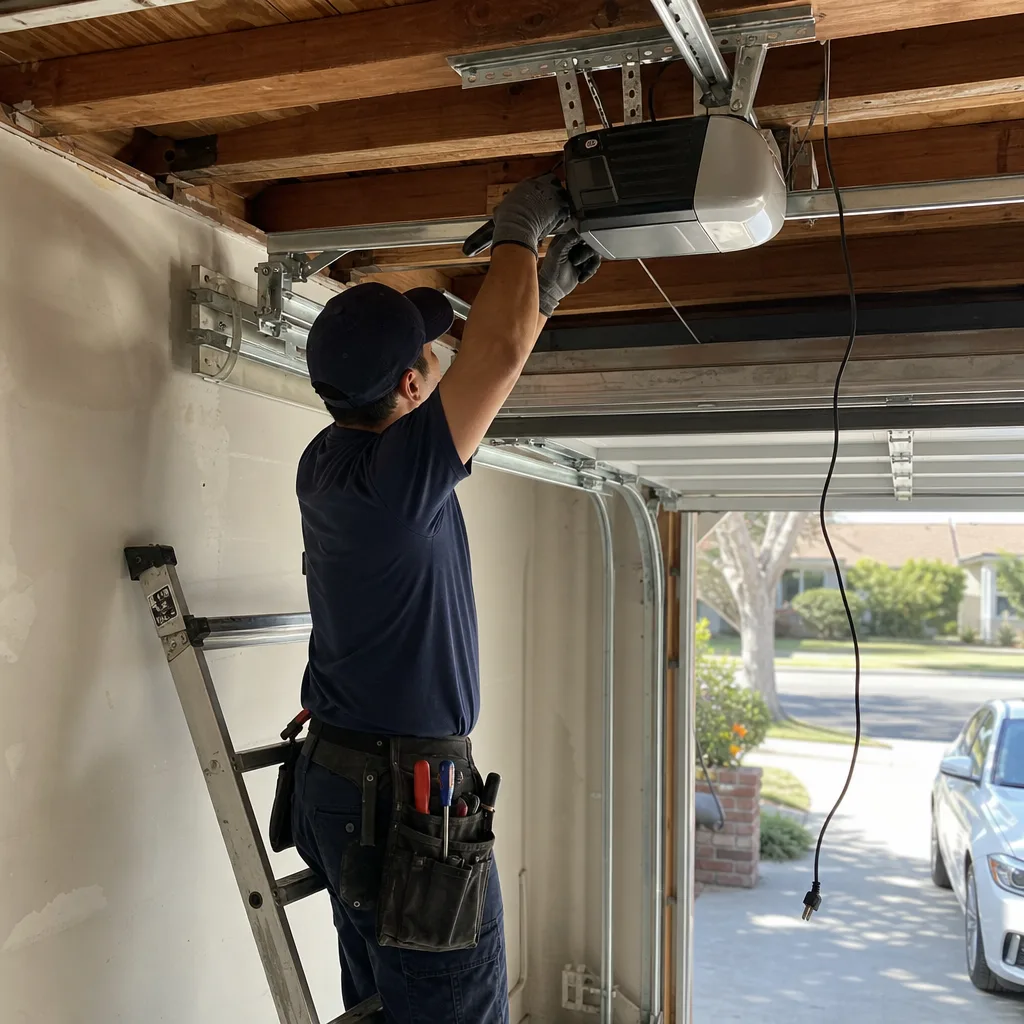
Last updated November 4, 2026
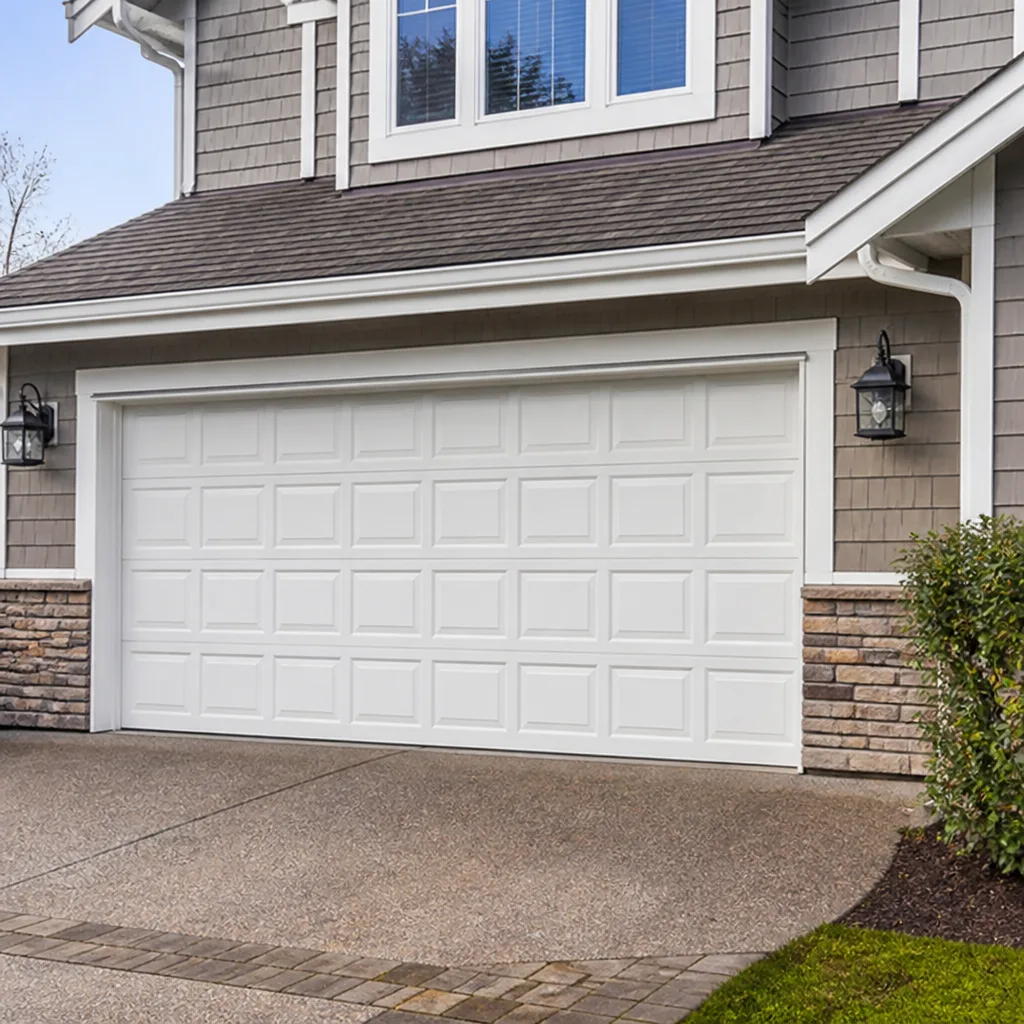 Raised-panel steel
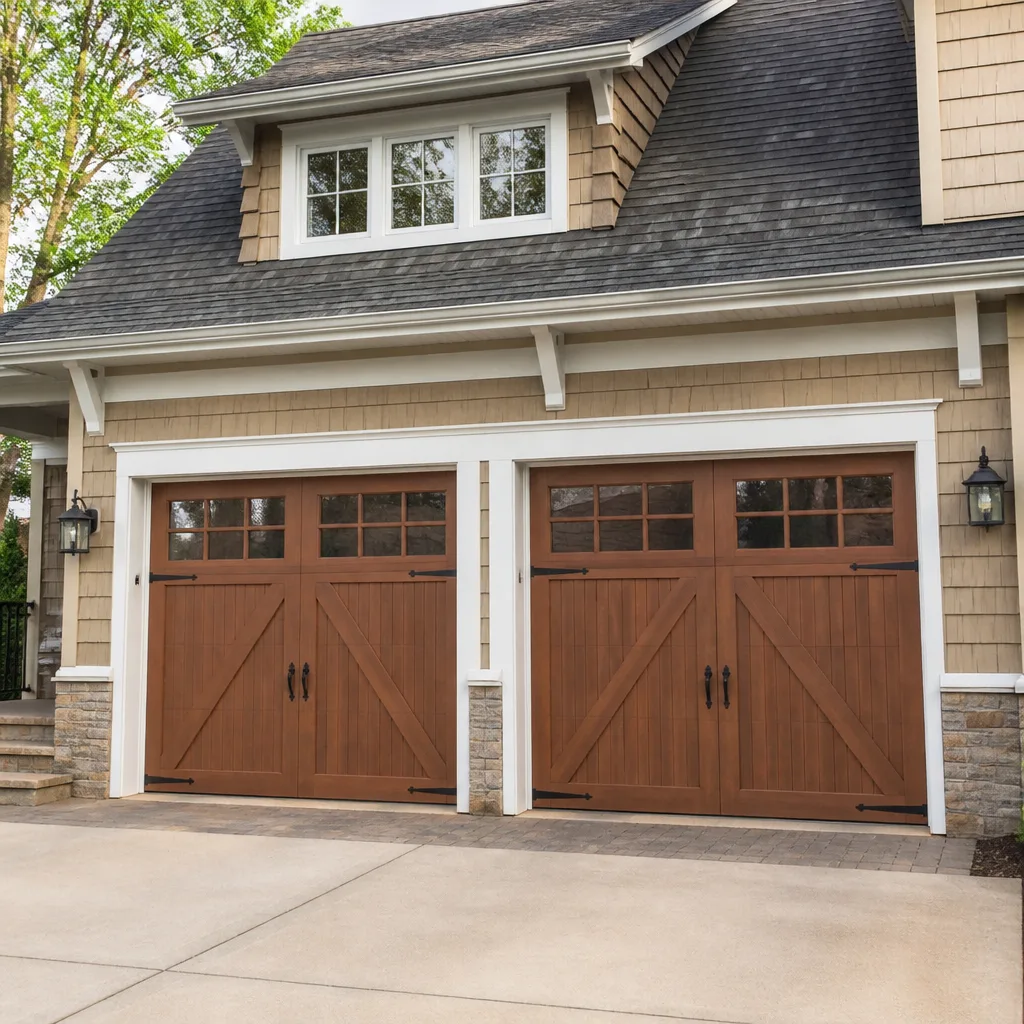 Carriage house
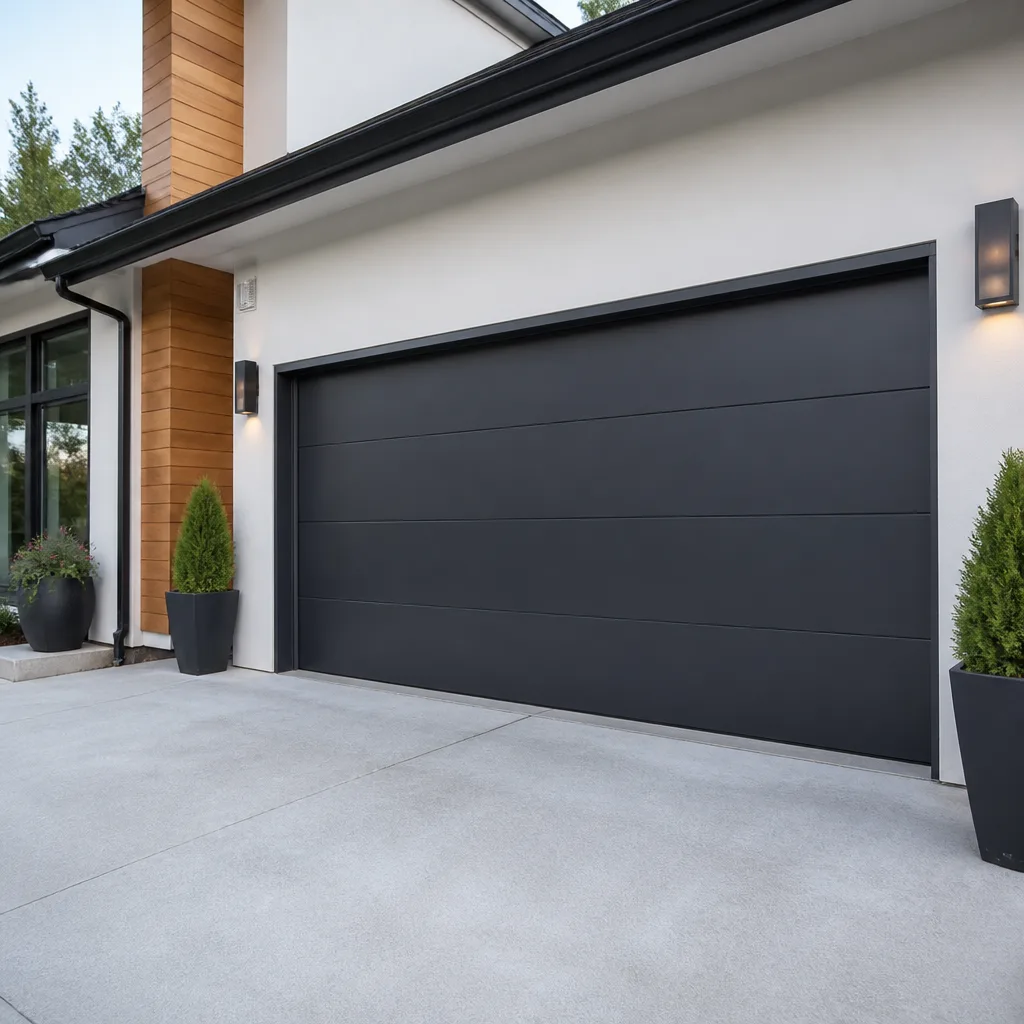 Modern flush
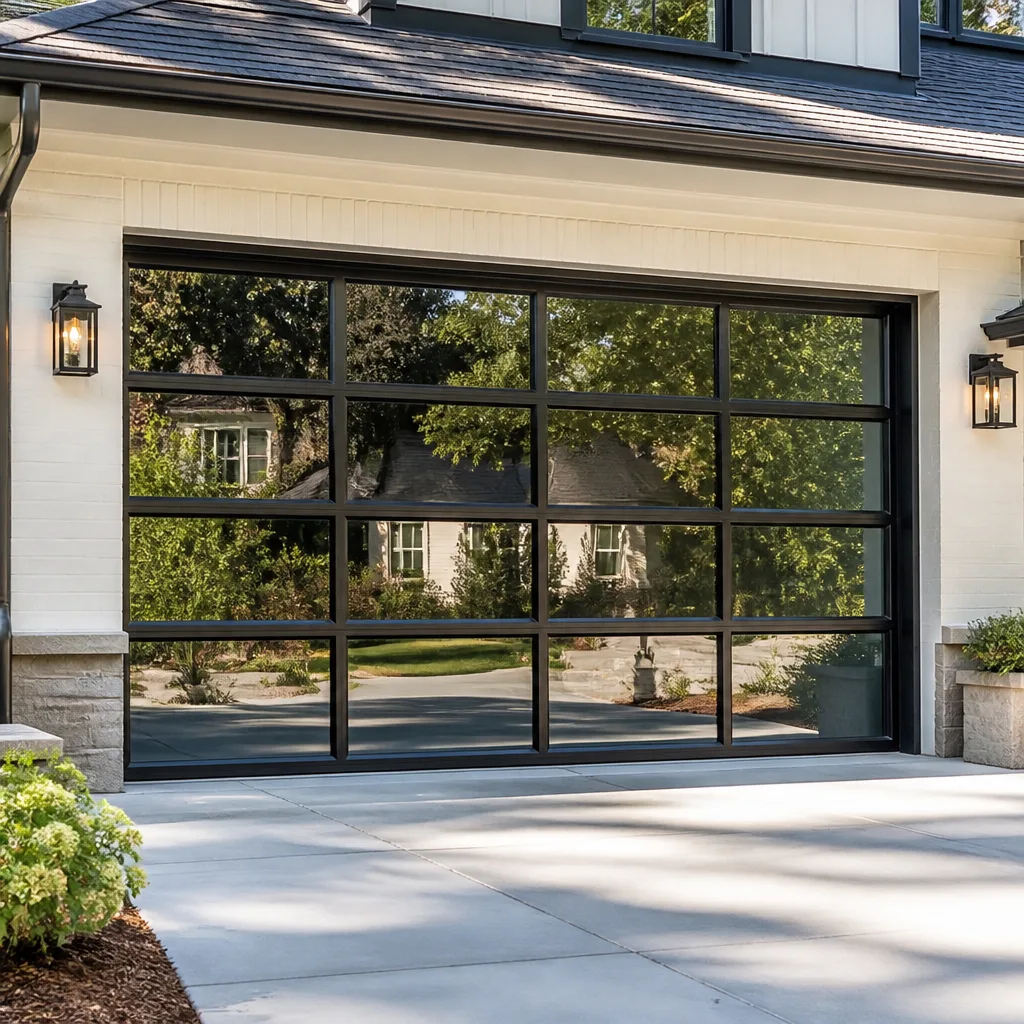 Full-view glass
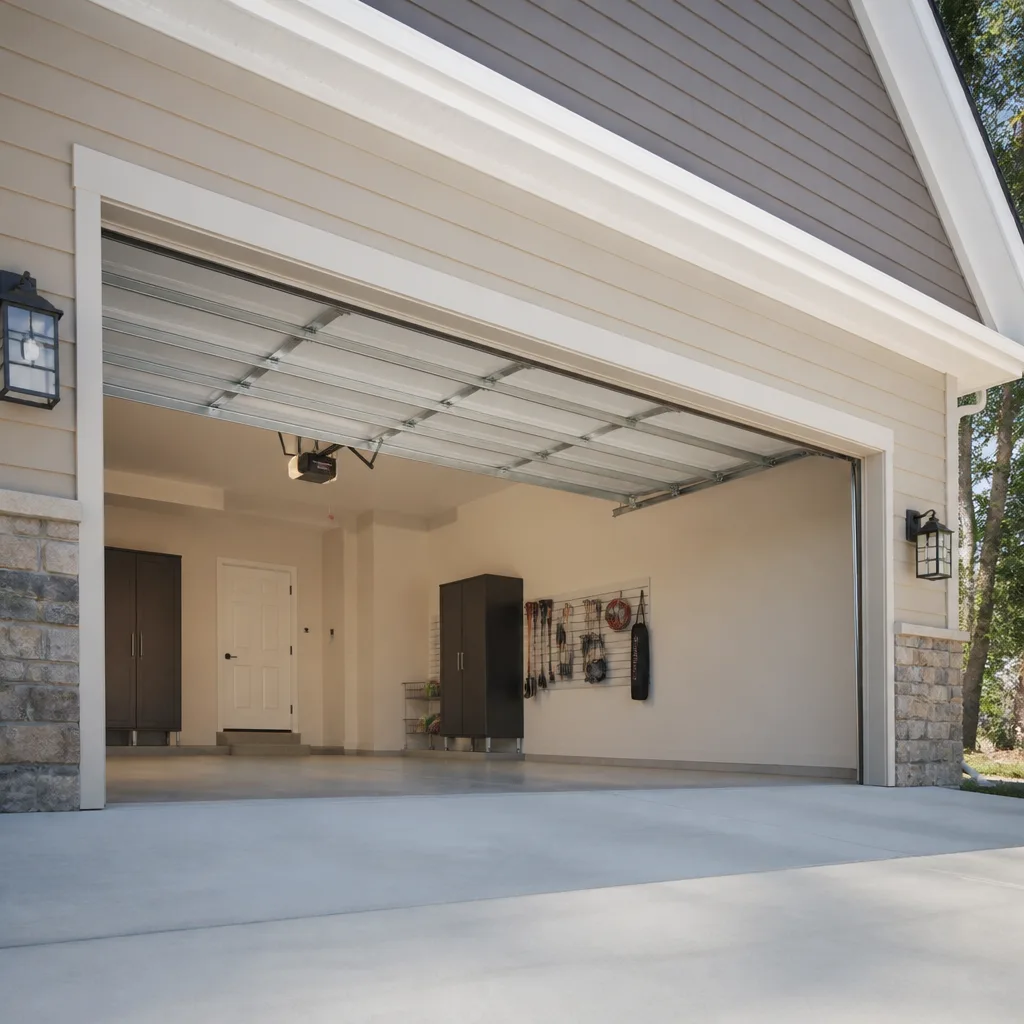 LiftMaster openers
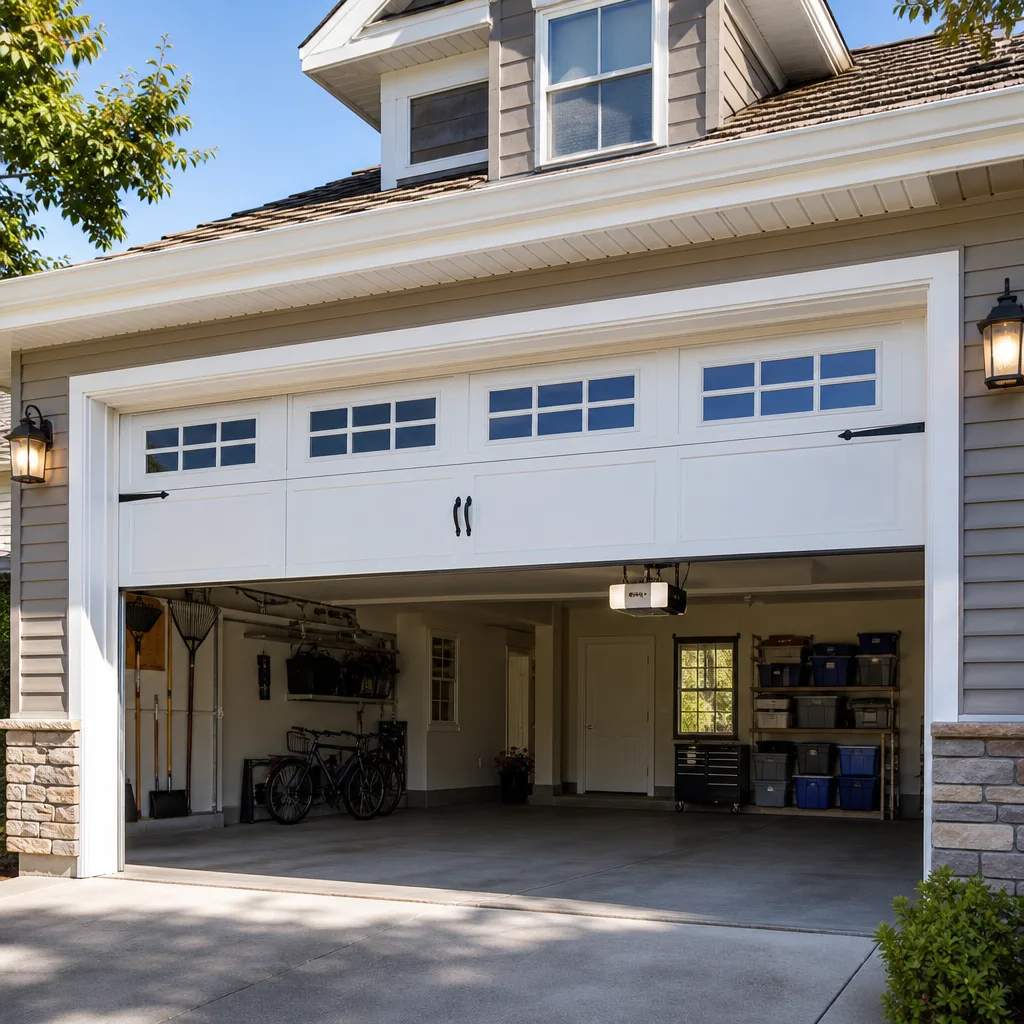 Chamberlain openers
Full 25-point door and opener safety check with every visit - springs, cables, rollers, tracks, and your LiftMaster or Chamberlain opener included
You get a price before we start. It does not change when the pro arrives.
Get your free estimateThe Complete Guide to Garage Doors in Garden Grove
Most garage door guides are written for climates with four seasons and wide driveways. Garden Grove has neither, and a lot of the advice floating around shows it. A door that performs beautifully through a Minnesota winter can sag, fade, and bind within a few years of Orange County sun and Garden Grove’s dense mid-century housing stock. This guide walks through every decision a Garden Grove homeowner actually faces: which materials hold up, which openers fit a tight garage, what your HOA will let you install, and when the city wants a permit involved. You’ll come away knowing what to buy, what to skip, and what to fix before it breaks.
Quick Answer
A garage door in Garden Grove should be chosen for heat, HOA rules, and the age of your home. Galvanized steel handles the local UV and temperature swings better than aluminum, belt-drive openers fit low-clearance mid-century garages better than chain-drive, and most replacement door work requires a permit through the City of Garden Grove’s building department. Raven Garage Door Repair installs and services doors and openers across Garden Grove, working on LiftMaster, Chamberlain, Genie, and Clopay equipment without steering you into a single brand just because it’s convenient for us.
Styles & brands we work with
- Raised-panel steel
- Carriage house
- Modern flush
- Full-view glass
- LiftMaster openers
- Chamberlain openers
Table of Contents
- Choosing the Right Door Material for Garden Grove’s Climate
- HOA Rules That Actually Affect Your Door
- Opener Formats for Mid-Century Garden Grove Garages
- The Brands You’ll See in Garden Grove
- Permit Triggers for Garden Grove Garage Door Work
- Maintenance That Prevents Most Repairs
- Signs Your Door or Opener Is Failing
- When to Repair vs. Replace
Choosing the Right Door Material for Garden Grove’s Climate
Garden Grove sits inland enough to avoid coastal fog, but not far enough to escape the sun. Summer temperatures regularly climb into the 90s, and UV exposure is relentless year-round. That changes how materials perform, and it’s the first place generic advice goes wrong.
Steel is the most common door material in Garden Grove, and for good reason. But the grade matters more than the material name. Galvanized steel doors with a baked-on finish resist the slow UV fading that bare aluminum panels develop within three to five years. Aluminum is lighter and won’t rust, but it dents easier and its finish fades under direct sun. Unless your garage faces north with full shade, galvanized steel outperforms aluminum in this climate. Wood doors exist in Garden Grove’s older custom homes, but they demand resealing every two to three years and they swell in the mild humidity shifts we get from the nearby coast. They’ll last, but they’re a maintenance commitment, not a set-and-forget purchase.
Insulation matters more for heat rejection than cold retention here. A door with an insulated core keeps the garage from becoming an oven in August, which matters if your garage doubles as storage or a workspace. It also dampens noise, a real factor when homes sit close together on Garden Grove’s tighter lots.
What to look for:
- Galvanized steel, minimum 24-gauge. Thinner 27- or 28-gauge panels dent from a stray bike handle.
- Factory-applied finish, not site-painted. Powder-coated finishes resist UV fading longer.
- Insulated core if the garage is attached or used as workspace. A non-insulated door on a south-facing garage turns the room above it noticeably warmer.
- Vinyl trim and weather seals. They handle sun exposure better than rubber, which cracks and shrinks within a few Garden Grove summers.
We replace a lot of aluminum doors that looked great for two years, then faded unevenly and started binding as the panels expanded. The homeowners didn’t buy a bad door; they bought a door designed for a different climate.
HOA Rules That Actually Affect Your Door
Garden Grove has a higher concentration of HOA-governed planned communities than most Orange County cities. Many of the tract neighborhoods east of Brookhurst and along the western edge of the city fall under active HOAs with architectural review committees. If you live in one, your door choice isn’t entirely yours, and ignoring that turns a simple replacement into a compliance fight.
Most Garden Grove HOAs restrict three things on garage doors: color, panel style, and hardware visibility. Color is usually restricted to earth tones or a specific palette that matches the tract’s original design. Panel style matters because a contemporary flush door can clash with a neighborhood of raised-panel mid-century doors and trigger a violation letter. Hardware visibility rules typically prohibit decorative iron hinges or handles that weren’t part of the original design language.
The practical steps, in order:
- Pull your HOA’s CC&Rs before you shop. The architectural section will name what’s allowed, sometimes down to specific paint colors.
- Submit an architectural request before installation, not after. Some HOAs process these in 30 days; waiting for a violation letter is slower and more expensive.
- Match the existing door’s panel profile when replacing. A flush door swapped into a raised-panel tract reads as out of place immediately, and your neighbors will notice.
- Confirm whether windows in the door need to match the home’s window grids. Some Garden Grove HOAs enforce this; many don’t, but it’s on the form for a reason.
A garage door repair that changes nothing visually rarely triggers HOA review. A full replacement almost always does if the community is governed. If you’re not sure whether your community has an active HOA, the City of Garden Grove can point you to the right documents, but your deed and title paperwork is the faster place to check.
Opener Formats for Mid-Century Garden Grove Garages
Garden Grove’s housing stock skews toward mid-century ranches and 1960s and 1970s tract homes. Those garages share a common feature: low ceilings and limited headroom above the door. That single detail dictates which opener format will fit without a fight.
Standard ceiling-mounted openers need about 8 to 12 inches of clearance above the raised door. Many older Garden Grove garages have less, especially where a low carport was converted into an enclosed garage decades ago. In those spaces, a wall-mount opener mounted beside the door, often called a jackshaft opener, is the right choice. It doesn’t hang from the ceiling, it’s quieter than a chain-drive, and it leaves the ceiling clear for storage or lighting. LiftMaster and Chamberlain both make wall-mount openers that integrate with smartphone controls.
For garages with standard ceiling height, a belt-drive opener is the better choice over chain-drive in Garden Grove. Belt drives are quieter, which matters when the garage sits directly beneath a bedroom, a common layout in two-story Garden Grove additions and newer builds. Chain drives work, but they transmit vibration through the ceiling joists, and the difference is audible at 6 a.m.
Opener specs to verify before purchase or repair:
- Headroom clearance: measure from the top of the opened door to the ceiling. Under 8 inches narrows your options.
- Drive type: belt for attached garages and bedrooms above; chain only when budget demands.
- Motor power: a double-wide door or a solid wood door needs at least a 3/4 horsepower motor, not the 1/2 horsepower units sold as entry-level.
- Smart integration: if the home has other connected devices, LiftMaster and Chamberlain openers with built-in myQ integration work without an external bridge.
We’ve seen garage door opener repair calls where the opener wasn’t actually broken. It was the wrong format for the garage, installed years ago by someone who grabbed whatever was on hand. Replacing the opener with the correct format fixed the recurring binding and grinding permanently.
The Brands You’ll See in Garden Grove
Garden Grove’s homes weren’t built by one developer, so there’s no single brand that dominates every street. But the market has a clear pattern. Original equipment in the older tracts tends toward Genie and Chamberlain openers, paired with whatever door the original builder installed. Newer replacements trend toward LiftMaster openers, which are widely installed by Orange County garage door companies because of their long parts availability and strong smart-home integration. Clopay doors show up frequently in replacement work, along with older Wayne Dalton doors in some of the 1980s and 1990s neighborhoods.
That brand mix matters for one reason: a Chamberlain opener paired with a Clopay door is a completely normal combination in Garden Grove. It’s not a mismatch. It’s not a problem. But a technician who only works on one brand will often blame the other brand for a problem that isn’t a brand issue at all. Spring failures, track misalignment, and sensor faults are mechanical problems that exist across every brand, and fixing them doesn’t require brand-specific parts in most cases.
What does require brand knowledge is opener electronics. Genie and Chamberlain use different logic boards and safety sensor protocols. LiftMaster’s smart systems use a different app architecture than Craftsman’s. When an opener is behaving erratically, knowing the brand’s failure patterns shortens the diagnosis from an hour of guessing to a few minutes of testing. That’s why Raven Garage Door Repair built its service model around working across brands rather than selling one.
Permit Triggers for Garden Grove Garage Door Work
California residential code is more prescriptive than most homeowners expect when it comes to garage doors, and Garden Grove enforces it. The biggest misconception we hear is that a like-for-like replacement needs no permit. In many cases, it does.
Garden Grove’s building department generally requires a permit when a garage door is replaced, because the door is part of the home’s structural envelope and its weight-bearing components tie into the framing. A repair that replaces springs, cables, rollers, or an opener typically does not require a permit, because those are maintenance items, not structural changes. However, any replacement that changes the door’s weight, size, or method of attachment does.
The practical questions to ask the city’s building department before starting:
- Does my replacement door need a structural permit, or is it classified as like-for-like maintenance?
- Does the door’s wind-load rating need to meet current California code rather than the code from when the home was built?
- If I’m adding windows to a door, does the glazing need to meet any safety standard?
- Does my opener installation require an electrical permit if I’m adding a new outlet for a wall-mount unit?
If you’re working with a Raven Garage Door Repair technician, we’ll flag which permits are likely required for your specific job before any work starts. What the city ultimately requires is their call, and the written estimate sets the final price once the permit question is answered. The permit itself is handled by the homeowner or by a contractor authorized to pull it, depending on the scope.
Maintenance That Prevents Most Repairs
Most garage door failures in Garden Grove don’t happen suddenly. They develop over years of slow wear that goes unnoticed because the door still opens and closes. The homeowners who call us for spring replacements are almost never the homeowners who lubed their door twice a year and checked the balance once a season.
The maintenance that matters, in priority order:
- Lubricate every moving metal part twice a year. Springs, hinges, rollers, and the opener rail. Use a garage door specific spray lube, not WD-40, which displaces the heavier lubricant the parts need.
- Inspect the springs and cables monthly. Look for rust, fraying, or gaps in the spring coil. A spring with visible rust is not a future problem; it’s a countdown.
- Test the balance every season. Pull the release handle with the door closed, then lift the door about halfway. It should stay put. If it drops, the spring tension is wrong and the opener is working against extra weight.
- Clean the safety sensors every couple months. Garden Grove’s dry air means dust builds up on sensor lenses. A quick wipe prevents the door from reversing for no reason.
- Listen for new sounds. A grinding noise that wasn’t there before is usually a failing roller bearing. A smooth door is a healthy door.
None of this takes more than fifteen minutes a season. Skipping it is how a $30 roller replacement turns into a $300 opener motor failure, because the opener burned out working against resistance it was never designed to overcome.
Signs Your Door or Opener Is Failing
Some failures announce themselves. A spring snaps and the door won’t open. That’s obvious. But most failures in Garden Grove garages show up as smaller symptoms first, and homeowners wait because the door still works. That waiting is what turns a simple repair into a replacement.
Signs that mean something is wrong right now:
- The door opens slower than it did six months ago. The opener is straining. The cause is usually spring fatigue or a roller seizing up.
- One side of the door sits higher than the other when closed. A cable is wearing or a spring is losing tension unevenly.
- The opener runs but the door doesn’t move. The drive gear has stripped, a common failure on older Genie and Chamberlain units.
- You hear a bang from the garage and the door won’t open. A torsion spring has broken. Do not try to open the door manually; the remaining spring can’t handle the weight.
- The door reverses immediately after touching the floor. The close-force setting is wrong or the limit switch has drifted.
- The remote works from outside the garage but not inside the house. This is often radio interference from LED bulbs, a known issue on newer LiftMaster and Genie systems.
If the door itself is off its tracks or a spring is broken, leave it alone. A garage door under spring tension stores enough energy to cause serious injury. The door is your home’s largest moving part, and the springs are what make that weight feel light. When they fail, the force doesn’t disappear; it just has nowhere controlled to go. A trained professional can release that tension safely.
For everything else, the diagnostic question is simple: is the problem getting worse? A door that’s been grinding for two weeks is a repair you can schedule. A door that’s been grinding for six months is a repair that’s about to become a replacement.
When to Repair vs. Replace
The repair-versus-replace decision in Garden Grove comes down to three factors: the door’s age, the cost of the failing part relative to the door’s remaining life, and whether the door still matches your home and HOA. Here’s the framework we use when a homeowner asks us to be straight with them.
Repair makes sense when:
- The door is under 15 years old and structurally sound.
- The failure is a spring, cable, roller, or opener, all of which are wear items designed to be replaced.
- The panel damage is isolated to one section.
- The door’s appearance still works for you and your HOA.
Replacement makes more sense when:
- The door is over 20 years old and multiple systems are wearing at once.
- Rust has penetrated the panels, not just the hardware.
- The door’s insulation value is nonexistent and you want to change that.
- You want windows, a different panel profile, or a new material, and the HOA will approve it.
Cost is part of the equation, but it’s not the first thing to look at. A $200 spring replacement on a door that’ll give you another eight years is the right call. A $600 panel replacement on a 25-year-old door with failing rollers and a weak opener is spending money to delay the inevitable by two years. We’d rather tell you that upfront than take the repair and see you again in eighteen months.
Common Mistakes to Avoid
- Buying the cheapest door without checking the HOA first. The savings disappears when the architectural committee rejects the door and you have to replace it again.
- Choosing aluminum because it’s light. In Garden Grove’s sun, aluminum fades and dents faster than galvanized steel. Light weight isn’t worth the trade.
- Putting a chain-drive opener in a garage under a bedroom. You’ll hear it every morning, and so will everyone upstairs. Belt-drive is the right default in attached garages.
- Ignoring a slow-opening door. The motor is working against failing springs or rollers. The longer you wait, the more the motor wears.
- Lubricating with WD-40. It cleans, but it doesn’t lubricate garage door components. The right lube takes the same amount of time and actually extends part life.
- Skipping the permit on a replacement. Garden Grove does enforce garage door permits. Unpermitted work becomes a problem at resale, and it can void the door manufacturer’s warranty.
- Mixing a wall-mount opener with a standard door without checking compatibility. Wall-mount openers require specific drum and cable setups. Not every door accepts one without modification.
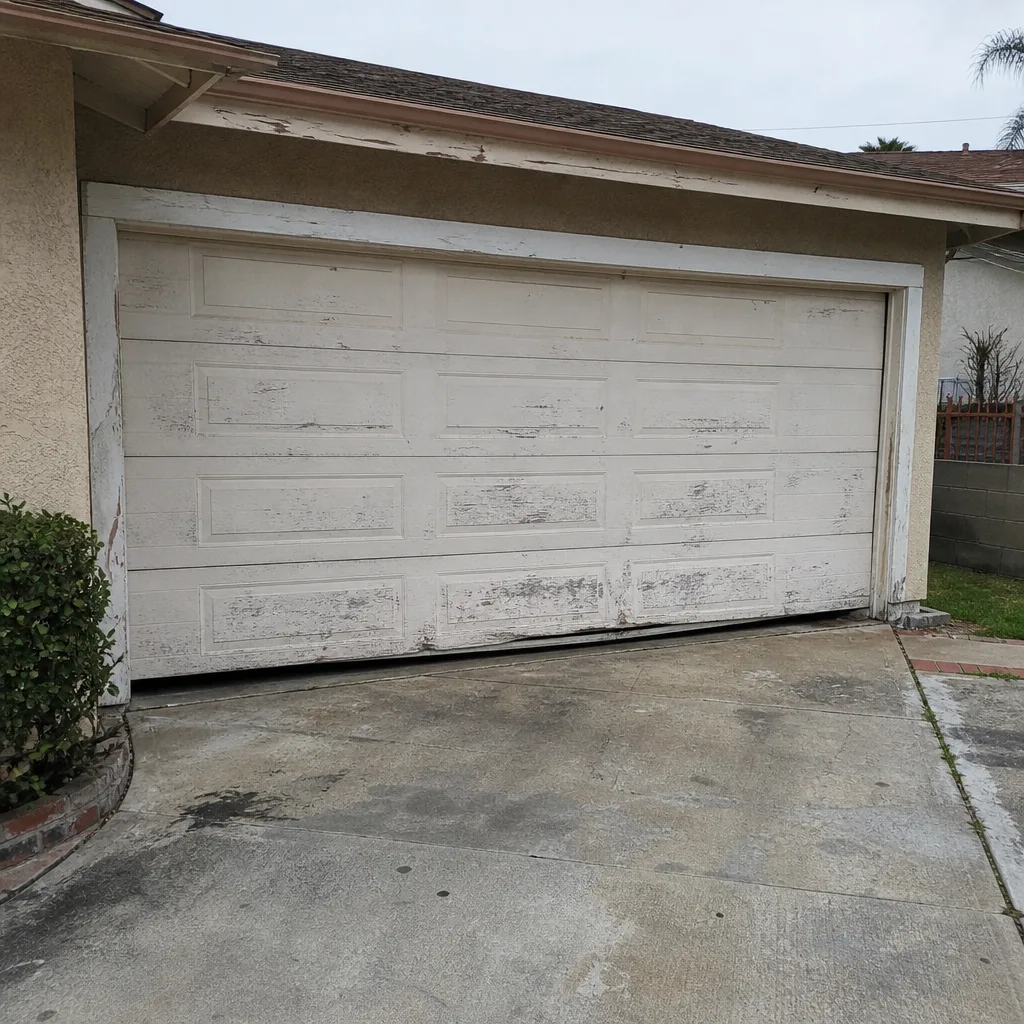
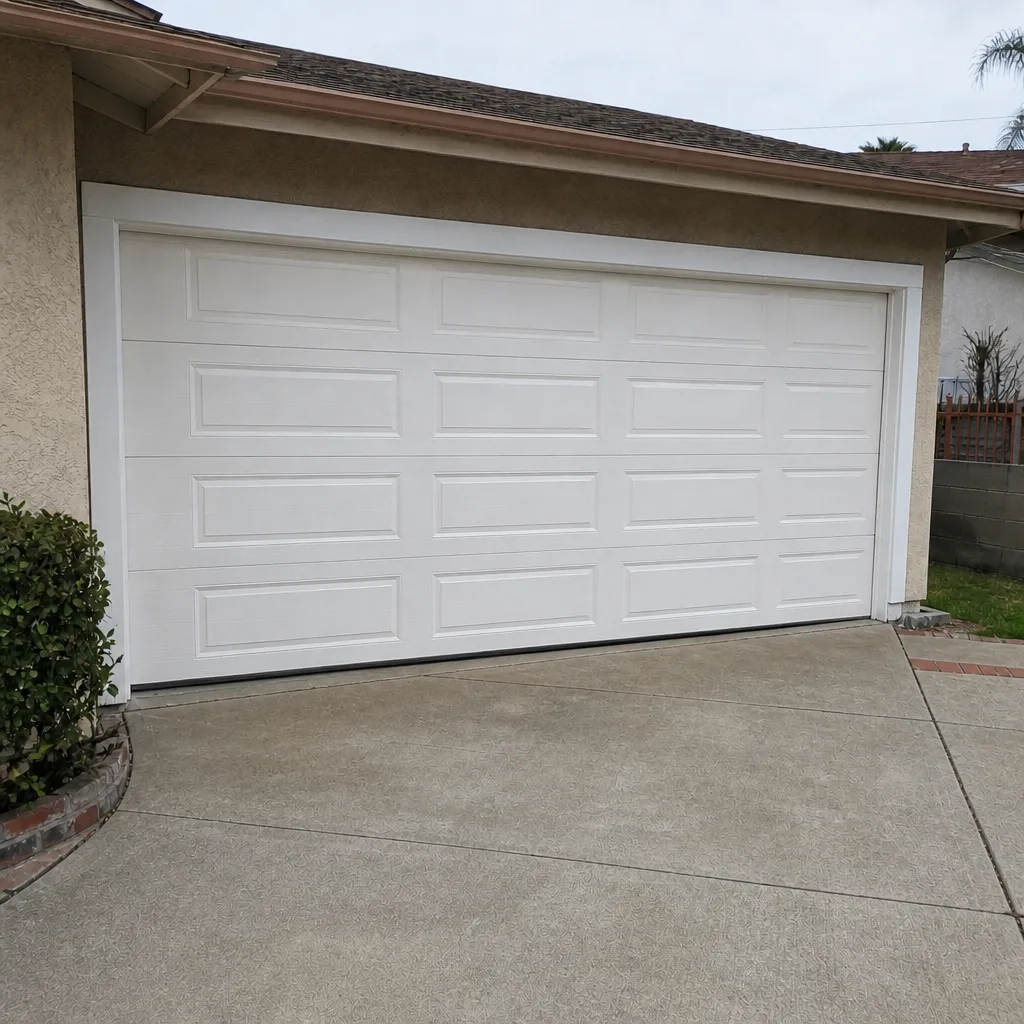
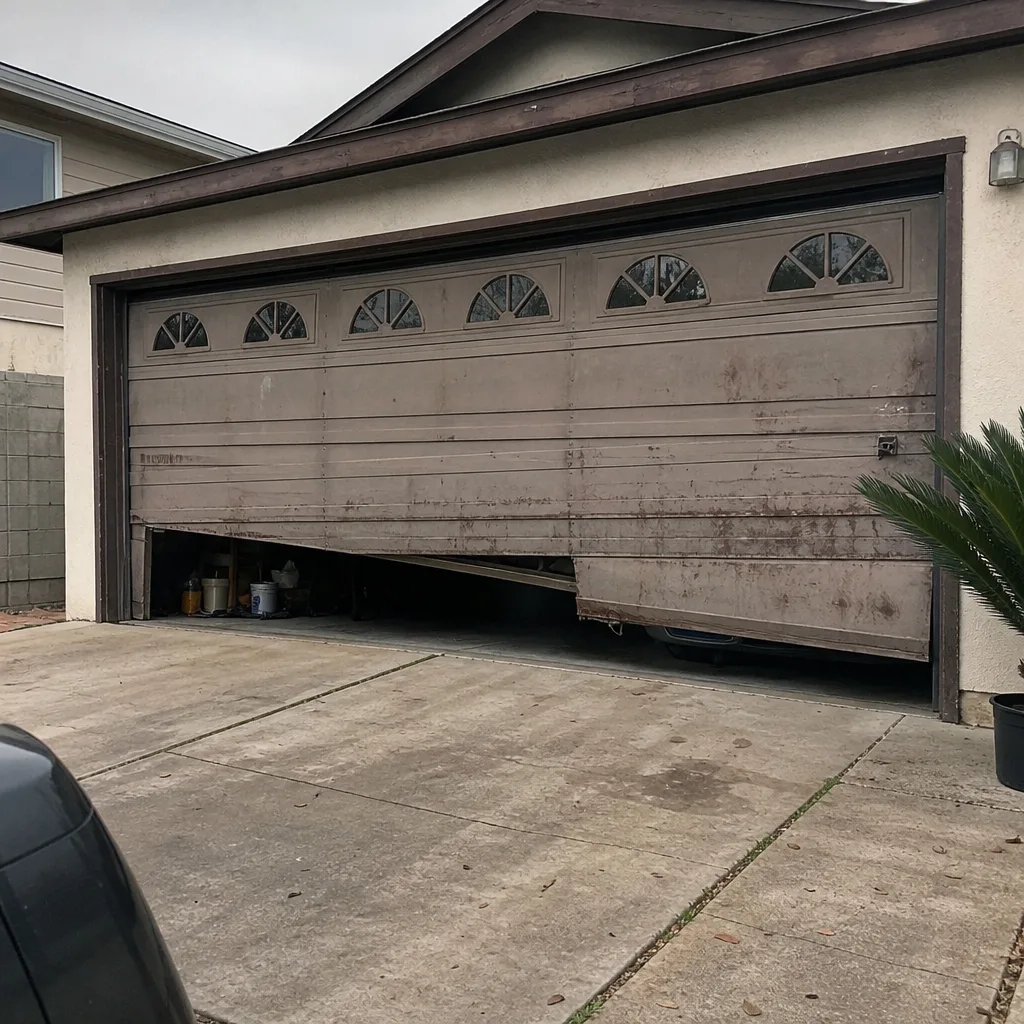
See the difference
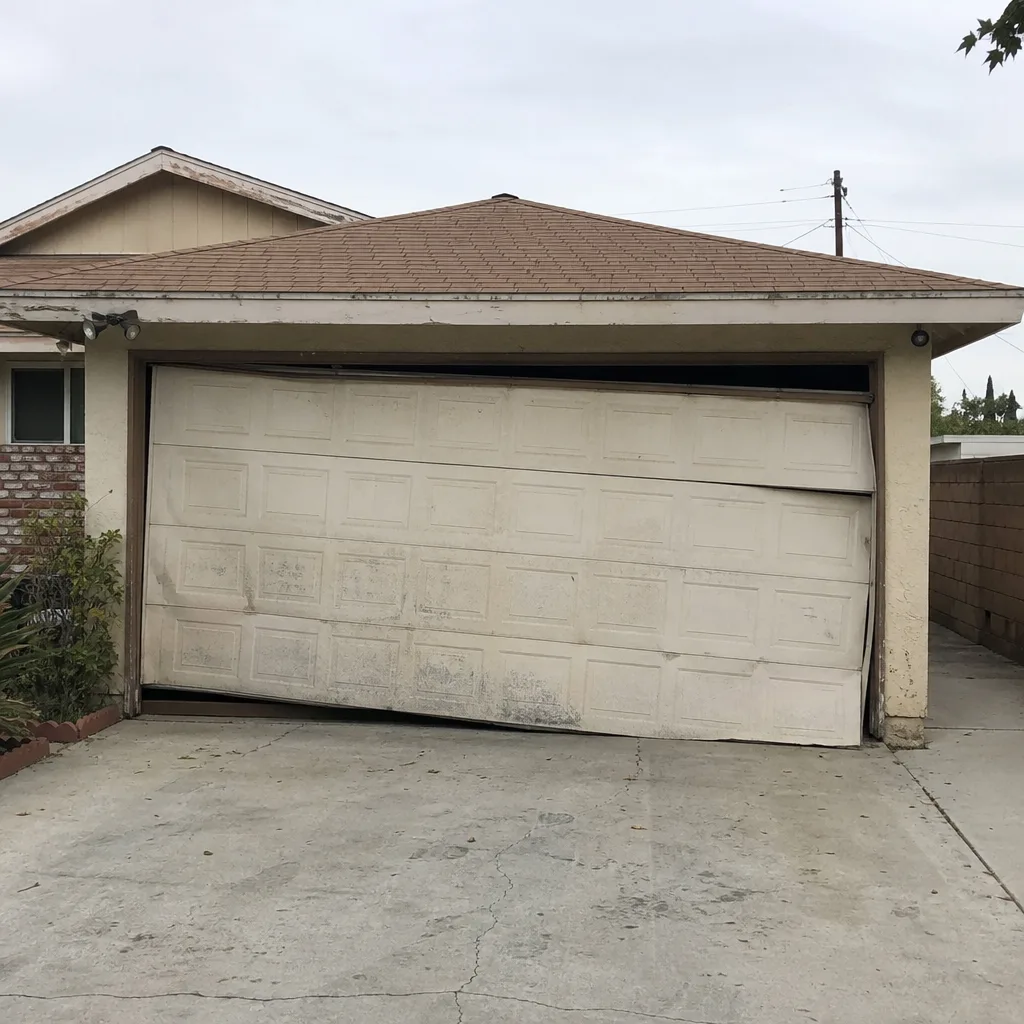 Before
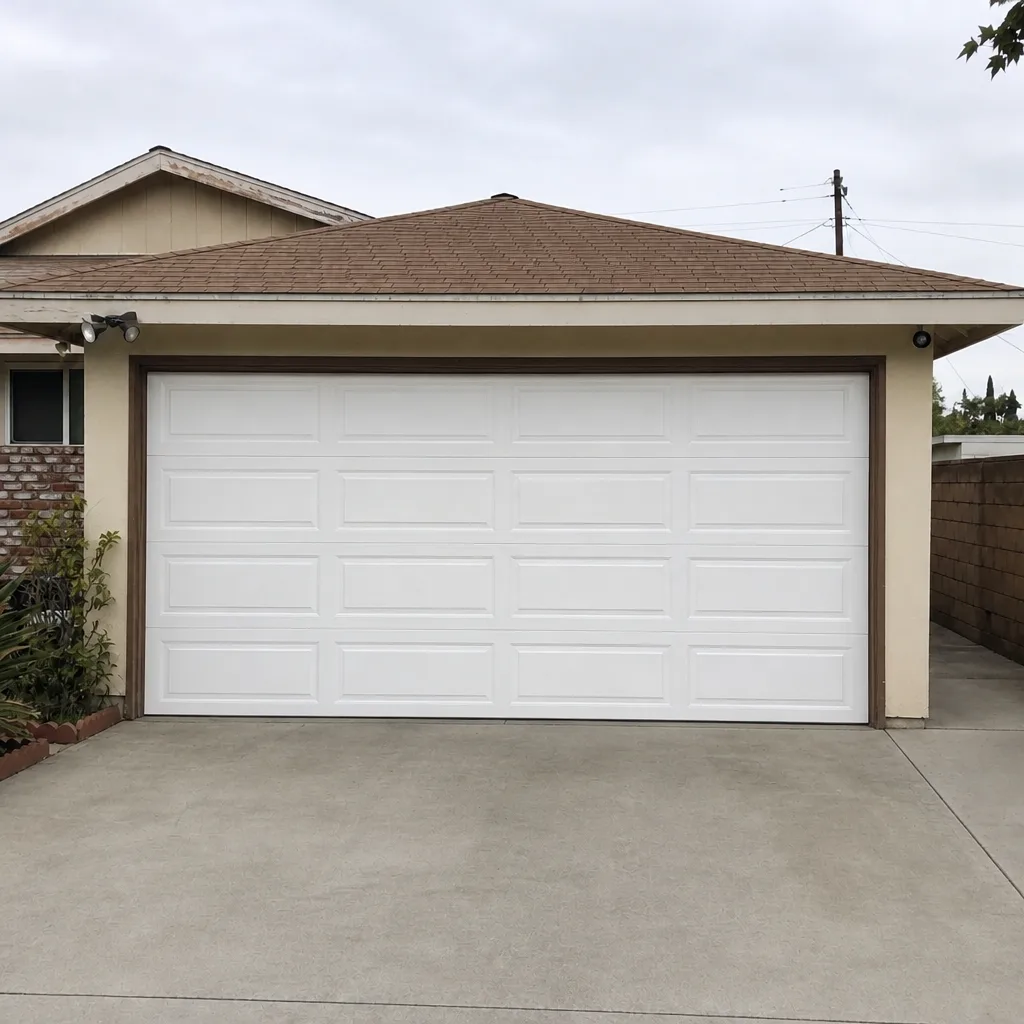 After
 Before
 After
 Before
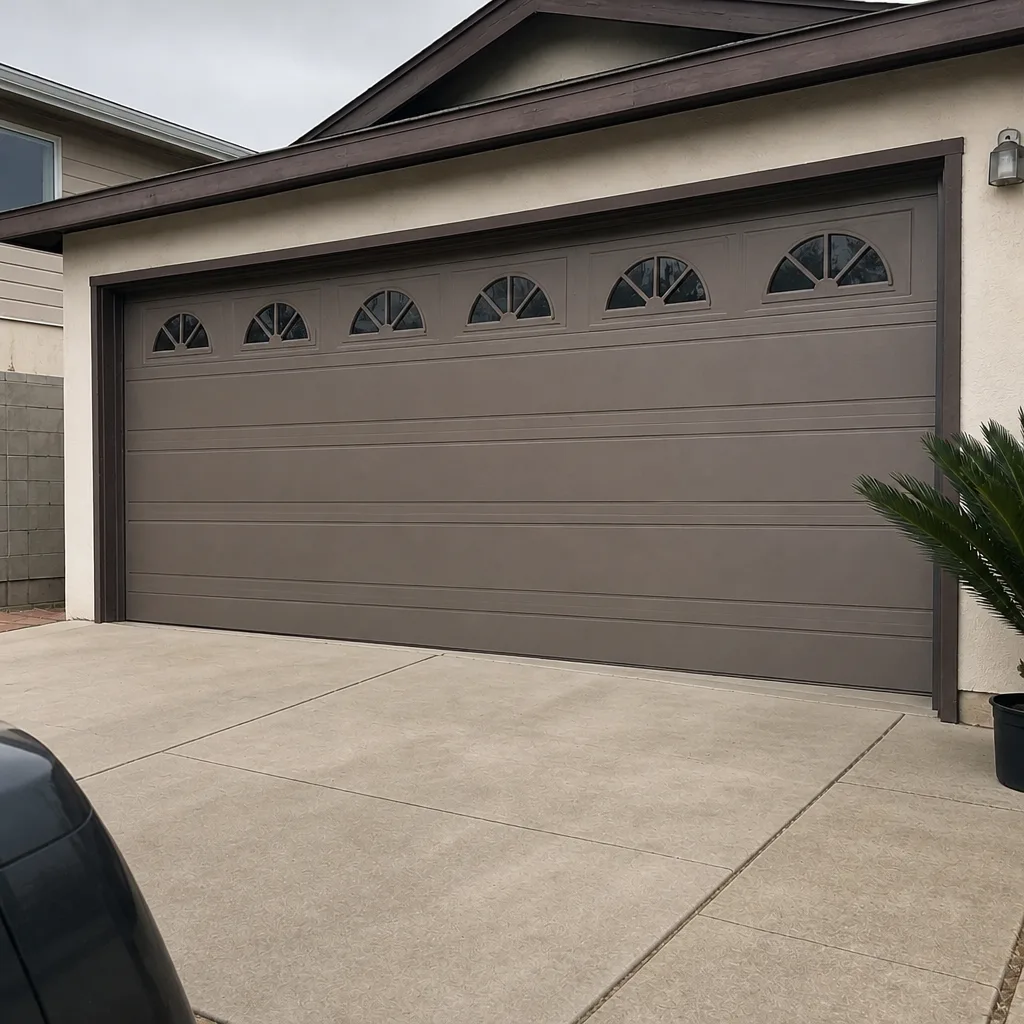 After
When to Call a Professional
If a spring is broken, cables are frayed, or the door is off its tracks, do not attempt the repair yourself. These components are under high tension, and the margin for error is measured in inches and milliseconds. If the opener is making a grinding noise, running without moving the door, or the door is visibly uneven, those are also signs to stop using the door and call someone who diagnoses rather than guesses. We would rather spend twenty minutes identifying a $30 roller failure than watch you replace a $300 circuit board on a guess. Raven Garage Door Repair offers free estimates in Garden Grove. Call (866) 616-5011. We answer 24/7. Fast dispatch from 7am to 7pm, Sunday through Friday.
Frequently Asked Questions
Most garage door repairs in Garden Grove run between $150 and $400, with spring replacement typically landing in the $180 to $340 range per spring. Opener motor replacement runs higher, usually $300 to $600 depending on the brand and drive type. Your written estimate sets the final price before any work starts. Call (866) 616-5011 for an exact quote. Estimates are free.
If your community has an active HOA, yes, in most cases you do. Garden Grove has many HOA-governed planned communities, and most restrict door color, panel style, and visible hardware. Check your CC&Rs and submit an architectural request before installation.
In most cases, yes. Wall-mount openers are actually the better fit for many mid-century Garden Grove garages with low headroom. The door and track setup needs to be compatible, and not every door accepts the modification without a drum and cable swap, so have a technician verify before you buy the unit.
A belt-drive opener is the quietest standard option for an attached garage in Garden Grove. Chain drives transmit vibration through the ceiling, which matters when a bedroom sits above the garage. Wall-mount openers are also very quiet and free up ceiling space.
Lubricate springs, hinges, and rollers twice a year. Inspect springs and cables monthly for rust or fraying, test the door balance every season, and clean the safety sensors every couple of months. The dry, dusty conditions in Garden Grove mean sensor lenses and moving parts accumulate grime faster than in wetter climates.
No. When we give you a written estimate for garage door repair in Garden Grove, that number is set before any work begins. If we find something unexpected during the repair, we stop and talk to you before doing anything that changes the scope or price. Call (866) 616-5011 and we’ll walk you through the pricing on the phone before anyone hops in a truck.
The Bottom Line
A garage door in Garden Grove is not a generic purchase, and the guides that treat it as one are why so many local homeowners end up with doors that fade, openers that grind, and HOAs that send letters. Door material should be chosen for sun and heat, not national averages. Opener format should follow the garage’s ceiling, not the store’s sale rack. Permits should be checked before the old door comes off. And when something breaks, the fix should be diagnosed, not guessed. Whether you need a repair, an opener swap, or a full replacement, start with a call: (866) 616-5011. We answer 24/7. Fast dispatch from 7am to 7pm, Sunday through Friday.
Written by the team at Raven Garage Door Repair, serving Garden Grove.