
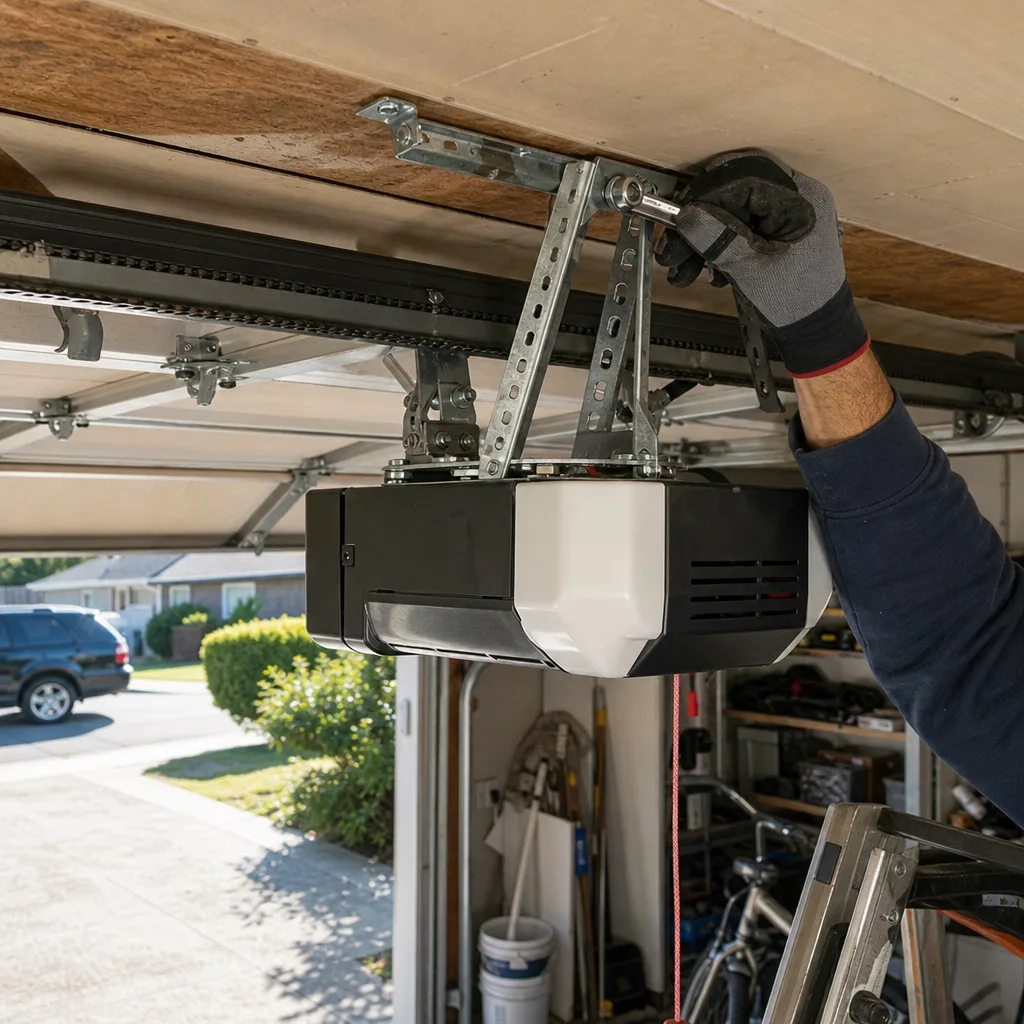
Last updated November 4, 2026
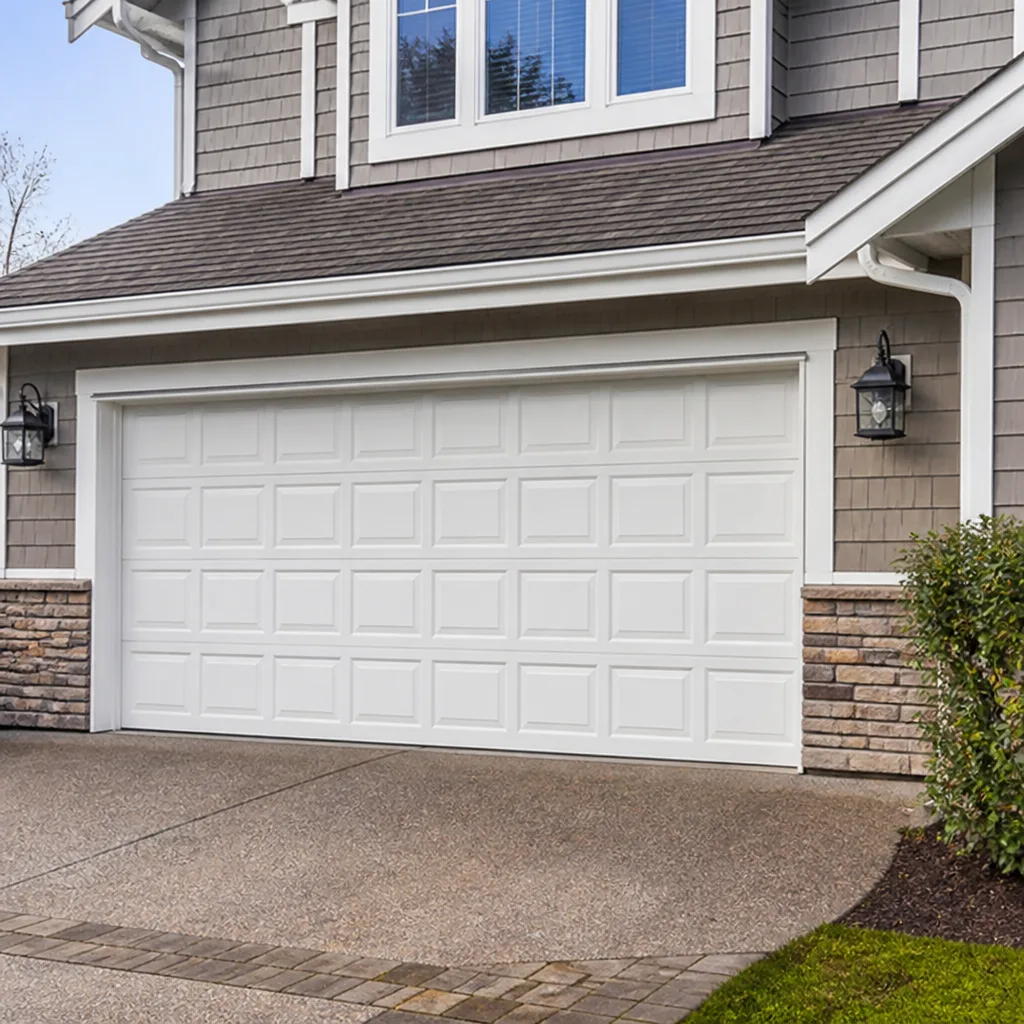 Raised-panel steel
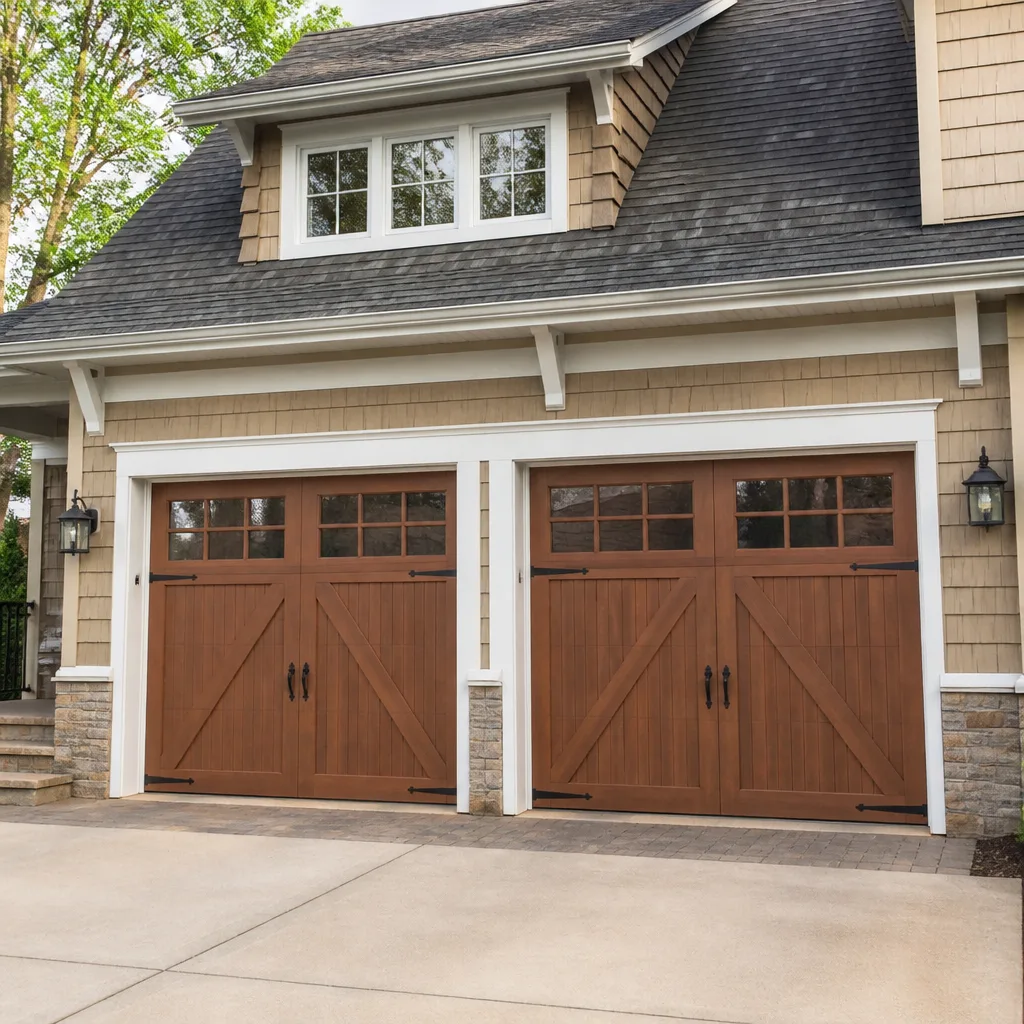 Carriage house
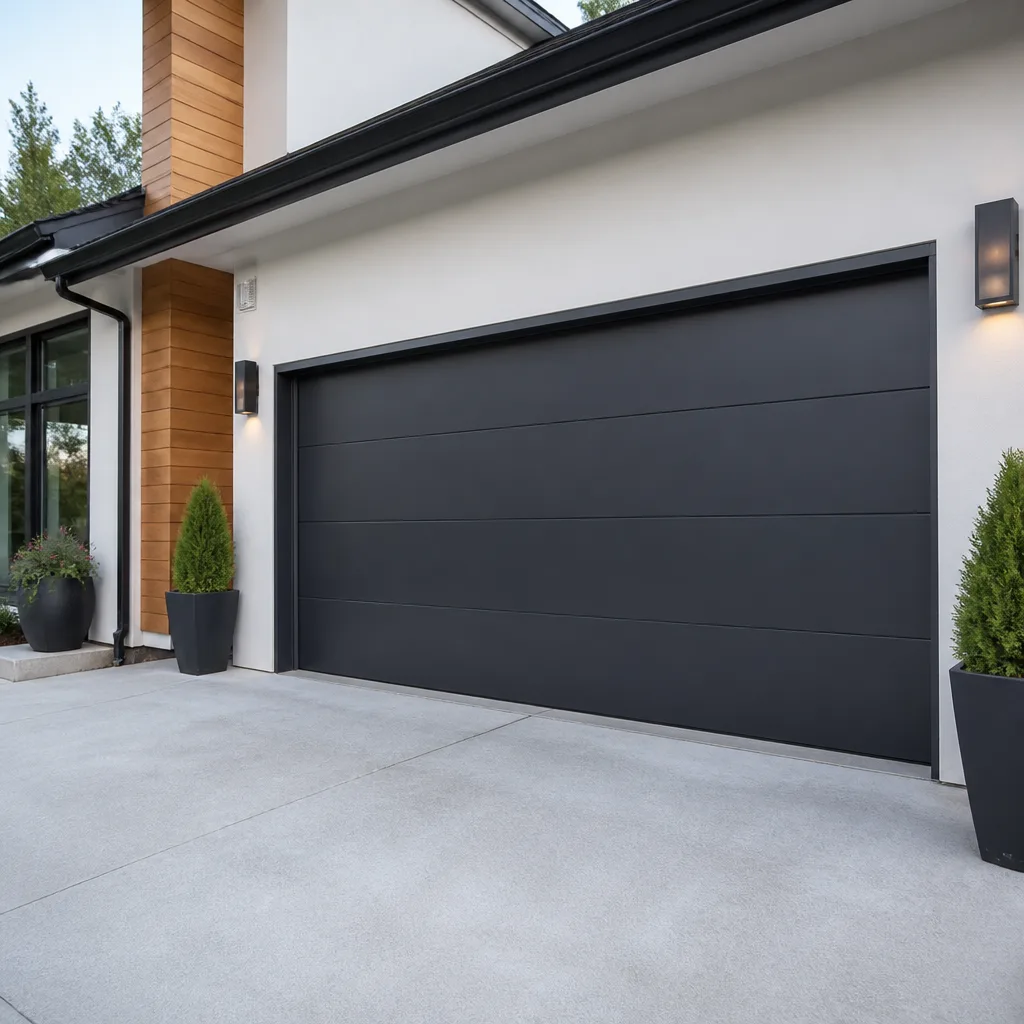 Modern flush
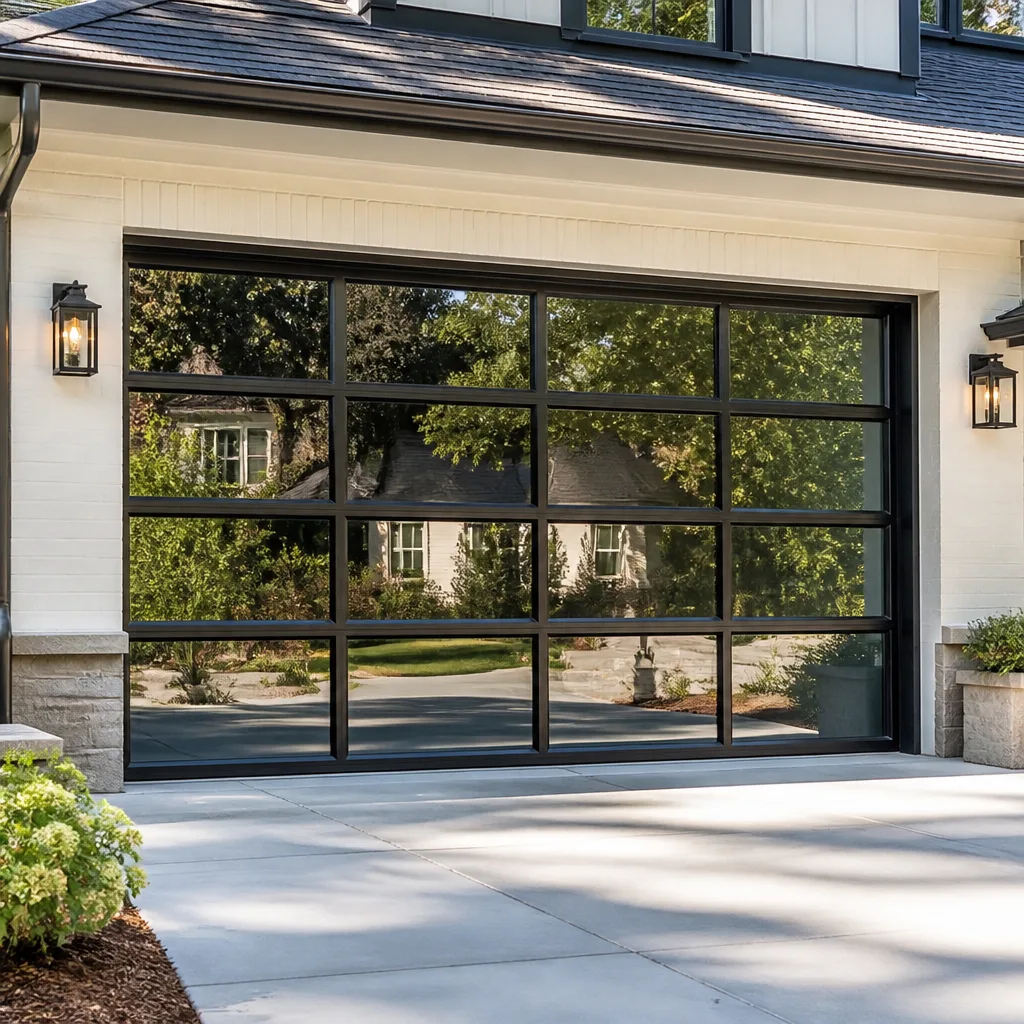 Full-view glass
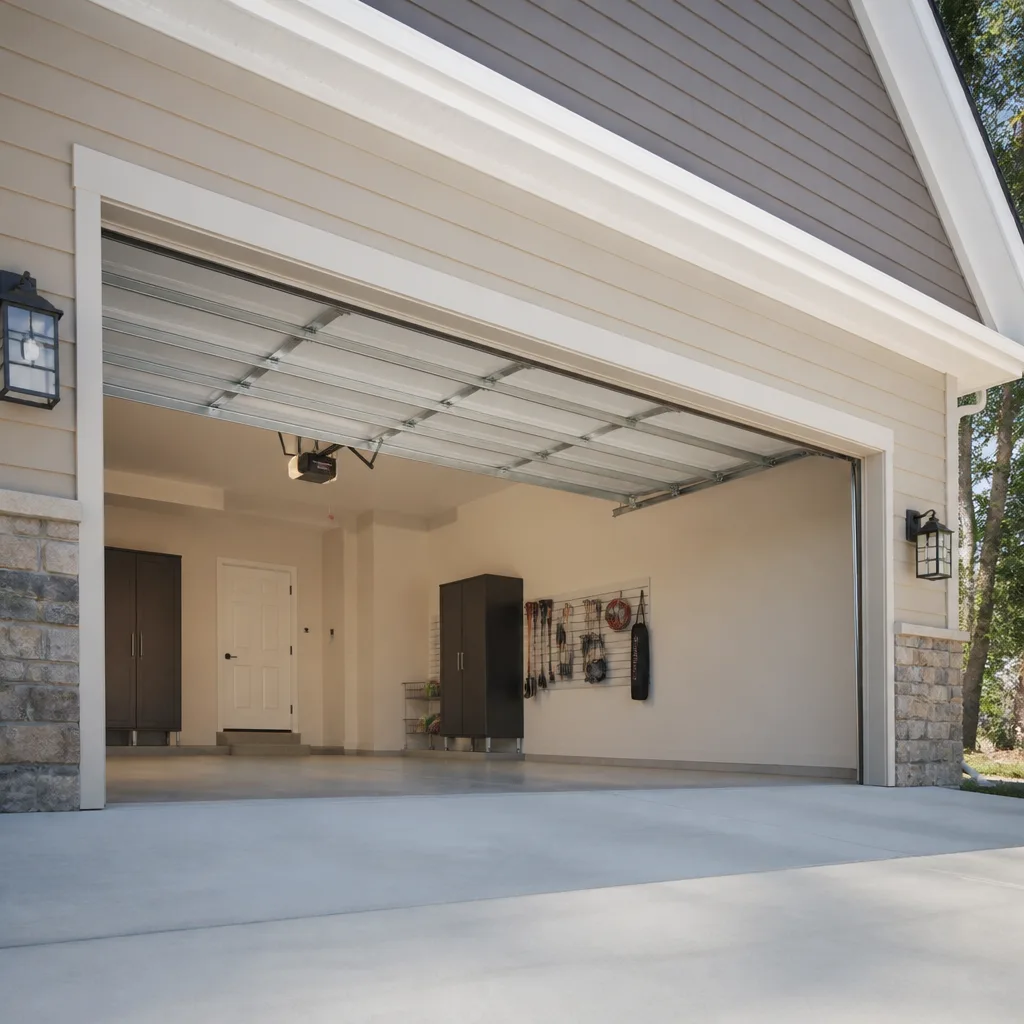 LiftMaster openers
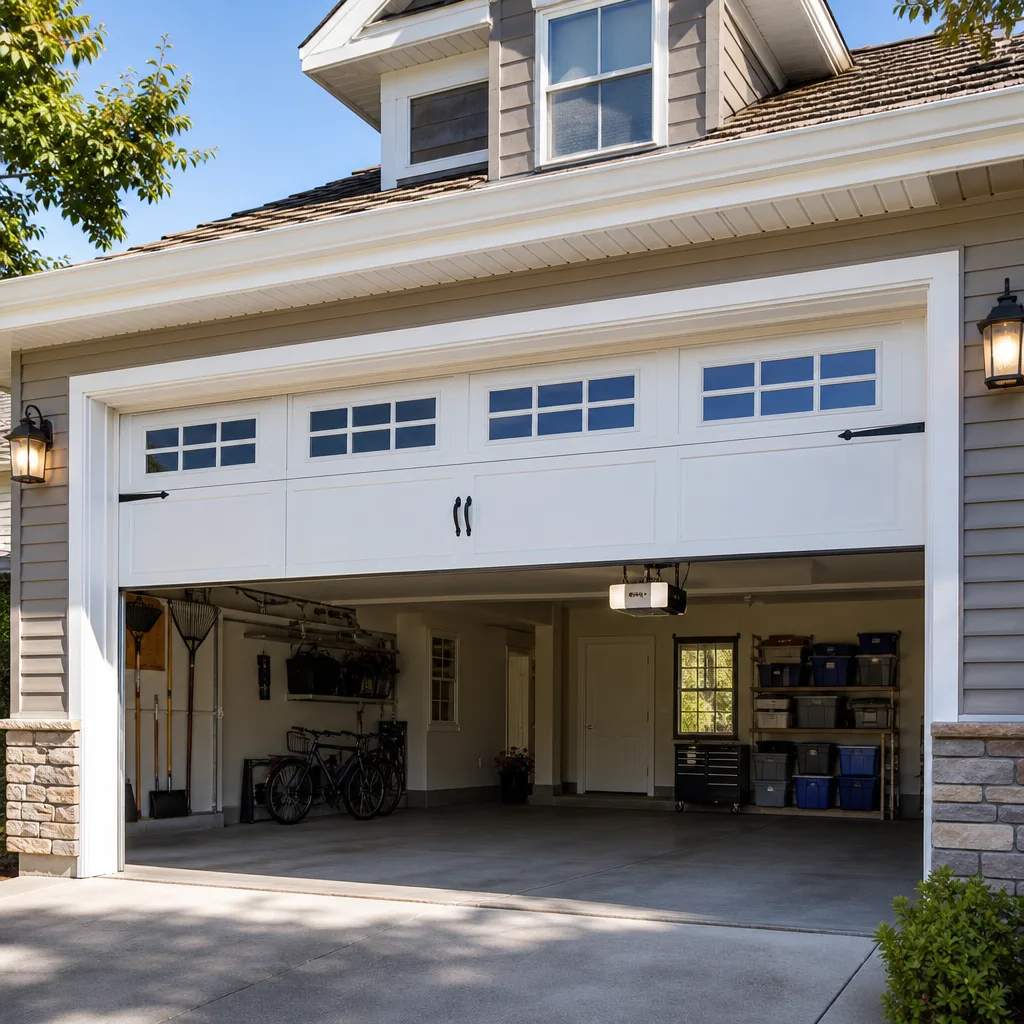 Chamberlain openers
Full 25-point door and opener safety check with every visit - springs, cables, rollers, tracks, and your LiftMaster or Chamberlain opener included
You get a price before we start. It does not change when the pro arrives.
Get your free estimateChoosing the Right Garage Door Brand: A Buyer’s Guide for Garden Grove
The brand ranked highest in a national consumer survey may be the hardest one to service in Garden Grove. That’s not a knock on the brand itself. It’s a reality of distribution networks, local parts stock, and the service ecosystem that actually exists in Orange County. A national list doesn’t know that a common tension spring for one respected manufacturer sits in a warehouse two states away while an equivalent part for another brand is on a shelf in Santa Ana. This guide will break down what actually matters when choosing a garage door brand here: parts availability, material performance in our climate, opener compatibility, and the fine print that most buyers never read until a repair reveals it.
Styles & brands we work with
- Raised-panel steel
- Carriage house
- Modern flush
- Full-view glass
- LiftMaster openers
- Chamberlain openers
Quick Answer
The best garage door brand for a Garden Grove home depends less on the logo and more on how easily that brand is serviced, stocked, and supported in Orange County. For most homeowners, a Clopay or Amarr door with standard hardware combines good steel specs, strong local parts access, and warranty support that doesn’t handcuff you to one dealer. Pair it with a LiftMaster or Chamberlain opener, both of which have deep service networks in Southern California, and you’ve matched the brand to the market rather than to a commercial.
Table of Contents
- Parts Availability by Brand in the Orange County Market
- How Garden Grove’s Climate Should Shape Your Material Choice
- The Opener Ecosystem: Why Your Panel Brand Constrains Your Opener Choices
- Warranty Realities: What California UV and Air Conditions Actually Do
- The Brand Loyalty Trap: Know the Name, Not the Spec
- How to Evaluate a Garage Door Quote in Garden Grove
- Common Mistakes to Avoid
- When to Call a Professional
- Frequently Asked Questions
- The Bottom Line
Parts Availability by Brand in the Orange County Market
Parts availability is the unglamorous factor that determines whether your repair takes a morning or a week. In Garden Grove, the difference is concrete. Clopay and Amarr have multiple distribution points feeding Orange County, which means common components like panels, hinges, and spring hardware often ship same-week. Wayne Dalton also maintains a solid supply chain here, though certain custom colors and door models can add a few days. Raynor distributes through regional suppliers, so standard parts are usually accessible, but less common models may require order-and-wait.
Chamberlain and LiftMaster, both part of the same parent group, have the deepest opener parts presence in Southern California. Circuit boards, gear assemblies, and safety sensors for these brands are regularly stocked by local suppliers. Genie parts are also available, but in our experience, certain Genie models from the mid-2010s have longer lead times on proprietary drive components.
Here’s what this means practically. Before you buy a door, ask one question: if something fails in year seven, can the shop down the street get the part this week? If the answer is a 5-to-10 day lead time, your garage becomes a daily headache. That’s why we’ve built Raven Garage Door Repair around service across multiple brands rather than loyalty to one. The brand that wins on paper loses if the parts live in a different region.
Brand Lead-Time Comparison for Garden Grove
- Clopay: Common parts typically available within 1 – 3 business days through regional distribution.
- Amarr: Similar to Clopay; standard hardware and panels are consistently stocked in Southern California.
- Wayne Dalton: Standard parts usually within 2 – 4 days; custom colors and discontinued models take longer.
- Raynor: Standard hardware within 2 – 5 days; less common models vary by availability.
- LiftMaster / Chamberlain: Opener parts widely stocked; most repairs same-day or next-day.
- Genie: Opener parts usually within 2 – 5 days; several older model components require special order.
Parts stock is also why the matchup between door and opener matters. A Clopay door with a LiftMaster opener is an easy service call. A niche import door with a discontinued opener from a brand that changed its mounting system is a project. If you’re buying a door for a home in Garden Grove and plan to stay more than five years, choose a brand that a local technician can service without staring at a parts catalog in a different time zone.
How Garden Grove’s Climate Should Shape Your Material Choice
Garden Grove summers are warm and dry, and winters are mild enough that freeze-thaw cycles are not a factor. What is a factor is heat, sun exposure, and temperature swing across a long summer season. Steel gauge and paint system matter more here than insulation claims, because the failure we see most often on older doors in Garden Grove is not from cold. It’s from heat-accelerated paint fade, weatherstripping that has dried out and cracked, and hardware that has baked through lubrication cycles faster than expected.
Steel gauge refers to the thickness of the steel skin on the door panel. A lower gauge number means thicker steel. At equivalent price points, Clopay and Amarr both offer 24-gauge or 25-gauge steel on their mid-tier lines. Wayne Dalton’s mid-tier doors also run in that range, though some of their entry lines use thinner steel that dents more easily from a basketball, a bike, or a trash can in motion. Raynor’s residential lines include a range of gauges depending on the series, so the spec sheet matters more than the brand name.
Paint systems differ significantly. Clopay and Amarr both use factory-applied finishes designed for UV stability, which matters on doors that face west or southwest and absorb direct afternoon sun. A cheap paint job on a thinner steel panel fades unevenly within a few years in Garden Grove’s summer sun. Weatherstripping quality is the other silent variable. High-quality vinyl weatherstripping stays pliable in dry heat. Low-grade versions harden, crack, and let dust and heat in along the door edges. If you’re comparing two doors at the same price, look at the weatherstripping spec. Better brands list the material and profile. Generic brands list nothing.
Material Spec Checkpoints for Garden Grove Buyers
- Confirm the steel gauge on the exact model you’re quoted. Do not accept a brand-level answer.
- Ask whether the paint system is factory-applied and UV-stabilized. After-market paints do not hold up the same way.
- Check the weatherstripping material. Vinyl or EPDM rubber is standard on better doors. Felt and thin foam are not.
- Verify the hinge hardware. Heavier-gauge hinges cost a few dollars more and last far longer in heat.
- Match the panel construction to your use. If the garage is used as a workspace or kids play around the driveway, choose thicker panels.
None of this requires climate engineering. It requires treating what you can’t see as more important than the brochure photo. A door that handles Garden Grove well looks unremarkable in the showroom and performs for fifteen years in the driveway.
The Opener Ecosystem: Why Your Panel Brand Constrains Your Opener Choices
Homeowners often think of the door and the opener as separate purchases. Technically they are. Operationally they are not. Your panel brand does not lock you into a specific opener brand, but the engineering choices you make affect long-term serviceability. The garage door is the weight. The opener is the muscle. If they are not matched, the cheaper of the two bears the cost.
Here’s the core issue. A LiftMaster or Chamberlain opener is designed to manage a door of a certain weight, balance, and track profile. Both brands integrate cleanly with most residential doors sold in the U.S., including Clopay, Amarr, Wayne Dalton, and Raynor. Genie openers are also broadly compatible, though they have a slightly different rail and mounting profile on certain models. Where mismatches happen is when a heavy door, often a wooden or heavily insulated steel one, is paired with an opener rated for a lighter panel weight. The opener works harder, runs hotter, and fails earlier.
We see this pattern in Garden Grove’s older housing stock. A home built in the 1960s or 1970s gets a new door in the 2000s, but the opener stays original. Then the door gets replaced again in the 2020s with a heavier panel, and the opener, now two decades old, is asked to lift more weight than it was built for. It doesn’t fail dramatically. It fails gradually, with noisy operation and a drive gear that strips at the worst possible moment.
The practical rule: pick your door first, then size the opener to the door’s weight and balance, not to the brand sticker. If you already have a LiftMaster and you’re replacing the door, tell the installer the opener model and year. A competent technician will check the rail, belt or chain condition, and the force settings as part of the job. That’s what a garage door opener repair call should include when it’s part of a door replacement. The two systems work together, and neither works well alone.
Warranty Realities: What California UV and Air Conditions Actually Do
Residential garage door warranties are limited warranties. That word matters. A limited warranty covers manufacturing defects in materials and workmanship. It does not cover the door’s appearance after five years of Southern California sun, and it does not cover every component for the same length of time.
Typical mid-tier doors from Clopay, Amarr, and Wayne Dalton carry a limited lifetime warranty on the steel skin and shorter terms on hardware, springs, and finish. A common structure is lifetime on the panel against rust-through, 3 to 5 years on springs, and 1 to 3 years on the finish. Read that carefully. The part most likely to fail, the spring, has the shortest coverage. The part most visible, the finish, has a short warranty that does not cover fading from UV exposure.
What voids a warranty in California? Failure to follow the maintenance schedule is a common one. Operating the door with broken or unbalanced springs is another. And using non-brand parts for repairs can void coverage on the component in question, though some brands are more aggressive than others about enforcing this. The key phrase in many warranty documents is “certified dealer installation.” Some brands state that installation must be performed by a certified dealer for the warranty to apply. Others do not. Ask before you buy.
Our position here is simple. A warranty is a document, not a promise. The documented promise is often narrower than the salesperson’s pitch. Before signing a contract, ask for the actual warranty language. Then read the exclusions. If a brand will not provide the warranty document until after purchase, treat that as a red flag. At garage door repair time, we’ve seen too many homeowners discover the coverage gap only after a spring fails and the brand’s answer is “not covered.”
The Brand Loyalty Trap: Know the Name, Not the Spec
Brand loyalty feels like a shortcut. Your parents had a brand. Your neighbor swears by a brand. The logo is familiar, so it must be good. Here’s the problem. Garage door brands sell multiple tiers. The Clopay door your neighbor loves is not the same Clopay model you’re being quoted. The Amarr door in the brochure is a different spec than the Amarr door at the entry price. Name recognition tells you the brand survived. It tells you nothing about the specific panel you’re buying.
We see this in Garden Grove constantly. A homeowner pays a premium for a mid-tier door from a premium brand, when a better-spec door from a less famous brand costs the same or less. The difference is in the steel gauge, the paint system, the hinge hardware, and the weatherstripping. Those are the parts that determine whether the door lasts twelve years or twenty. The logo is on the outside. The spec is what does the work.
The loyalty trap also applies to openers. Chamberlain and LiftMaster are both excellent brands with deep service support here. But paying extra for a Chamberlain because the old one was a Chamberlain, without checking whether the new model’s rail matches your existing mounting, can create unnecessary retrofit work. Genie openers are also solid, and on certain models, the price-to-spec ratio is better than the bigger names. The decision should come down to force rating, drive type, and serviceability in Orange County, not brand nostalgia.
Watch for the “same brand” upsell. A single-brand dealer has an inventory to move. If every problem’s answer is the same logo, you’re not being consulted. You’re being sold to. A good service company works across brands because the job is to fix the problem, not to clear the warehouse.
How to Evaluate a Garage Door Quote in Garden Grove
A garage door quote should read like a spec sheet with prices, not a marketing flyer. When you get an estimate in Garden Grove, whether for a new Garden Grove home addition or a replacement on an older property, here’s what to look for.
- The model name, not just the brand. “Clopay” is not a door. “Clopay Gallery Collection, 24-gauge, short panel” is a door. If the quote doesn’t name the specific model, you can’t compare prices.
- The steel gauge. This should be stated explicitly. If the salesperson can’t answer the gauge question, you’re not talking to a specialist.
- The opener spec, if included. Force rating and drive type should be listed. “Quiet opener” is not a spec.
- Weatherstripping and hardware. These are often listed as “included” without detail. Ask what’s actually included.
- The warranty in writing. Not a summary. The document. Before you sign.
- Labor and disposal. Are old door removal and haul-away included? Is the opener re-installation included if you’re keeping it? Gaps here are where surprise charges come from.
The price should be set before work starts, in writing. That’s the standard any legitimate company follows. If a quote is a verbal range and a shrug, walk away. The estimate should be free, the scope should be clear, and the final price should match the written quote unless you change the scope.
We’ve built our service model around a simple standard at Raven: diagnose first, quote second, work third. If the door has a mechanical failure, the fix starts with finding the actual failure. That sounds obvious, but in this trade, guess-and-replace is still common. A stripped gear is not a bad motor. A bent track is not a bad door. A broken spring is not a reason to replace the whole system unless the door is also at the end of its life. Sharp eyes, right parts, done right. That’s the whole job.
Common Mistakes to Avoid
- Buying a brand instead of a spec. The same manufacturer sells entry-level doors and premium doors. If you’re not comparing gauges and hardware, you’re comparing logos.
- Ignoring parts availability. A door that takes ten days for a replacement panel turns a minor repair into a garage that won’t close during a heat wave.
- Oversizing the opener. A 1.5 horsepower opener on a standard residential door is not better. It’s just more expensive and often unnecessary. Match the force rating to the door weight.
- Skipping the balance check. A door that isn’t balanced kills openers. Replacing the opener without checking the spring balance is like replacing the tires on a misaligned car.
- Assuming warranty means coverage. Limited warranties are limited. Read the exclusions before the install, not after the failure.
- Replacing the whole door for one bad panel. If the door is under ten years old and only one panel is damaged, a panel replacement is often possible. Don’t let a salesperson turn a panel into a project.
- Marrying brand names. Your Clopay door doesn’t need a Clopay opener. In fact, Clopay doesn’t make openers. Match the spec to the system, not the sticker to the sticker.
When to Call a Professional
Some decisions you can make at the kitchen table with a catalog. Others need a technician’s eyes on the existing hardware, the track, the headroom, and the spring condition. Call a professional when the door makes a grinding sound, when the opener runs but the door doesn’t move, when the door is visibly off-level, or when you’re unsure whether the existing spring system can carry a new heavier panel. Safety matters. Garage door springs and cables hold serious tension, and releasing that tension without proper tools and training is genuinely dangerous. Don’t attempt DIY spring work. Raven Garage Door Repair offers free estimates in Garden Grove – call (866) 616-5011.
Frequently Asked Questions
The best brand for Garden Grove is one with strong local parts distribution, good UV-stable steel finishes, and open service compatibility. Clopay, Amarr, and Wayne Dalton all meet that bar for residential doors, while LiftMaster and Chamberlain lead for openers in Orange County. The specific model and spec matter more than the logo.
For most Garden Grove homes, 24-gauge or 25-gauge steel is the sweet spot. Thicker steel resists dents from daily use and handles heat better over time. Thinner gauges cost less initially but show wear faster, especially on west-facing doors in direct afternoon sun.
No. The opener and the door are separate systems. A LiftMaster or Chamberlain opener works with doors from Clopay, Amarr, Wayne Dalton, Raynor, and others. The more important match is between the opener’s force rating and the door’s weight, not the brand names on each.
Standard torsion springs on a residential door typically last 7 to 10 years, depending on use and maintenance. Springs are rated in cycles, not years. A door that opens four times a day wears a spring out faster than one that opens twice. Most mid-tier door warranties cover springs for 3 to 5 years.
The difference is usually parts availability. A common Clopay or LiftMaster part is likely stocked locally, which keeps labor time down. A niche brand with proprietary parts may require special ordering, adding freight and time. The labor skill is similar. The parts chain is not.
It depends on the brand and the specific warranty language. Some manufacturers require certified-dealer installation for full coverage. Others allow any qualified technician. Read the warranty document before you buy, and if you’re unsure, ask the manufacturer directly. At Raven, we service all eight major brands we support, so brand-specific repair work is our standard, not an exception.
The Bottom Line
Choose the brand that lives in your supply chain, not the one that lives in a commercial. In Garden Grove, that means Clopay, Amarr, or Wayne Dalton for panels, paired with a LiftMaster, Chamberlain, or Genie opener sized to the actual door weight. Check the steel gauge, the paint system, and the weatherstripping before you check the logo. Read the warranty exclusions. And if you’re replacing a door on an older Garden Grove home, have the spring system and track evaluated at the same time. A good door on a worn system is a future repair with a pretty face. Call (866) 616-5011 for a free estimate. We answer 24/7. Fast dispatch from 7am to 7pm, Sunday through Friday.
Written by the team at Raven Garage Door Repair, serving Garden Grove.
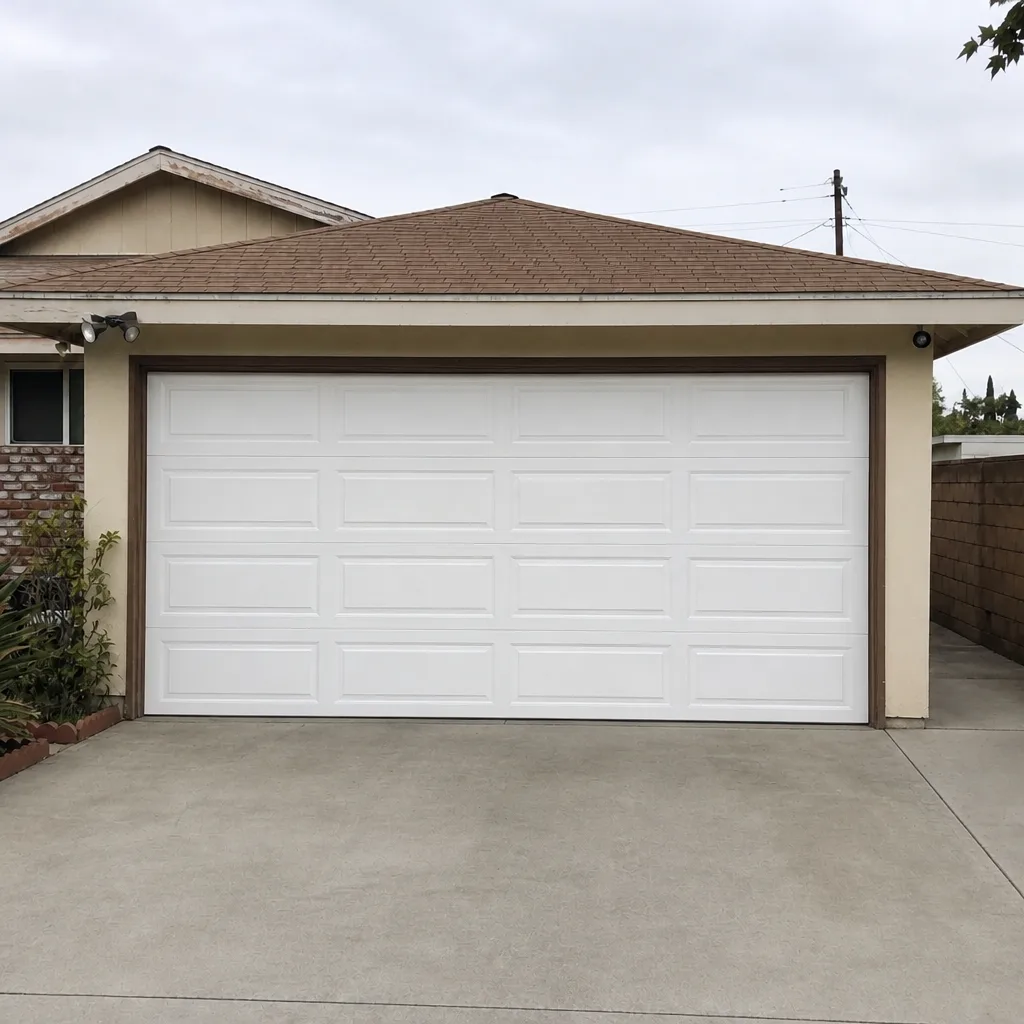
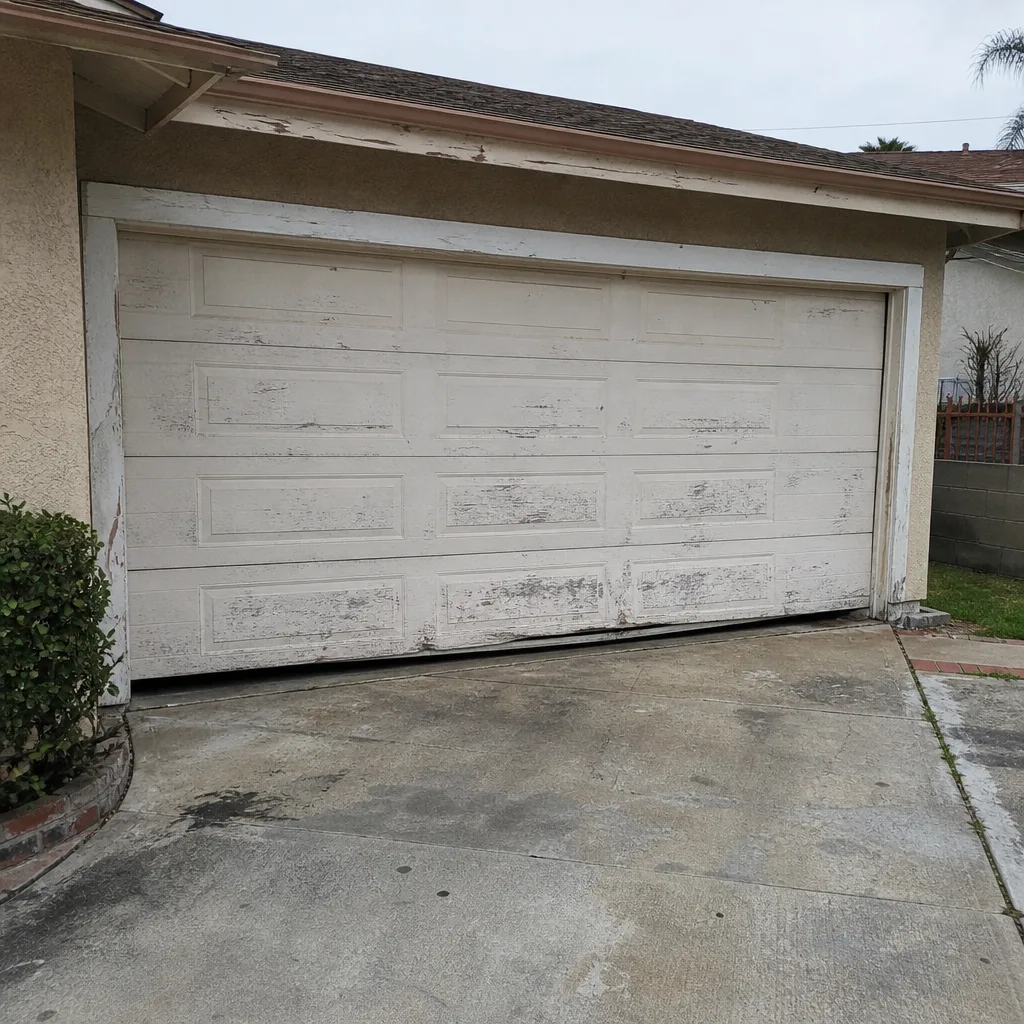
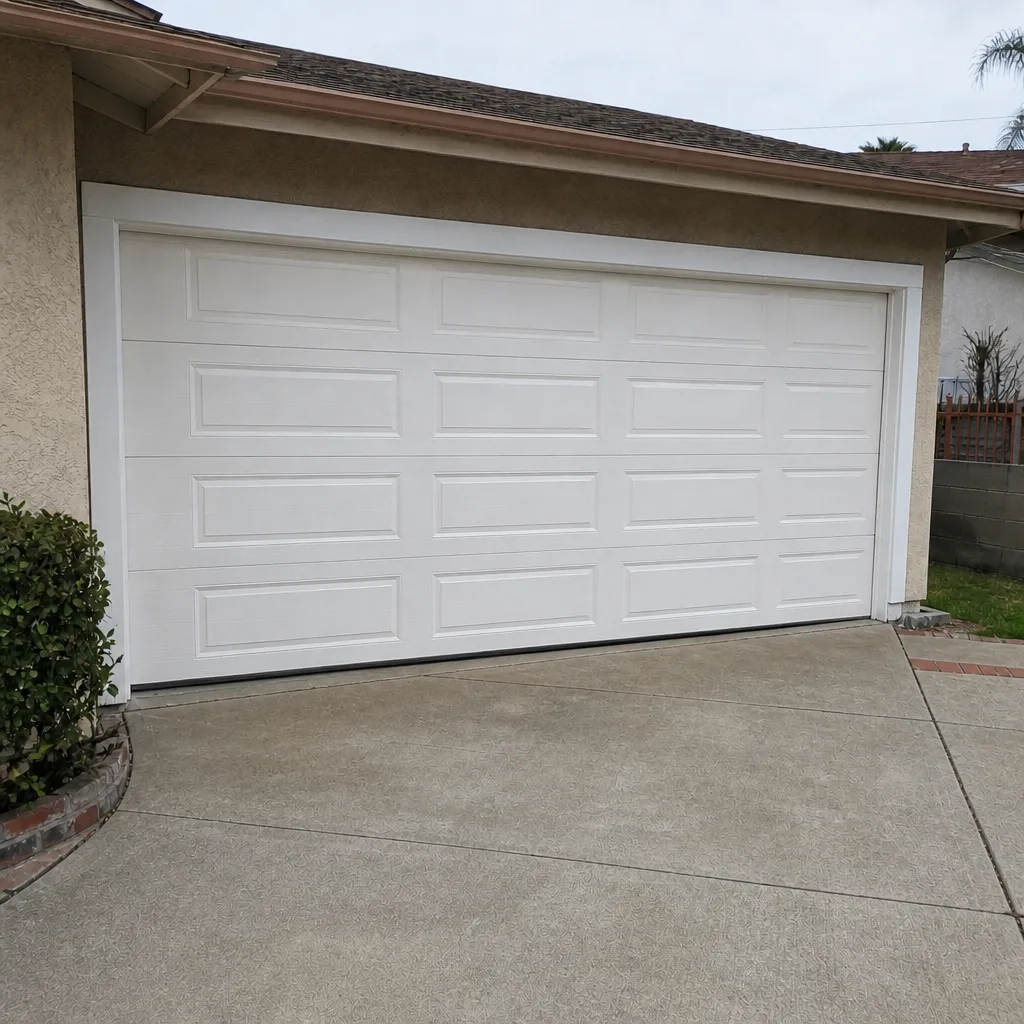
See the difference
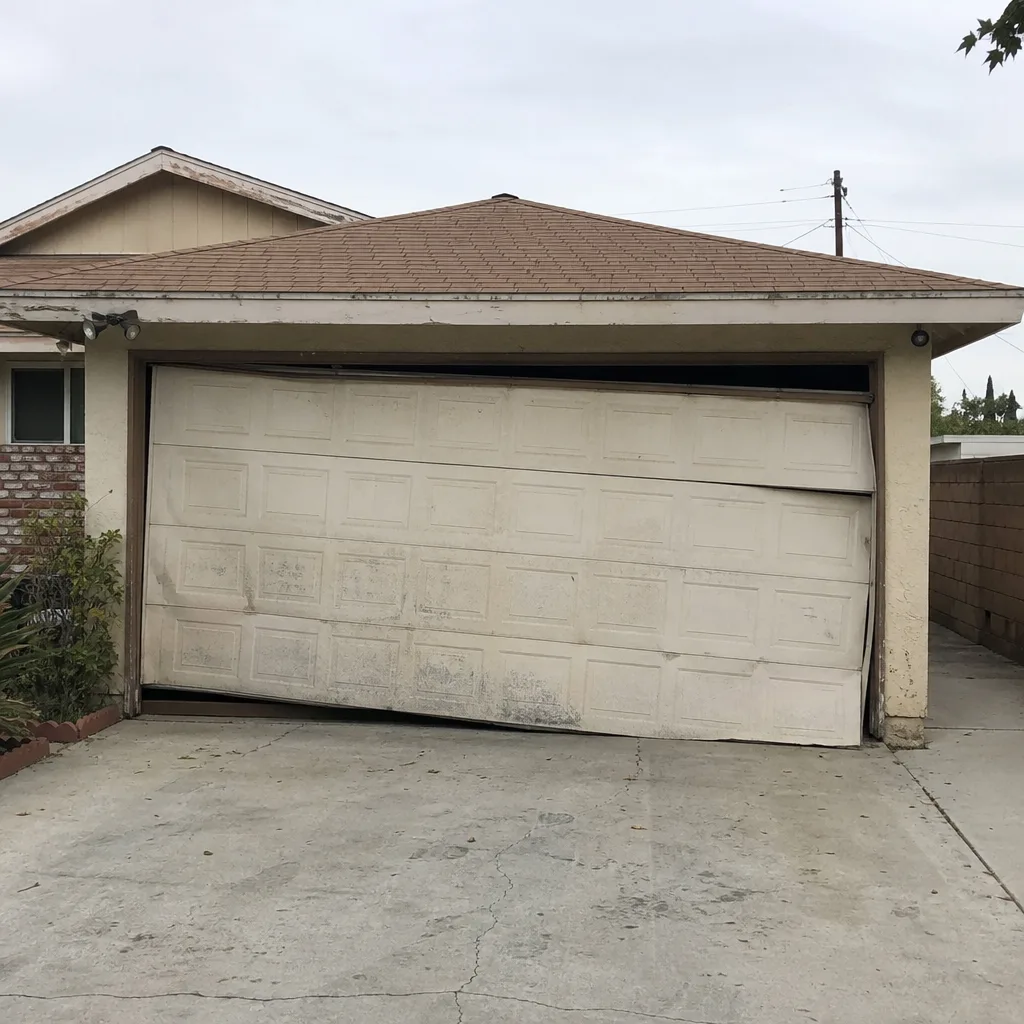 Before
 After
 Before
 After
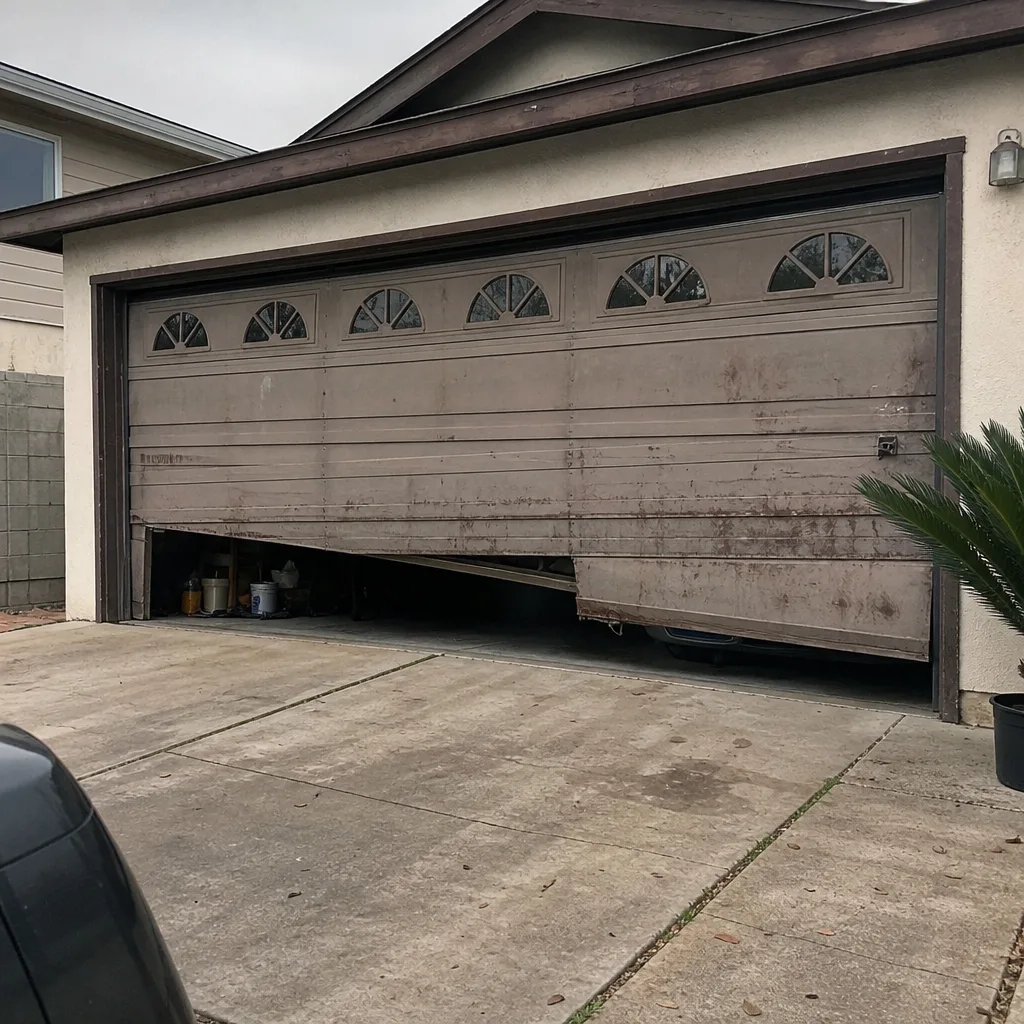 Before
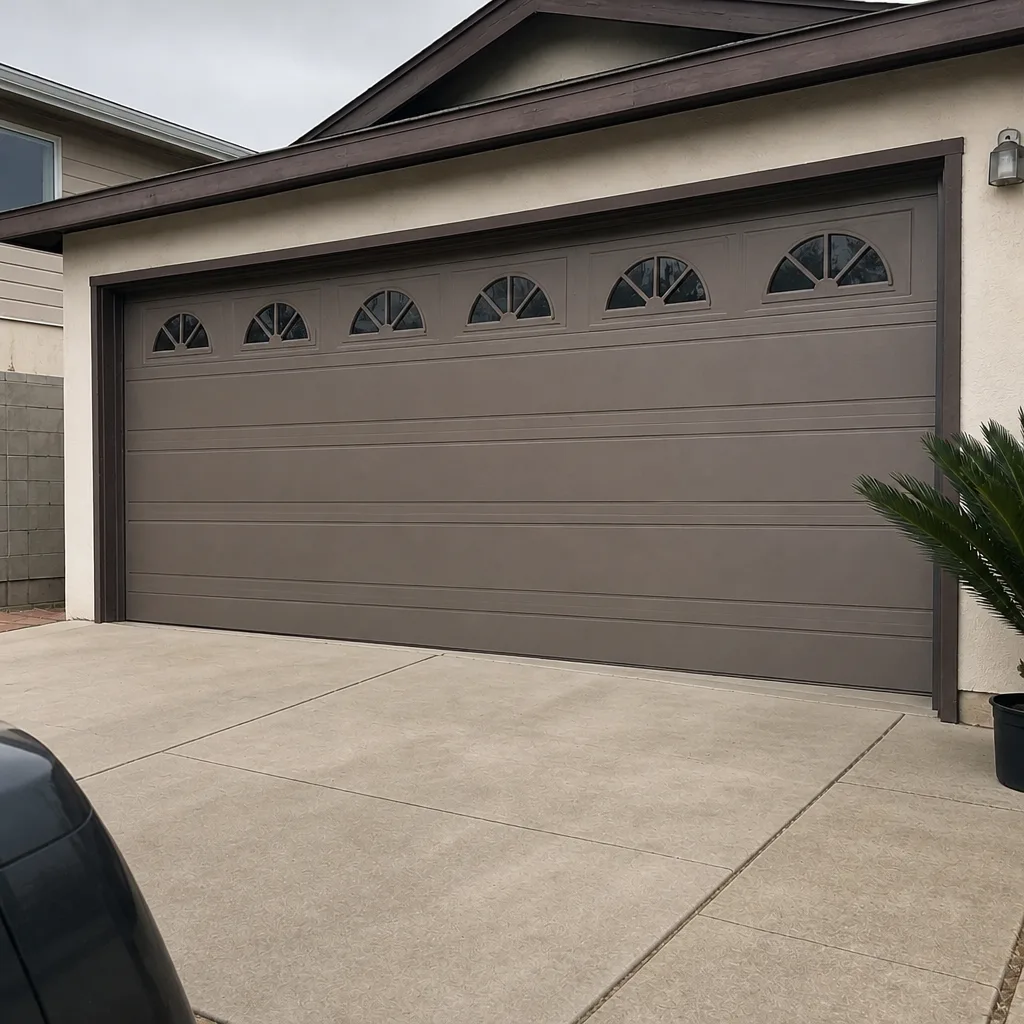 After