
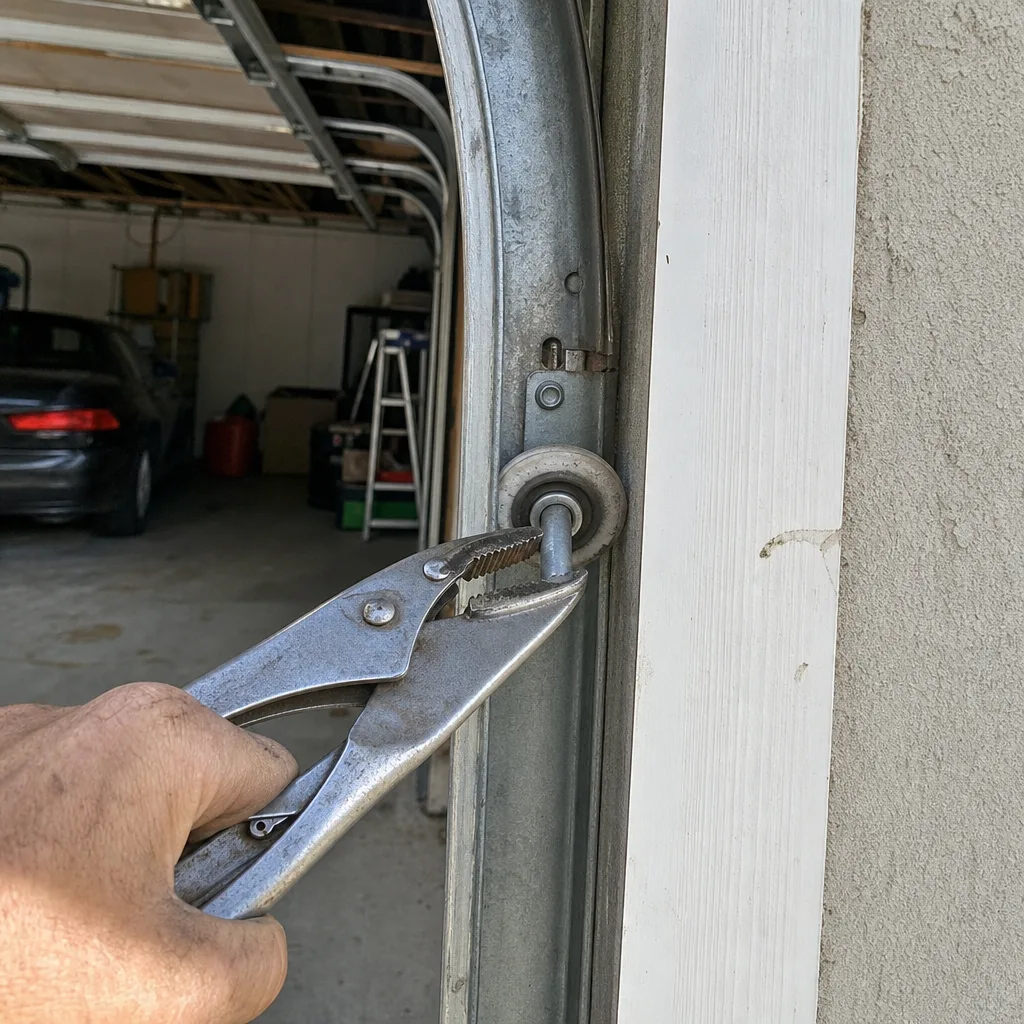
Last updated November 4, 2026
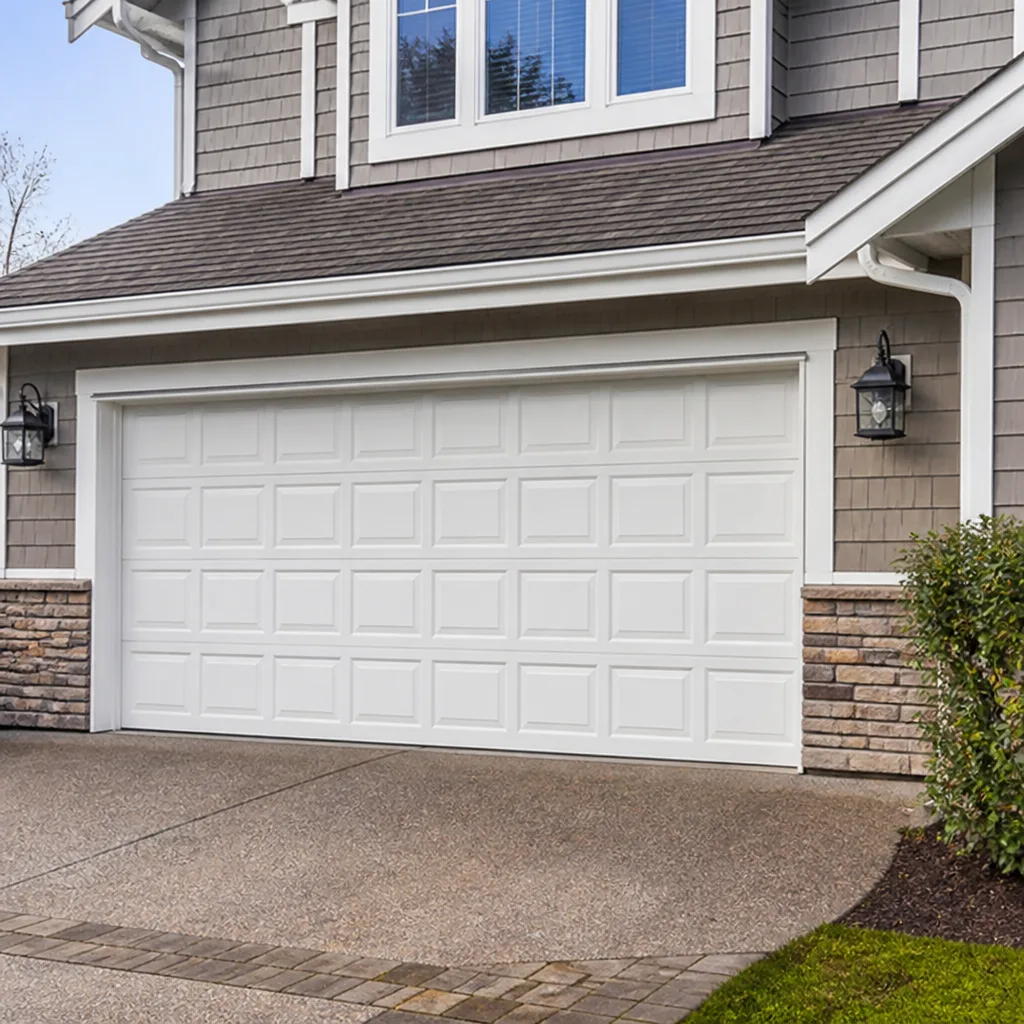 Raised-panel steel
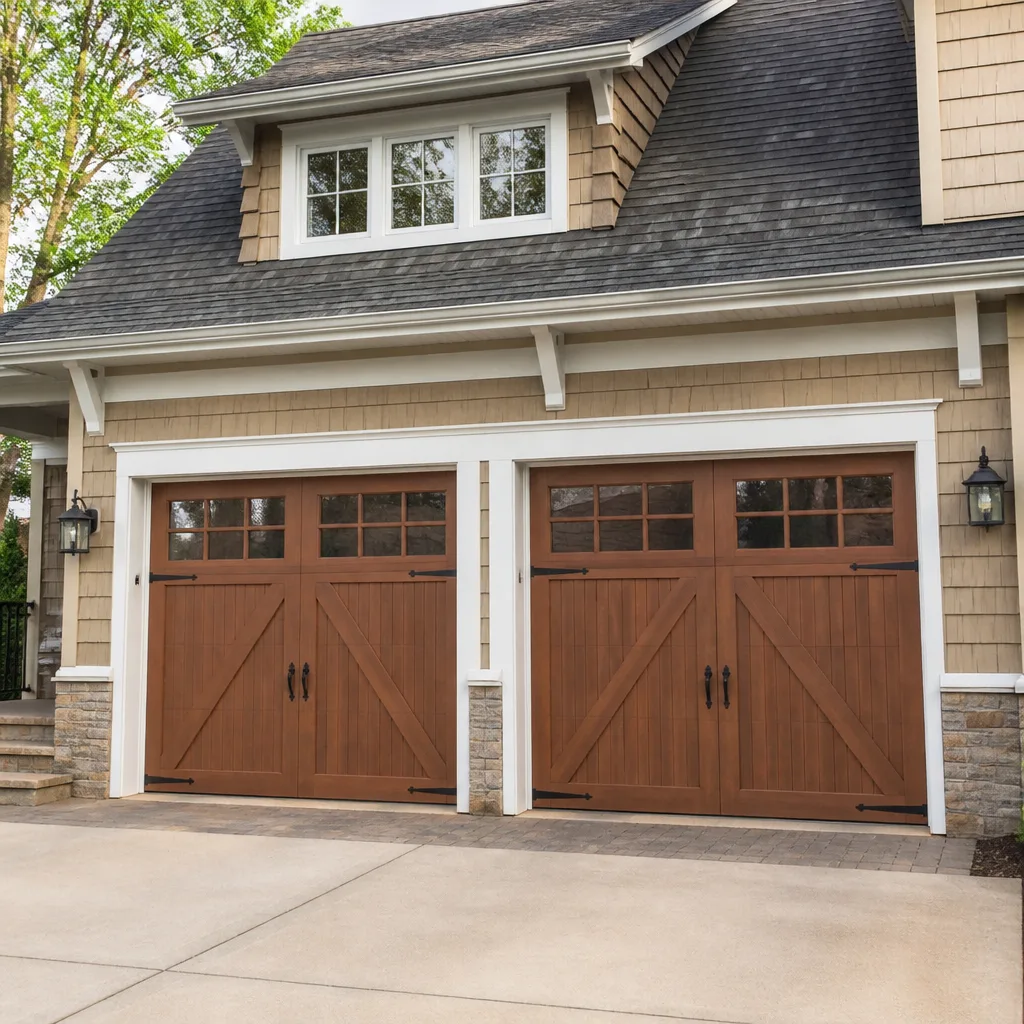 Carriage house
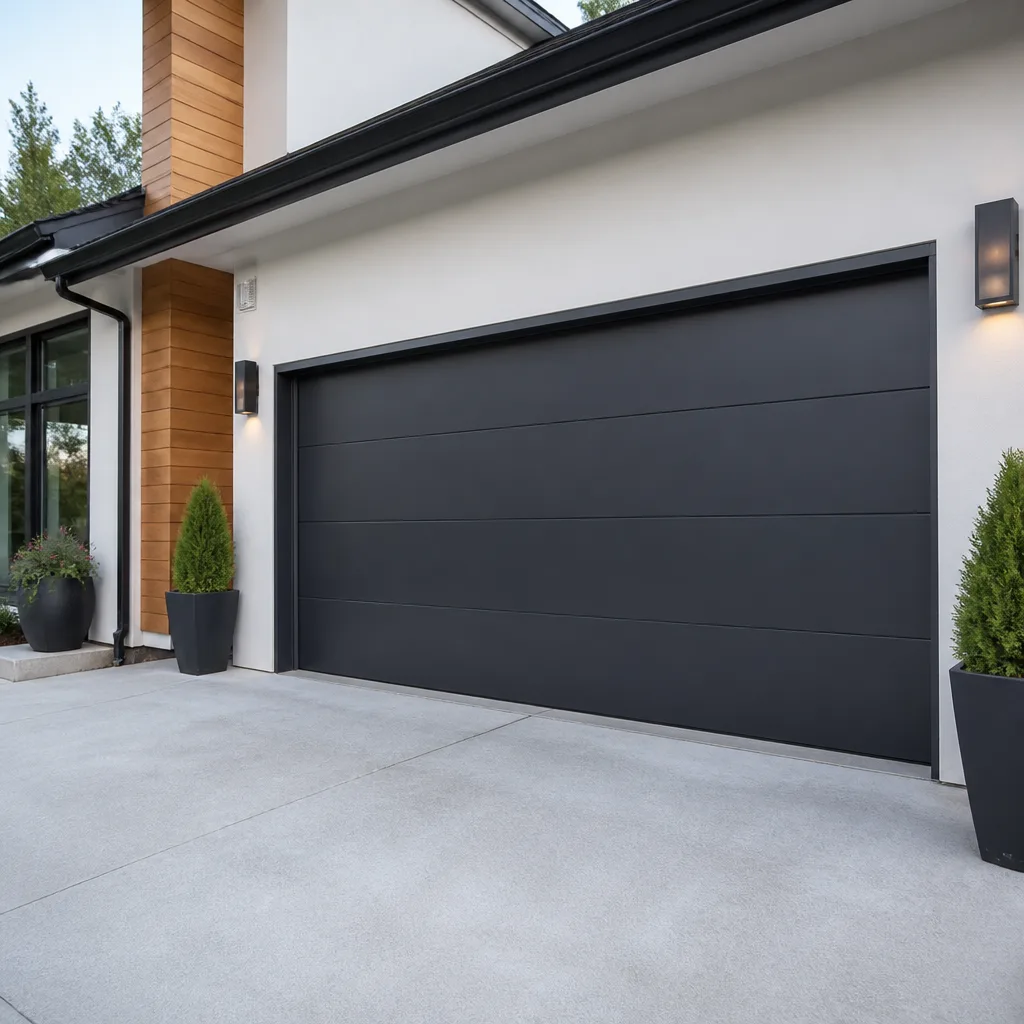 Modern flush
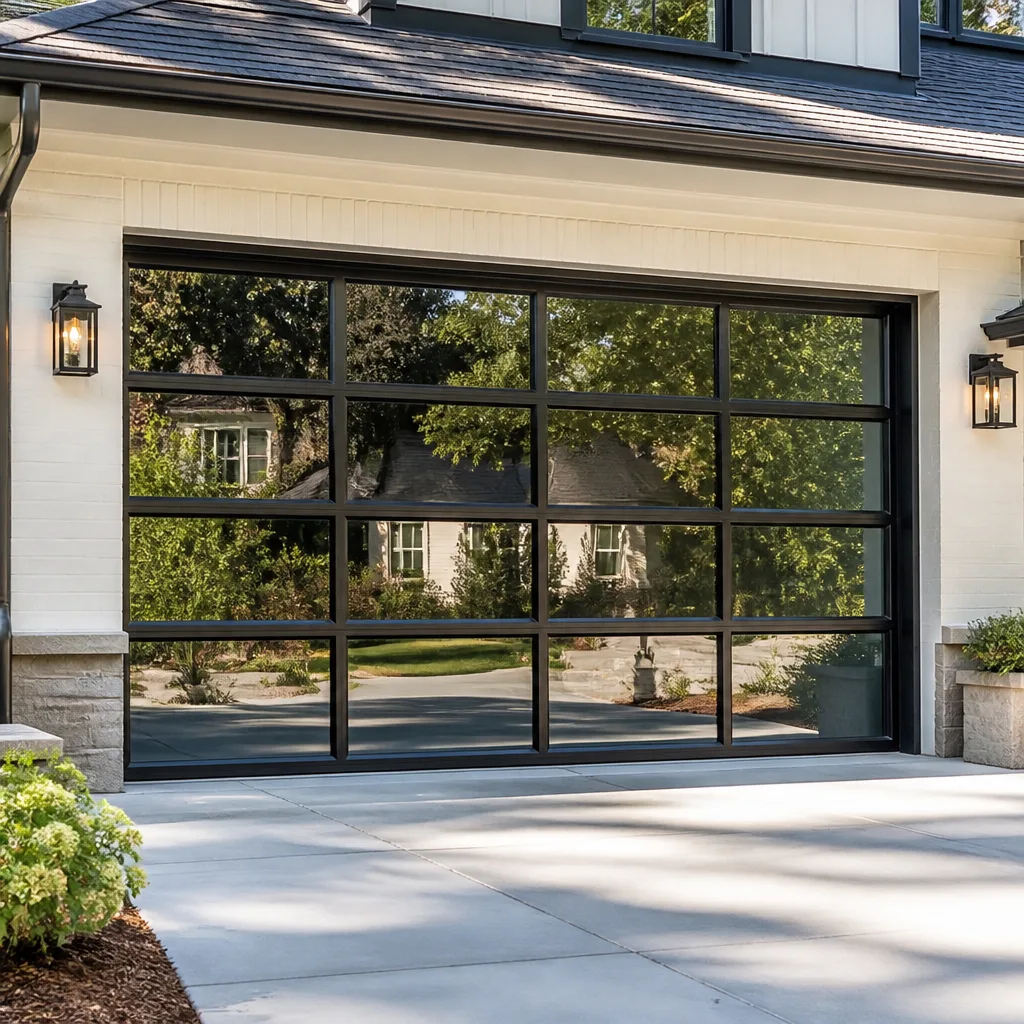 Full-view glass
 LiftMaster openers
 Chamberlain openers
Full 25-point door and opener safety check with every visit - springs, cables, rollers, tracks, and your LiftMaster or Chamberlain opener included
You get a price before we start. It does not change when the pro arrives.
Get your free estimateHow to Hire a Garage Door Contractor in Garden Grove: A Step-by-Step Guide
The hiring mistake most Garden Grove homeowners make isn’t skipping background checks or forgetting to read reviews. It’s not knowing what separates a true multi-system specialist from a one-brand installer who talks a good game. Any contractor can say they work on all brands. Ask them to name the three most common spring configurations on LiftMaster openers made after 2018 and watch what happens. This guide gives you the exact questions, verification steps, and red flags that reveal whether the person at your door can actually diagnose your specific door and opener, or just swap parts until something sticks.
Styles & brands we work with
- Raised-panel steel
- Carriage house
- Modern flush
- Full-view glass
- LiftMaster openers
- Chamberlain openers
Quick Answer
To hire a garage door contractor in Garden Grove, verify their California contractor license classification (C-61/D-28 for garage door work), ask brand-specific diagnostic questions about your exact equipment, and require a written estimate that itemizes parts, labor, and scope before any work begins. Then run the CSLB license check online, confirm they service your specific brand combination, and get a scope-of-work document signed before the first tool comes out of the truck.
Table of Contents
- Step 1: Verify the California Contractor License
- Step 2: Ask the Five Brand-Specific Diagnostic Questions
- Step 3: Demand a Written Estimate That Actually Means Something
- Step 4: Spot the Southern California Red Flags
- Step 5: Evaluate Brand Coverage Before You Commit
- Step 6: Ask the Warranty Questions That Matter
- Common Mistakes to Avoid
- When to Call a Professional
- Frequently Asked Questions
- The Bottom Line
Step 1: Verify the California Contractor License
Garage door installation and repair in California falls under the Contractors State License Board, and the specific classification matters. A handyman license or a general building license is not the same as holding the C-61/D-28 classification that covers door and gate work. When you ask for a license number, you’re checking two things: that the person is legally allowed to do the work, and that they’ve passed the trade examination specific to door systems. A general contractor who says “I do doors too” may be perfectly honest, but that’s not the same as someone whose primary trade credential is doors.
Here’s how to run the check in about 90 seconds:
- Go to the CSLB license lookup page at cslb.ca.gov.
- Enter the license number the contractor gave you, or search by business name.
- Confirm the license status reads “Active” and not “Suspended” or “Expired.”
- Look at the classification field. For garage door work, you want to see C-61/D-28 or a classification that explicitly includes door installation and repair.
- Check the “Workers’ Comp” field. If the contractor brings employees, this matters for your protection.
- Note the license issue date. A license held continuously for several years tells you the company has weathered the CSLB’s renewal and continuing education process.
One detail many Garden Grove homeowners overlook: the CSLB also maintains a public record of complaints and disciplinary actions. Checking it takes thirty extra seconds and can reveal patterns that online reviews never show. We recommend doing this before you invite anyone to your home, not after you’ve already signed a contract.
Step 2: Ask the Five Brand-Specific Diagnostic Questions
This is where the real separation happens. A contractor who actually works on your brand will answer these without hesitation. A contractor who plans to figure it out at your house will pause, redirect, or give you a vague answer about how “they’re all basically the same.” They are not. A garage door opener repair on a Chamberlain system with a belt drive involves different diagnostic points than a Genie screw-drive unit from the same era. A tech who treats every job the same is guessing.
Here are the five questions to ask, and why each one matters:
- “What are the most common failure points on my specific opener model?” If they can’t name the gear, sprocket, or logic board failure modes common to your brand, they’re learning at your expense.
- “How do you diagnose a spring issue on a [Wayne Dalton / Amarr / Clopay] door versus a standard torsion system?” Wayne Dalton’s TorqueMaster system lives inside the tube. A tech who’s never touched one will quote you for parts you don’t need or miss the actual problem entirely.
- “What parts do you stock for my opener brand?” A multi-brand specialist carries logic boards, gears, and sensors for LiftMaster, Chamberlain, and Genie. A one-brand installer carries one line and special-orders everything else.
- “How do you pair a third-party opener with an older door system?” This tests whether they understand the integration between door weight, spring balance, and opener force settings. A real tech explains torque profiles and travel limits. A parts swapper says “we’ll make it work.”
- “Can you explain the difference between a belt drive and a screw drive in terms of what I’ll hear and feel?” This is basic, but you’d be surprised how many “experienced” techs fumble it. If they can’t answer clearly, move on.
Most homeowners in Garden Grove will do this once every ten or fifteen years. Doing it right means ten minutes of questions now instead of a second service call next month.
Step 3: Demand a Written Estimate That Actually Means Something
California law requires certain disclosures in home improvement contracts, and that applies to garage door work. But the practical standard is lower than most people think. A legitimate written estimate should itemize the specific parts (manufacturer and model where applicable), the labor scope, and the total price. What many contractors actually hand you is a single line that says “door repair” and a number. That is not an estimate. That is a guess with a dollar sign attached.
Here’s what to require before work starts:
- Part-specific line items. If the estimate says “springs,” ask which springs, what wire size, what brand, and whether the price covers one or both. A garage door repair that replaces a single spring when the matched pair is near the end of its cycle life will have you calling back within a year.
- Opener model compatibility. If a new opener is involved, the estimate should name the model or at least the drive type, horsepower class, and whether it includes smart-home integration.
- Labor scope in plain language. “Remove and replace two torsion springs, inspect all rollers and hinges, lubricate moving parts, test balance and opener force settings” tells you exactly what you’re paying for. “Fix door” does not.
- Total price, including tax and any disposal or trip charges. The written estimate is the number you agree to. If the number changes, the change should be re-estimated and re-agreed before continuing.
- Payment terms. When is payment due? A contractor asking for full payment upfront on a $600 repair is not standard practice. A deposit on a custom door order is different and reasonable.
In Garden Grove, where the housing stock ranges from mid-century ranch homes to newer builds, door systems vary widely. A 1970s wood door with a retrofit opener has different needs than a 2015 steel insulated door with a smart opener. The estimate should reflect that nuance. If it doesn’t, you’re not getting a specialist.
Step 4: Spot the Southern California Red Flags
Garden Grove has a competitive contractor market, and that competition produces specific patterns. Storm chasers exist here, but they don’t chase hail. They chase the hot summer months when doors warp in the heat and openers fail from constant use. They run quick neighborhoods, hand out flyers, and offer “same-day special” pricing that disappears when the truck pulls away.
Here are the red flags that appear more often in this market than any other:
- Cash-only bids. A contractor who won’t take a check or card has a reason. Cash transactions are harder to trace, and harder to dispute.
- The “one-time special” price. “I can do it today for $199 if you decide right now” is pressure, not expertise. A real specialist quotes a fair price whether you decide in five minutes or five days.
- The vague diagnosis. “Your door needs a full tune-up” without naming what’s worn, what’s failing, and what’s fine is a sales pitch wearing a tool belt.
- The unmarked truck. Not every legitimate contractor wraps a vehicle, but a company with no phone number on the side, no business card, and no written estimate is asking you to trust a blank piece of paper.
- The low-ball opener quote. A $149 installed price on a new opener means you’re getting the cheapest model they can find, with no warranty support and no follow-up. Quality openers with installation run higher, and you’ll know exactly what you’re paying for.
None of these are unique to Southern California, but the frequency and the flavor are. The market here is dense enough that a contractor can run a hundred quick jobs a year and never build a repeat customer base. They don’t need your repeat business. They need your one-time approval.
Step 5: Evaluate Brand Coverage Before You Commit
This is the piece most hiring guides skip entirely. A technician who handles Chamberlain, Amarr, and Wayne Dalton diagnostics differently is worth more than one who treats every job the same. Here’s why: a Chamberlain opener paired with a Clopay door is a specific combination with specific calibration points. A Genie opener on an Amarr door behaves differently than a Genie opener on a Wayne Dalton door. The door weight, spring type, and opener force settings all interact.
When you ask about brand coverage, listen for these three things:
- Specificity. “I work on everything” is not an answer. “Clopay doors use a different hinge geometry on their commercial-grade lines, and I stock those hinges” is an answer.
- Honesty about limits. A good technician will tell you if a specific brand has a proprietary part that needs special ordering. That’s not a red flag. That’s expertise.
- Diagnostic process. A multi-brand tech explains how they isolate whether the problem is in the door, the spring, or the opener. A one-brand tech starts replacing parts in order of expense.
At Raven Garage Door Repair, this is the entire operating model. We don’t have a single brand we steer every customer toward because a single-brand mindset doesn’t serve a home with mixed equipment. Most Garden Grove homes don’t have one brand across the board. They have a Clopay door with a LiftMaster opener, or an Amarr door with a Genie opener. Working across those combinations is not a specialty. It’s the baseline.
Step 6: Ask the Warranty Questions That Matter
Warranty conversations usually go like this: the homeowner asks “what’s your warranty?” and the contractor says “one year on parts and labor” and everyone moves on. That’s not enough. A meaningful warranty conversation covers scope, exclusions, and what happens when something fails.
Ask these specific questions:
- Does the labor warranty come from you or from the manufacturer? A manufacturer warranty covers a defective part. It does not cover the labor to remove and reinstall that part in your home in Garden Grove. If the contractor won’t cover labor on their own workmanship, the “warranty” is mostly paper.
- What voids the warranty? Some manufacturers void spring warranties if the door is not balanced within a certain tolerance. A good installer balances the door before they leave. A bad one hands you a warranty card and drives away.
- Is the warranty transferable? If you sell your home, does the new owner get the remaining coverage? This matters more than most people think.
- How do you handle warranty service calls? Do they come out, diagnose, and fix at no charge? Or do they charge a trip fee and “credit it toward the repair”? Get this in writing.
We’ve been doing this work in Garden Groveand the warranty conversations that go well are the ones where the homeowner asks pointed questions and the contractor answers them without blinking. The conversations that go poorly are the ones where “warranty” means “trust me.”
Common Mistakes to Avoid
- Hiring based on price alone. The lowest quote on a spring replacement in Garden Grove often means a single spring when you need a pair, or a wire size that won’t counterbalance your door. You’ll pay more in six months when the other spring snaps.
- Not verifying the license classification. A C-61/D-28 is not the same as a general B license. Garage door work requires specific trade knowledge, and the CSLB knows it.
- Accepting a verbal estimate. If it’s not written, it didn’t happen. Insist on itemized scope before work starts.
- Ignoring brand compatibility. A Wayne Dalton TorqueMaster spring system is genuinely different from a standard torsion setup. If the tech has never opened one, you’ll pay for their learning curve.
- Not asking about parts on hand. A technician who carries common sensors, gears, and spring stock can complete most repairs in one visit. One who orders everything creates a second appointment and a second day of inconvenience.
- Trusting “same-day special” pricing. Pressure pricing is a sales tactic. In the Garden Grove market, the companies that advertise the biggest discounts are often the ones with the least repeat business.
- Skipping the balance test. After any spring work, the door should lift smoothly and stay in place at mid-height. If the tech doesn’t test this in front of you, ask them to. A door that isn’t balanced wears openers out prematurely.
When to Call a Professional
Some garage door issues are simple enough to address yourself: tightening a loose hinge, replacing a remote battery, clearing debris from the track. But the components under tension are different. Garage door springs hold enough stored energy to cause serious injury if they release unexpectedly. If your spring has snapped, if your door is off its track, if your opener is making grinding noises, or if the door won’t stay open, stop guessing and call someone who does this work daily. We answer 24/7, and our fast dispatch from 7am to 7pm means a same-day visit is often possible. Raven Garage Door Repair offers free estimates throughout Garden Grove. Call (866) 616-5011 and we’ll tell you exactly what we think the issue is and what it will cost to fix before we touch a single bolt.
Frequently Asked Questions
A single torsion spring replacement in Garden Grove typically falls in the $180 to $340 range for the spring itself, with labor adding to that total. The full cost depends on the spring wire size, door weight, and whether you’re replacing one spring or the matched pair. Replacing a pair is almost always the right call, since the second spring is near the end of its cycle life when the first one snaps. Call (866) 616-5011 for an exact quote, estimates are free.
Yes, same-day service is usually available for repairs when you call early enough. We answer 24/7 and dispatch crews from 7am to 7pm, Sunday through Friday. A spring failure or opener failure doesn’t wait for a convenient appointment, so we structure our schedule around getting a technician to your home quickly.
A belt drive opener uses a reinforced rubber belt and runs noticeably quieter than a chain drive, which uses a metal chain that rattles and clanks as it moves. If your garage is attached to your home or below a bedroom, the quiet operation of a belt drive is worth the extra cost. Chain drives are durable and cost less upfront but transfer more vibration to the ceiling.
Yes, Wayne Dalton’s TorqueMaster system is one of the systems we service regularly. The springs live inside a tube above the door rather than exposed on a shaft, which changes the diagnostic and replacement process. A technician who has never opened a TorqueMaster often misdiagnoses the problem and quotes the wrong repair.
Most openers last between 10 and 15 years with normal use in the Garden Grove climate. The mild weather here means rust and cold-weather failure are rare, but the constant use of a garage as a daily entrance can wear out gears and logic boards faster. If your opener is more than 12 years old and the motor is straining, replacement is often cheaper than repeated repairs.
The written estimate is the price you agree to before work starts. If we find something unexpected during the job, we stop, show you, and re-estimate before continuing. No surprises on the invoice. That’s the entire point of a written estimate.
The Bottom Line
Hiring a garage door contractor in Garden Grove comes down to verification, specificity, and documentation. Verify the California contractor license and the C-61/D-28 classification. Ask brand-specific questions that reveal whether the tech knows your equipment or is learning on your dime. Require a written estimate that itemizes parts and labor, and ask the warranty questions that separate real coverage from promises. The right contractor answers every question directly, brings the right parts on hand, and hands you a document you can hold them to. The wrong one hands you a pressure pitch and a blank line. You now know which one you’re talking to.
Written by the team at Raven Garage Door Repair, serving Garden Grove.
See the difference
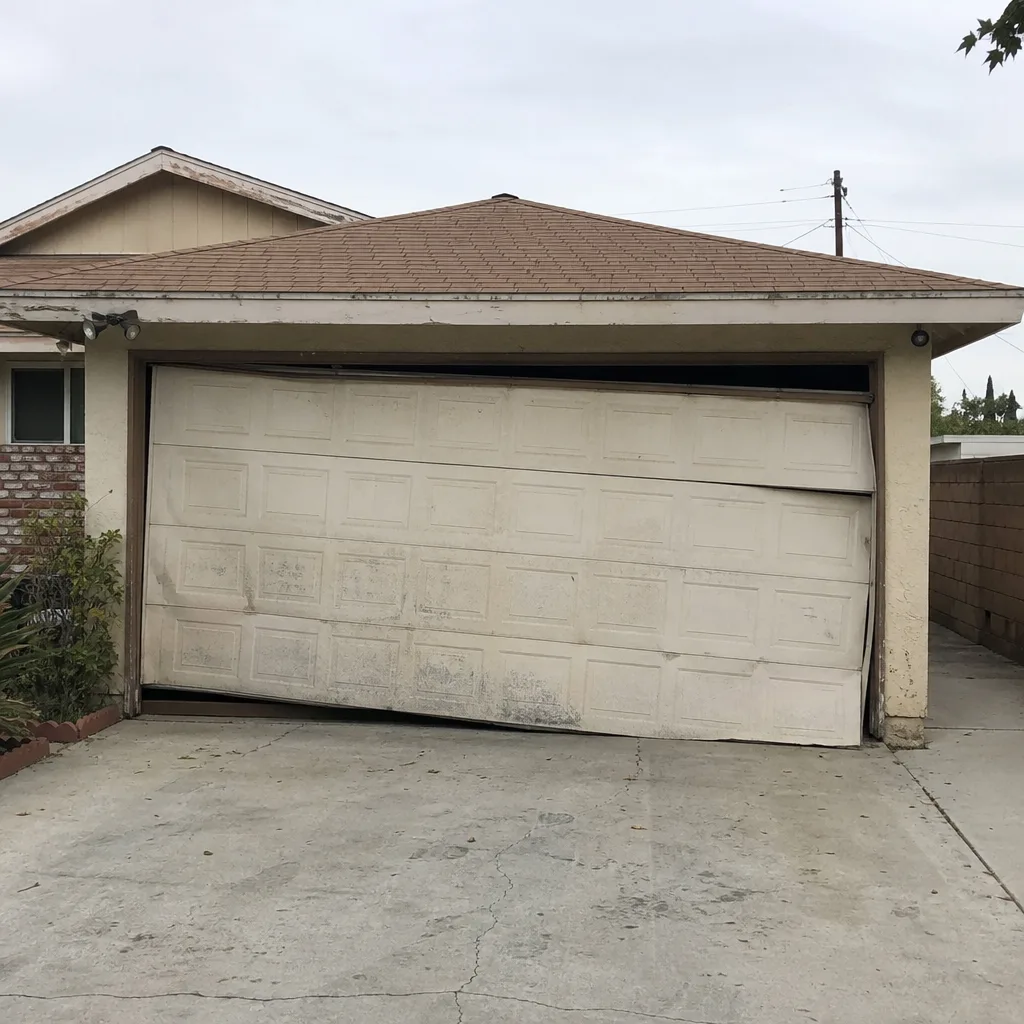 Before
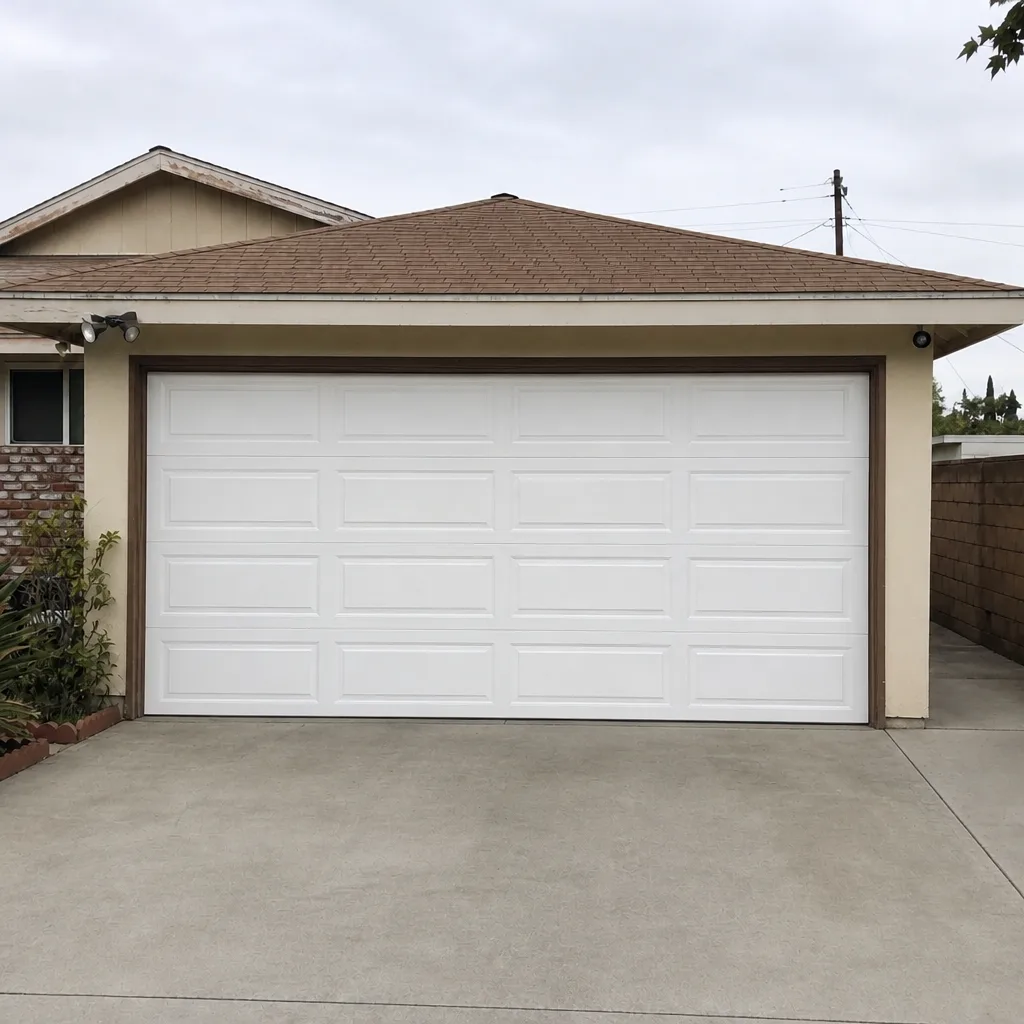 After
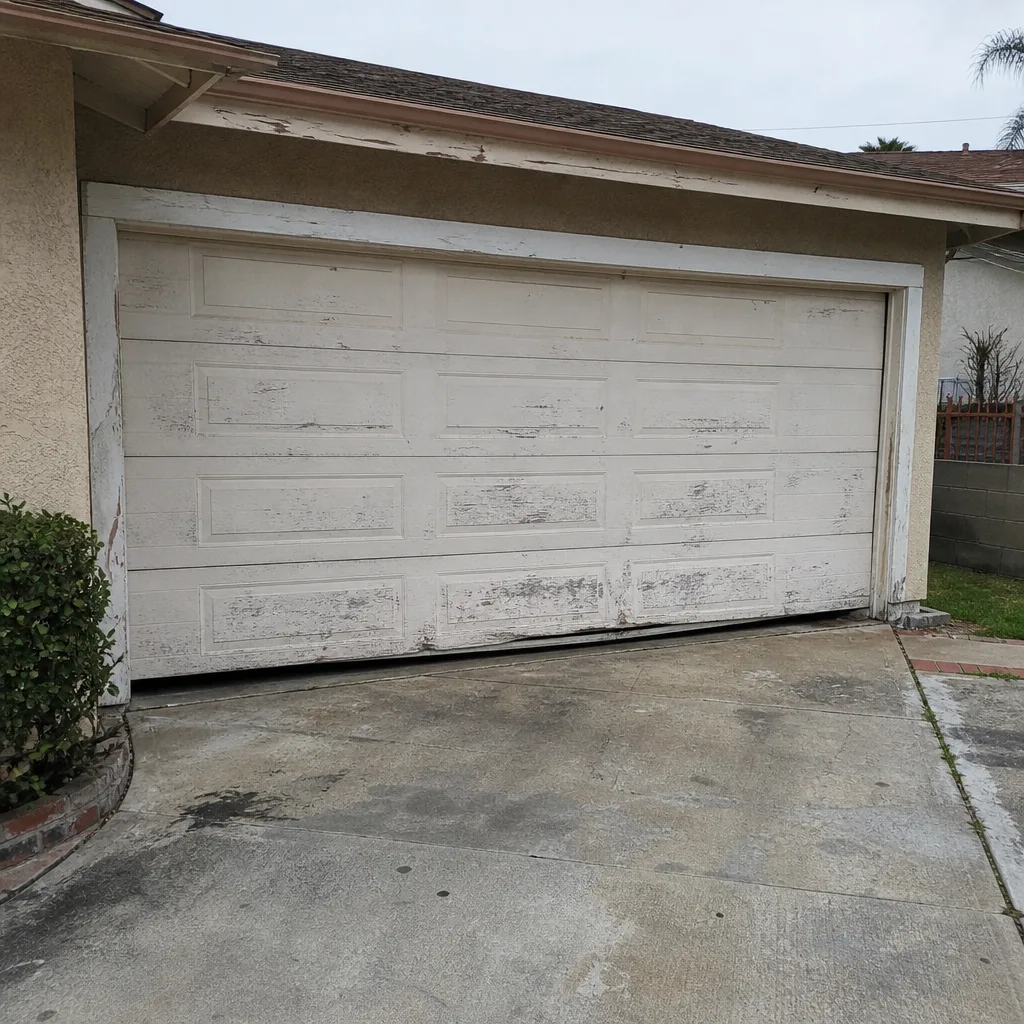 Before
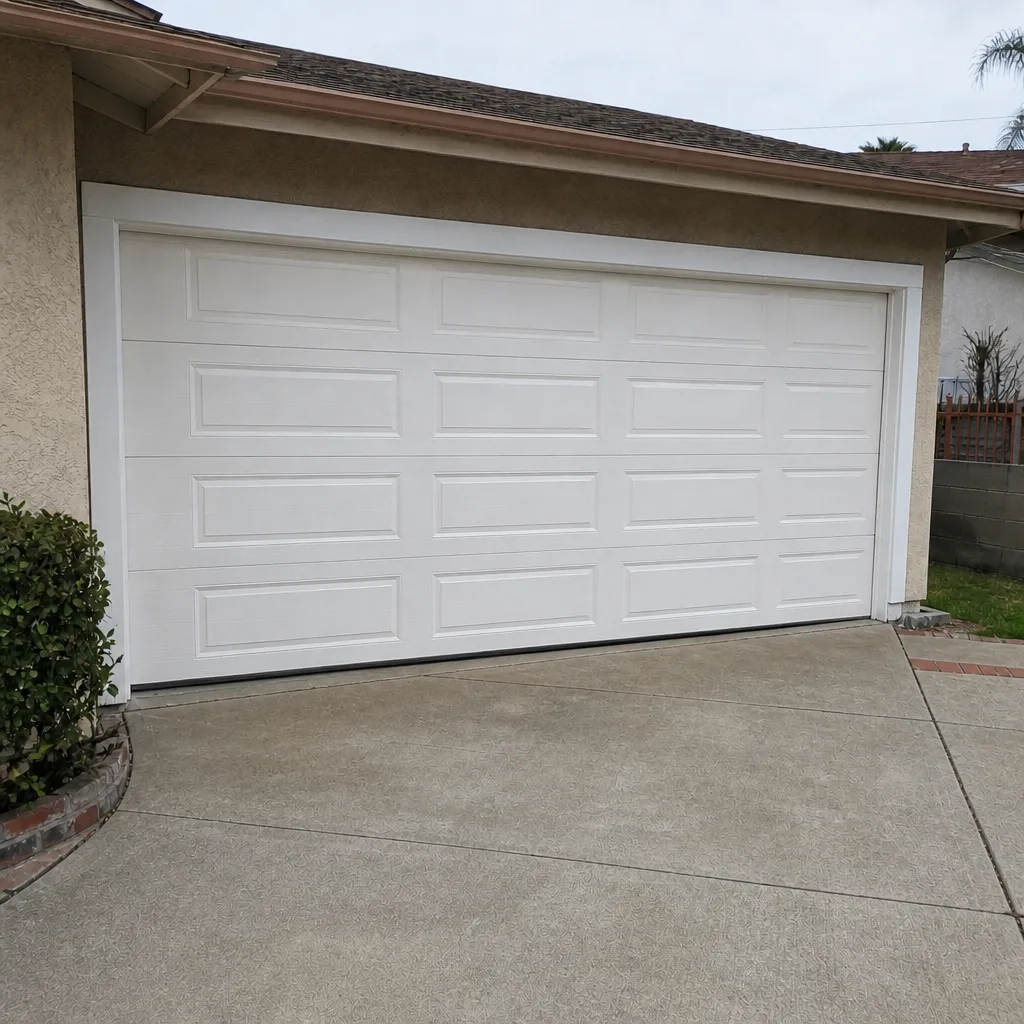 After
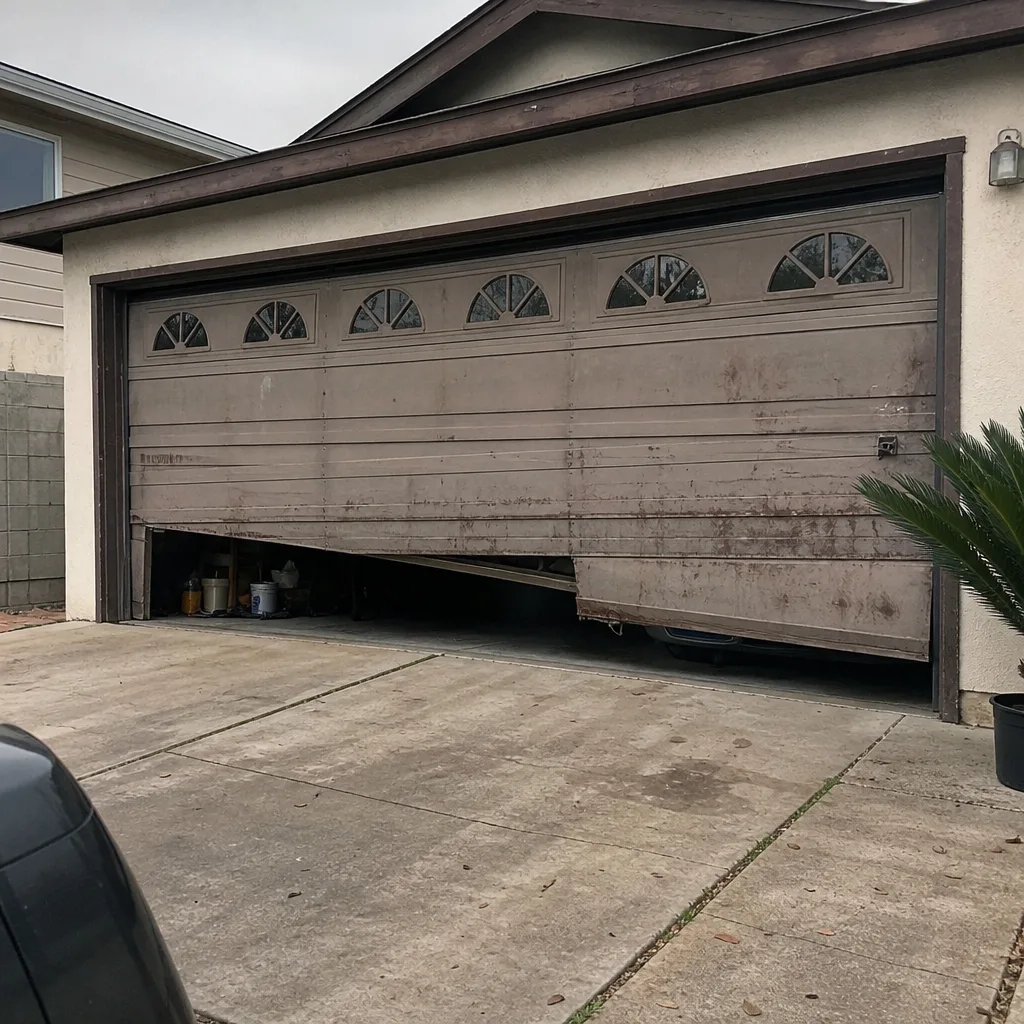 Before
 After