
Last updated November 4, 2026
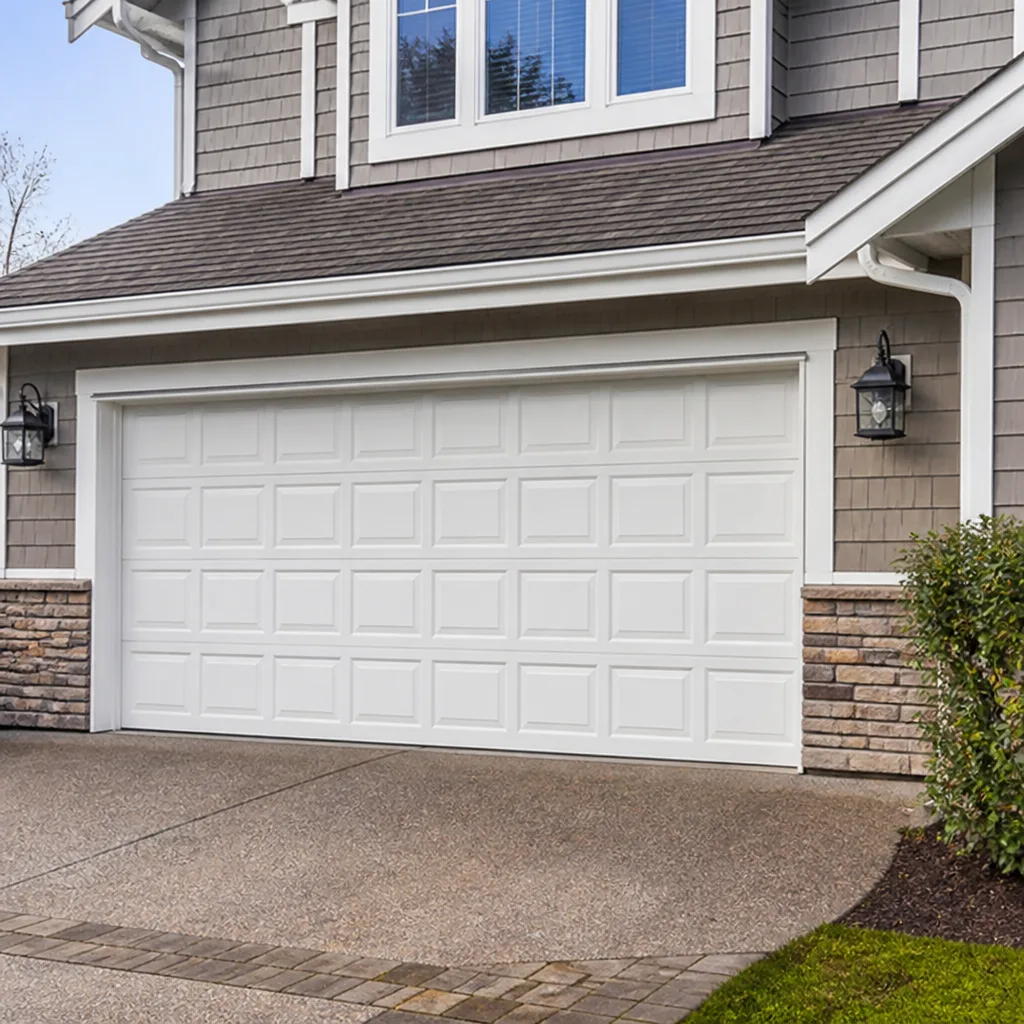 Raised-panel steel
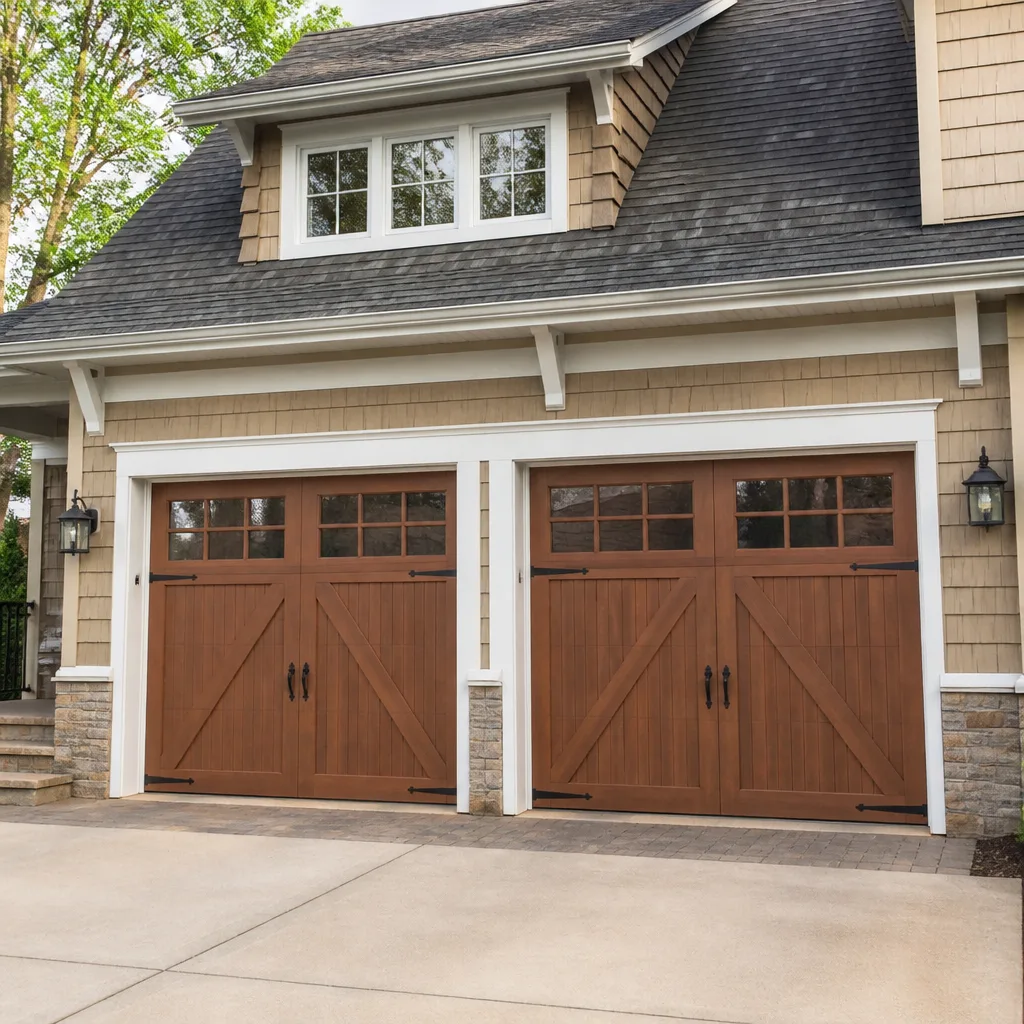 Carriage house
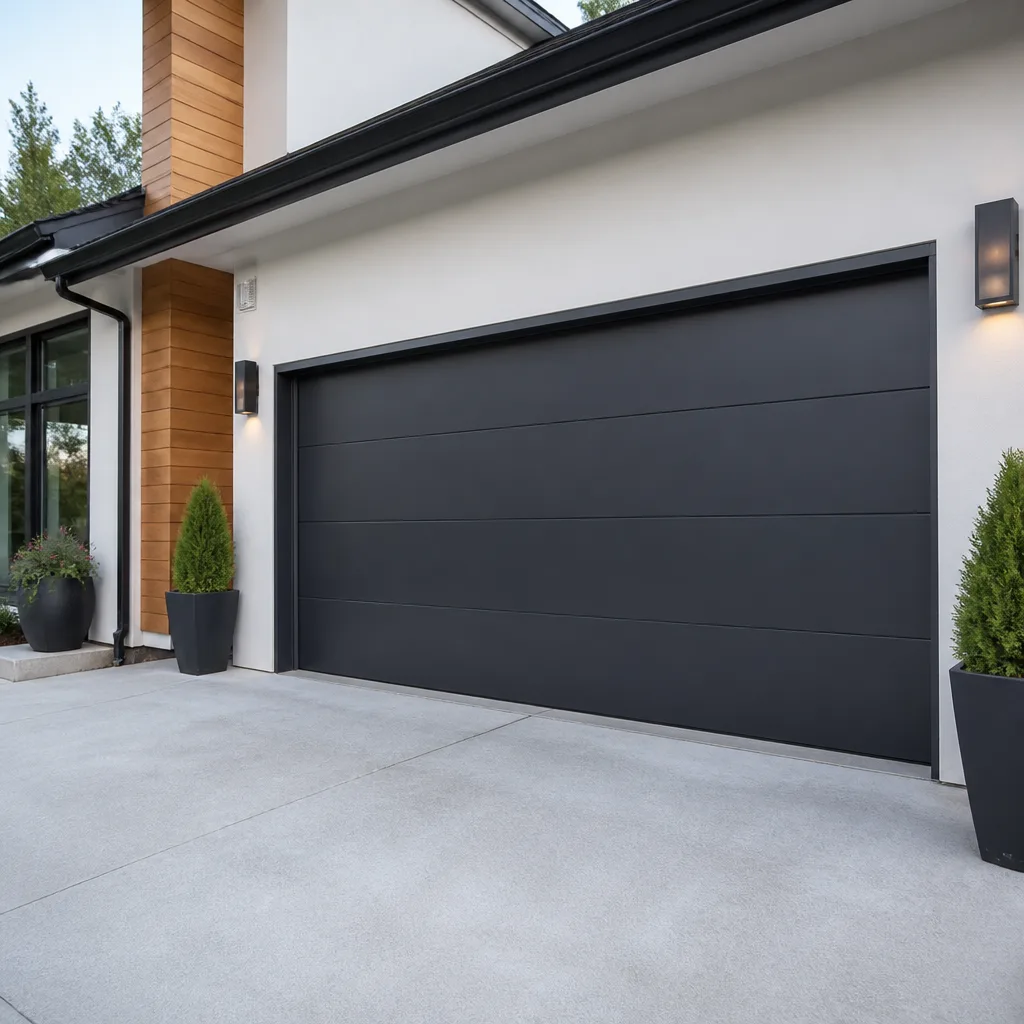 Modern flush
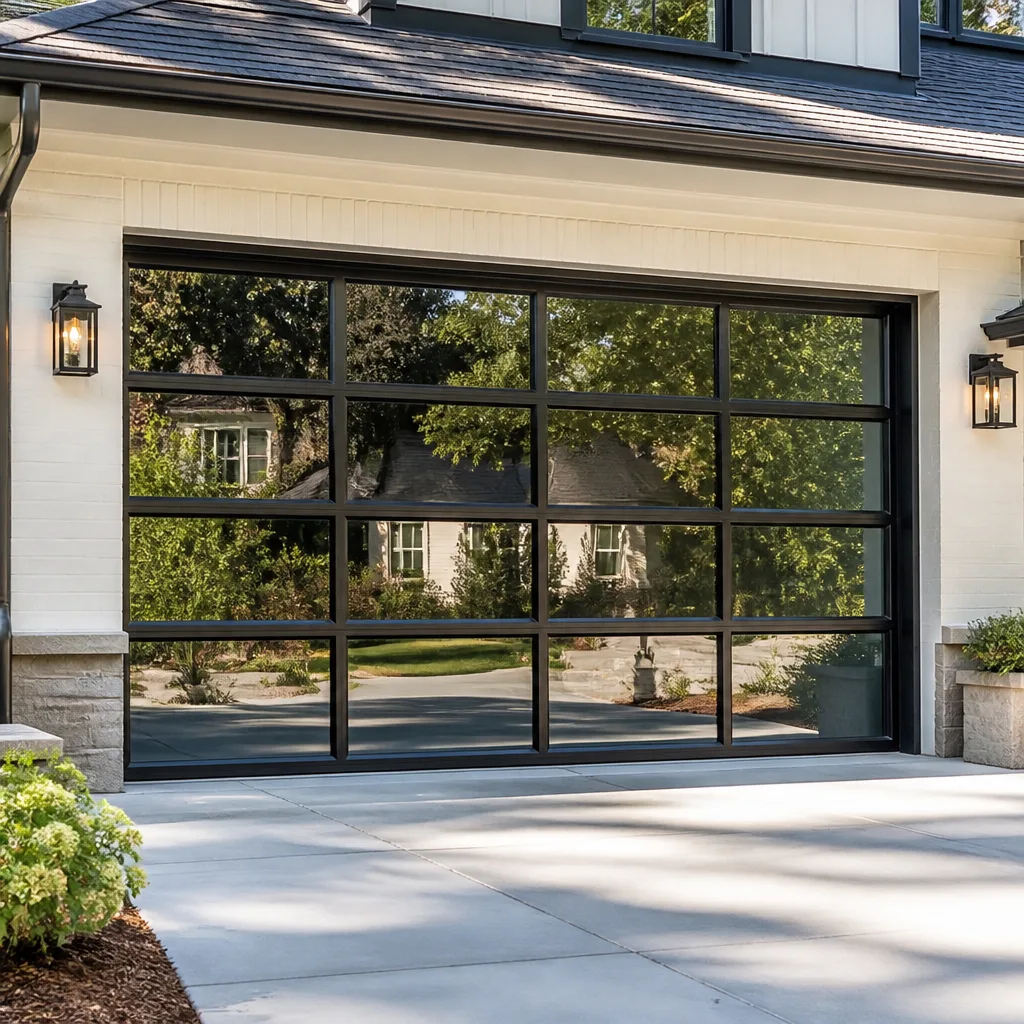 Full-view glass
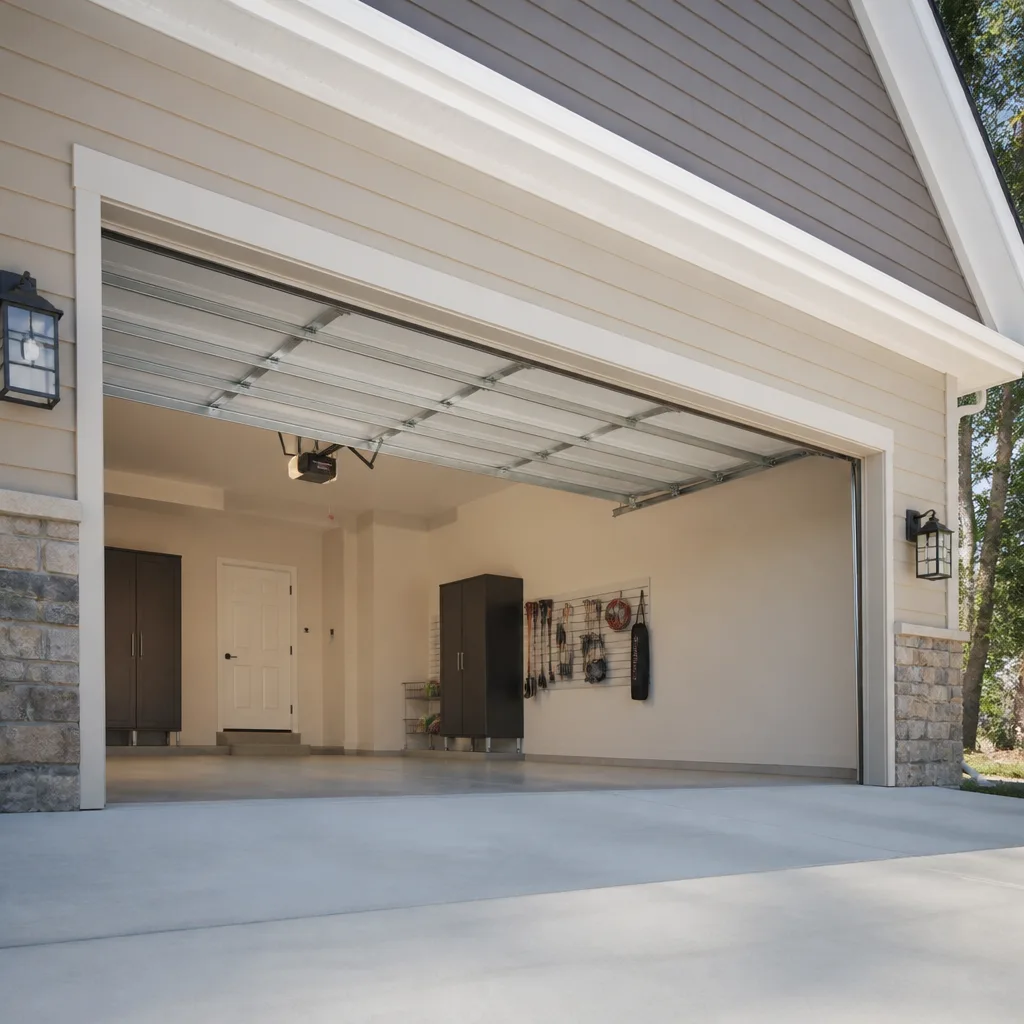 LiftMaster openers
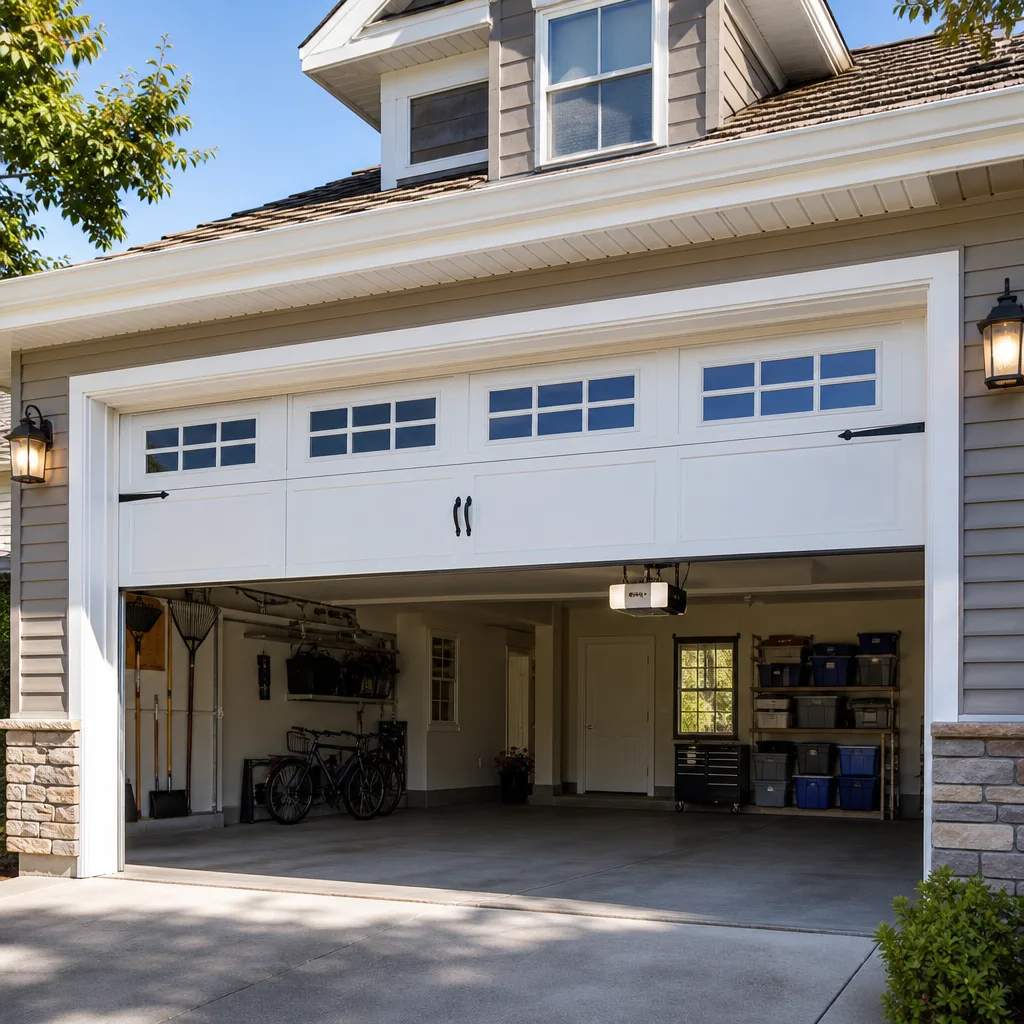 Chamberlain openers
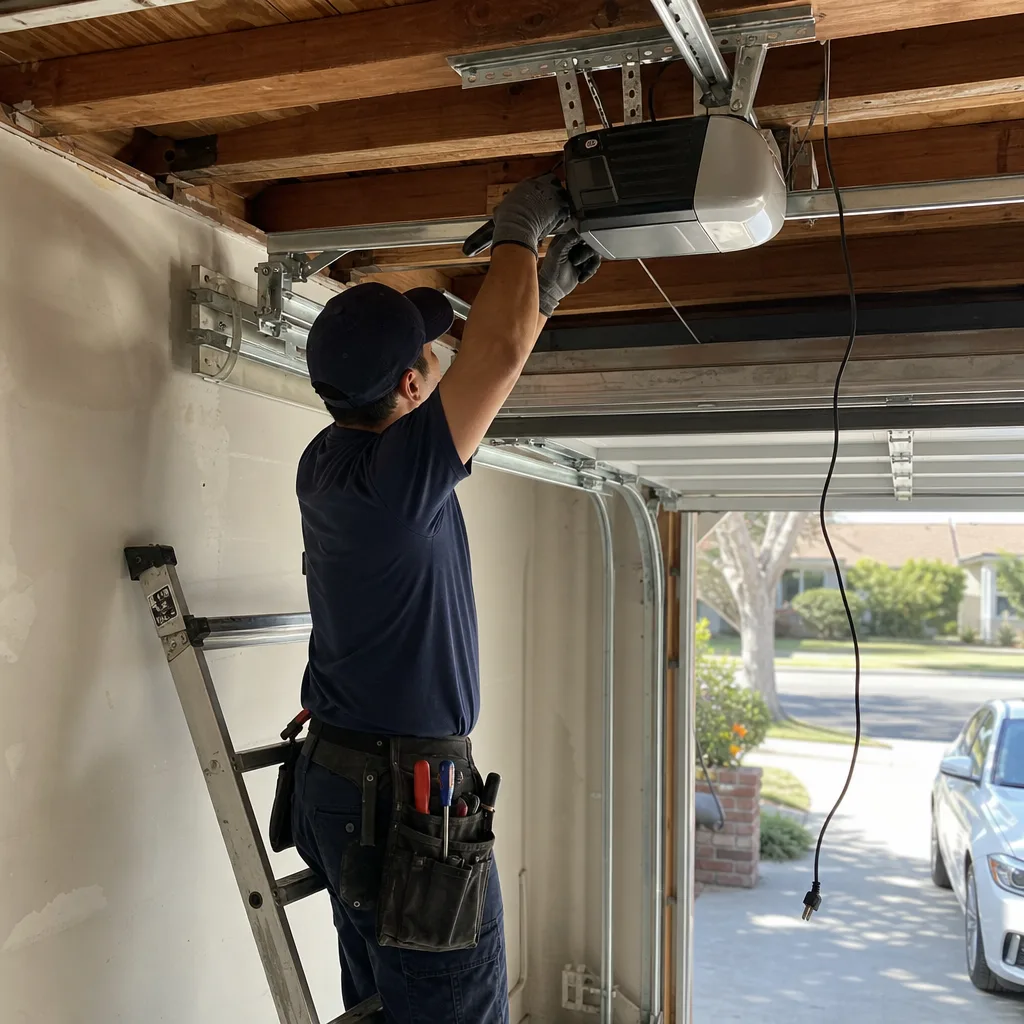
Full 25-point door and opener safety check with every visit - springs, cables, rollers, tracks, and your LiftMaster or Chamberlain opener included
You get a price before we start. It does not change when the pro arrives.
Get your free estimateSeasonal Garage Door Care for Garden Grove: Year-Round Homeowner’s Guide
No snow, no ice, no sub-zero mornings. Plenty of Garden Grove homeowners look at the calendar and figure seasonal garage door maintenance is a Midwest concern, something for people who own snow shovels. That assumption is exactly why February brings a spike in broken springs and August clusters motor burnouts. Your garage door doesn’t need to survive a blizzard to need seasonal attention. It needs to handle a thermal cycle, a rainy period, and a high-UV summer stretch, and each of those stresses a different component. This guide walks you through what to check, when, and why the timing matters more than most people realize.
Styles & brands we work with
- Raised-panel steel
- Carriage house
- Modern flush
- Full-view glass
- LiftMaster openers
- Chamberlain openers
Quick Answer
Seasonal garage door care in Garden Grove means aligning maintenance with Southern California’s actual weather pattern: wet-season checks for seals and sensors from November through February, spring inspection for spring fatigue and track alignment before summer heat, ventilation and limit assessments during the hottest months, and a weatherstripping audit every October. Done consistently, these four checkpoints prevent most predictable failures and extend the working life of both the door and the opener.
Table of Contents
- Winter Rain Season (November – February): Seals, Tracks, and Sensors
- Spring (March – May): Torsion Spring Inspection Before the Heat
- Summer (June – September): Opener Motor Performance in High Heat
- Fall (October – November): The Pre-Rain Weatherstripping Audit
- Event-Based Triggers That Override the Calendar
- The 10-Minute Monthly Check for Garden Grove Homeowners
- Common Mistakes to Avoid
- When to Call a Professional
- Frequently Asked Questions
- The Bottom Line
Winter Rain Season (November – February): Seals, Tracks, and Sensors
Southern California’s wet season is the closest thing Garden Grove gets to a harsh winter, and it’s when we see an uptick in calls about doors that won’t close properly or reverse unexpectedly. Rain does three specific things to a garage door system. It saturates the bottom seal, it introduces moisture to the track hardware, and it spatters the photo-eye sensor lenses. Each has a distinct symptom, and each has a straightforward fix when caught early.
The bottom seal, also called a weatherstrip or astragal, is a rubber or vinyl strip along the bottom edge of the door. During Garden Grove’s rainy months, a hardened or cracked seal lets water run under the door and into the attached garage. You’ll notice a damp line on the concrete or puddled water after a heavy downpour. The fix is a replacement seal, and it’s a quick job for a technician who carries the material. If the seal looks intact but water still gets in, the issue may be the door’s travel limit, not the seal itself.
Track moisture is less obvious. Garden Grove’s winter air is humid enough that ungreased steel rollers and hinges begin to surface-rust. You’ll hear a rougher sound during operation, somewhere between a scrape and a grind. Light surface rust responds to a proper cleaning and a garage-door-specific lubricant applied to the rollers, hinges, and the torsion spring. Silicone-based lubricant works well for the polymer components. Avoid grease, which collects dust and accelerates wear.
Sensor lenses are the most common winter culprit we see after rain. The photo-eye sensors sit about six inches off the ground on each side of the door opening. Rain splash and wind-blown debris coat the lenses, and the opener reads the obstruction as an object in the doorway. The door refuses to close or reverses midway. Garden Grove’s wet season brings this problem in waves. Checking the sensor lenses after any storm and wiping them with a dry, clean cloth clears up most cases. If the reversal continues, you may have a sensor misalignment, and that’s a diagnostic, not a guess.
Spring (March – May): Torsion Spring Inspection Before the Heat
Here’s something we’ve observed in years of working doors across Garden Grove: torsion springs fail most often in spring. The reason is straightforward. A torsion spring works by storing mechanical energy every time the door closes. It releases that energy when the door opens. Temperature cycling, the daily and seasonal expansion and contraction of the steel, accumulates microscopic fatigue. By March, the spring has been through the mild winter cycle and the temperature spread begins widening. Then the first heat spike arrives, and a spring that was holding on lets go.
The warning signs appear before the break. An unbalanced door is the big one. Disconnect the opener (there’s usually a red release handle) and lift the door manually by the handle. The door should stay at waist height without assistance when released. If it falls, the spring is losing tension. If it rises on its own, the spring is over-tensioned. Both indicate the spring is nearing the end of its working life.
Look at the spring itself. Torsion springs sit on a shaft above the door opening. You may see a visible gap in the coil where a break has already happened but not fully separated. Listen during operation. A creaking or popping from the spring area is a fatigue symptom, not normal operation.
One thing to be clear about: torsion springs are under extreme tension. They hold the stored energy that lifts a 150-pound door. We do not recommend homeowners attempt to replace or adjust one without training and the correct winding bars. If your spring inspection turns up a visible gap, an unbalanced door, or concerning sounds, that’s the time for a garage door repair call. On this type of hardware, proper diagnosis prevents a Friday-night failure when the spring snaps fully.
Summer (June – September): Opener Motor Performance in High Heat
Garden Grove’s summer heat does not damage doors much. It damages opener motors. The attached garage acts like a heat trap. Uninsulated garages in this climate can push the interior well above the outside temperature by late afternoon. A garage door opener’s motor has thermal protection circuitry that shuts the unit down when it overheats. The symptom is predictable: the opener works fine in the morning, then refuses to run in the late afternoon or after the door has been cycled a few times on a hot day.
The motor works harder when the door is out of balance, when rollers and hinges lack lubrication, or when the travel limits are set incorrectly, causing the motor to push against the floor or pull against the stop bolt on every cycle. Summertime multiplies those inefficiencies because the motor is already fighting ambient heat.
Here’s a simple thermal check. Open the opener unit’s cover (unplug it first) and feel the motor housing after the door has cycled three or four times. If it’s too hot to touch for more than a moment, the unit is running hot. The fix may be ventilation, particularly keeping stored items from blocking the unit’s air flow. It may be a door balance correction. Or it may be as simple as adjusting the limit settings so the motor doesn’t strain at the end of each travel cycle.
For openers equipped with a battery backup or smart connectivity from brands like LiftMaster, Chamberlain, or Genie, heat affects the onboard electronics as well. A hot garage shortens the life of circuit boards and capacitors. Keeping the garage ventilated during summer heat waves is one of the most cost-effective things a Garden Grove homeowner can do for opener longevity. A technician can run a full diagnostic on motor draw, balance, and limits in one visit.
Fall (October – November): The Pre-Rain Weatherstripping Audit
October is the single most valuable month for garage door maintenance in Garden Grove. The first real rain usually arrives by late November, and the door needs to be ready. This is the month to audit every piece of weatherstripping. A systematic check now prevents water intrusion issues through the entire wet season.
The audit covers four sealing surfaces:
- Bottom seal (astragal). Run your hand along the bottom edge (when the door is up, visually inspect for flattening, cracks, and gaps). The seal compresses over time. A flattened seal lets water run under the door. If the door doesn’t meet the concrete evenly at both corners, the seal may be torn at the corner or the door may be sitting out of level.
- Side and top weatherstripping (jambs). These are the vinyl strips mounted on the frame where the door closes. Gaps at the top corners are especially common on older doors and let wind-driven rain enter. Check that the strips still make contact with the door when it’s closed.
- Between-section seals. Sectional doors (common among Clopay and Amarr models) have seals between each horizontal panel. They compress when the door is closed. When these flatten, water gets driven between panels in wind-blown rain. Replacing them is usually part of a door-service visit.
- Threshold seal (if installed). A rubber threshold strip on the concrete works with the bottom seal to create a better barrier. Inspect it for lifting or tear-out from vehicle tires, common on attached garages used daily.
A complete weatherstripping audit usually takes less than 15 minutes with a flashlight. It’s the highest-return seasonal task because attached garages in Garden Grove often store things that don’t like moisture: tools, seasonal decorations, gym equipment, and the occasional hot water heater. The cost of replacing weatherstripping is modest. The cost of replacing water-damaged contents is not.
Event-Based Triggers That Override the Calendar
Garden Grove has a seasonal rhythm, but it also has event conditions that demand immediate inspection regardless of what month it is. These are the situations where waiting for the next seasonal checkpoint is the wrong call.
Santa Ana Wind Conditions
Santa Ana winds are a real part of the Garden Grove experience, especially from September through January. Sustained high winds test garage doors in a way normal weather doesn’t. The door becomes a large sail. Wind pressure against a closed door stresses the panel hinges, the track brackets, and the opener’s travel mechanism. If the door visibly flexes inward during strong gusts or makes popping sounds, it’s telling you something about the panel integrity or the hinge hardware. After a Santa Ana event, do this quick check: open the door fully and look at the hinges and track brackets for looseness, then close it and listen for rattling. Loose hardware only gets looser.
Power Surges
Southern California’s weather, including lightning events and grid strain during heat waves, sometimes brings power surges. A surge can damage the opener’s logic board. If your opener behaves strangely after a storm or power outage, meaning the remote works intermittently, the wall button does nothing, or the door starts and immediately stops, the issue may be the control board rather than the motor. Disconnecting power for a full minute and reconnecting sometimes resets a glitched board, but repeated issues point to actual component damage. This falls under garage door opener repair, and a technician can test the board and the capacitor rather than guessing.
Vehicle Impact Protocols
An impact, even a slow one, from a car or truck changes the door’s alignment and often bends a lower panel or track. The damage isn’t always obvious. A door that still opens may be scraping a track roller, stressing the opener, and setting up a spring imbalance. After any vehicle contact, check the lower panel for dents that cross the horizontal seams, and listen for new noise during the next few cycles. A track that’s out of alignment will eventually throw a roller or cause the cable to jump the drum. That’s a failure that sends the door down fast, and it doesn’t happen on a schedule.
When any event trigger occurs, prioritize the inspection. The seasonal calendar is for preventive care. Events are for responsive care, and the two don’t substitute for each other.
The 10-Minute Monthly Check for Garden Grove Homeowners
Between seasonal deep checks, a quick monthly routine catches gradual changes before they become failures. We recommend doing this on the first weekend of each month. It takes ten minutes and needs no special tools.
Monthly Garage Door Checklist
- Balance test. Pull the release handle and lift the door manually. It should stay at waist height. If it drops or rises, the spring needs professional attention.
- Reversal test. With the opener connected, place a roll of paper towels or a small box in the door’s path and close it. The door should reverse on contact. This confirms the safety reversal mechanism is working.
- Photo-eye test. Wave your hand across the sensor beam while the door is closing. The door should stop and reverse. If it doesn’t, check for lens dirt, then for alignment.
- Sound check. Open and close the door once and listen. New grinding, scraping, or popping sounds indicate a developing hardware issue.
- Visual scan. Inspect cables, springs, hinges, and rollers on both sides. Look for fraying cables, gaps in springs, loose bolts, or cracked roller wheels.
- Seal check. Run a hand along the bottom seal and side weatherstripping. Flattened seals get replaced before the rain, not after.
This monthly check doesn’t replace the seasonal deep dives, but it builds a habit. Garden Grove’s consistent climate means doors can fail slowly without dramatic temperature events. The monthly check is how you catch slow failures before they become expensive ones.
Common Mistakes to Avoid
- Skipping the balance test because the door opens fine with the opener. The opener masks spring fatigue. A weakening spring puts extra strain on the motor, and by the time the opener fails, you’re looking at two repairs instead of one.
- Lubricating everything with WD-40 or general-purpose grease. WD-40 is a cleaner and water displacer, not a long-term lubricant for garage door components. Grease attracts dust and garden grit, common in Garden Grove’s dry months, and turns into an abrasive paste on the track rollers.
- Waiting to replace a bad bottom seal until the rainy season starts. By the first heavy rain, you’ve already had water in the garage. The seal check belongs in October, not December.
- Adjusting the torsion spring as a DIY project. This is the most dangerous homeowner mistake we see. A torsion spring under tension holds enough stored energy to cause serious injury if it releases uncontrollably. Never attempt winding or unwinding without proper training and tools.
- Ignoring a noisy door because it has always made that sound. A door that has always been noisy has always had a problem. Noise is friction. Friction is wear. Identifying and correcting the noise source extends the life of the whole system.
- Testing the reversal feature with a person or a valuable item. Use a roll of paper towels, a cardboard box, or a piece of lumber. Never use a hand or a child’s bike. If the reversal fails during the test, you want the item damaged, not the person.
- Replacing a door panel without checking the spring’s remaining life. Garden Grove homes with older doors sometimes need a panel replaced after a minor impact. If the spring is original and near the end of its life, the new panel’s extra weight stresses it further. Check both before committing to a partial repair.
When to Call a Professional
A seasonal schedule and a monthly check will catch most issues early, but some situations need a trained eye and the right tools. If your door fails the balance test, if you see a visible gap in the torsion spring, if the cables look frayed, or if the opener runs hot after a few cycles, those are conditions where home remedies are risky or ineffective. A professional diagnostic identifies the root cause without guesswork. We work on the full range of residential systems, including doors from Clopay, Amarr, and Wayne Dalton, and openers from LiftMaster, Chamberlain, Genie, and Craftsman. One call covers the door, the hardware, and the opener. Raven Garage Door Repair offers free estimates in Garden Grove. Call (866) 616-5011. We answer 24/7. Fast dispatch from 7am to 7pm, Sunday through Friday.
Frequently Asked Questions
Do the 10-minute check monthly and the deeper seasonal checks four times a year: winter seal and sensor, spring torsion spring, summer opener heat, and fall weatherstripping audit. This schedule matches Garden Grove’s actual climate pattern rather than a generic national calendar.
A proper tune-up includes a balance test, spring inspection, roller and hinge inspection, track alignment check, lubrication of the necessary components, opener force and limit verification, and safety reversal testing. It’s a diagnostic pass on the whole system. For pricing, call (866) 616-5011 for a free estimate.
Maintenance and minor repairs are priced per job by written estimate. Simple items like replacing a bottom seal or lubricating hardware are typically modest in cost. Spring work and opener diagnostics are priced based on the parts and time involved. We provide a written estimate before any work begins, and the estimate is free. Call (866) 616-5011 for an exact quote.
Yes, if you use the right product and know what to lubricate and what to leave alone. The rollers, hinges, and springs benefit from a silicone-based garage door lubricant. The track itself should be kept clean but not greased. If the door still sounds rough after lubrication, the issue is mechanical, and that needs diagnosis rather than more lubricant.
High heat in an attached garage trips the opener’s thermal protection, which shuts the motor down to prevent damage. The underlying cause is often a door that’s out of balance, forcing the motor to work harder and generate more heat. Ventilation helps, but a balance correction addresses the actual problem. Call (866) 616-5011 for a diagnostic.
No. The written estimate we provide before starting is the price for the agreed work. If we discover an additional issue during the job, we stop and explain what we found. You approve any change before work continues. Call (866) 616-5011 if you’d like an estimate. It’s free.
The Bottom Line
Garden Grove’s garage doors don’t face ice and snow, but they do face a real seasonal pattern, and it rewards homeowners who pay attention. The wet season attacks seals and sensors. Spring temperature cycling finishes off tired torsion springs. Summer heat beats on opener motors. Fall is the time to prepare for rain. Add the monthly ten-minute check and the event-based triggers, Santa Ana winds, power surges, vehicle impacts, and you have a system that catches most failures before they happen. The alternative is waiting for the door to tell you something’s wrong, and it usually chooses the worst possible moment to do that.
Written by the team at Raven Garage Door Repair, serving Garden Grove.
See the difference
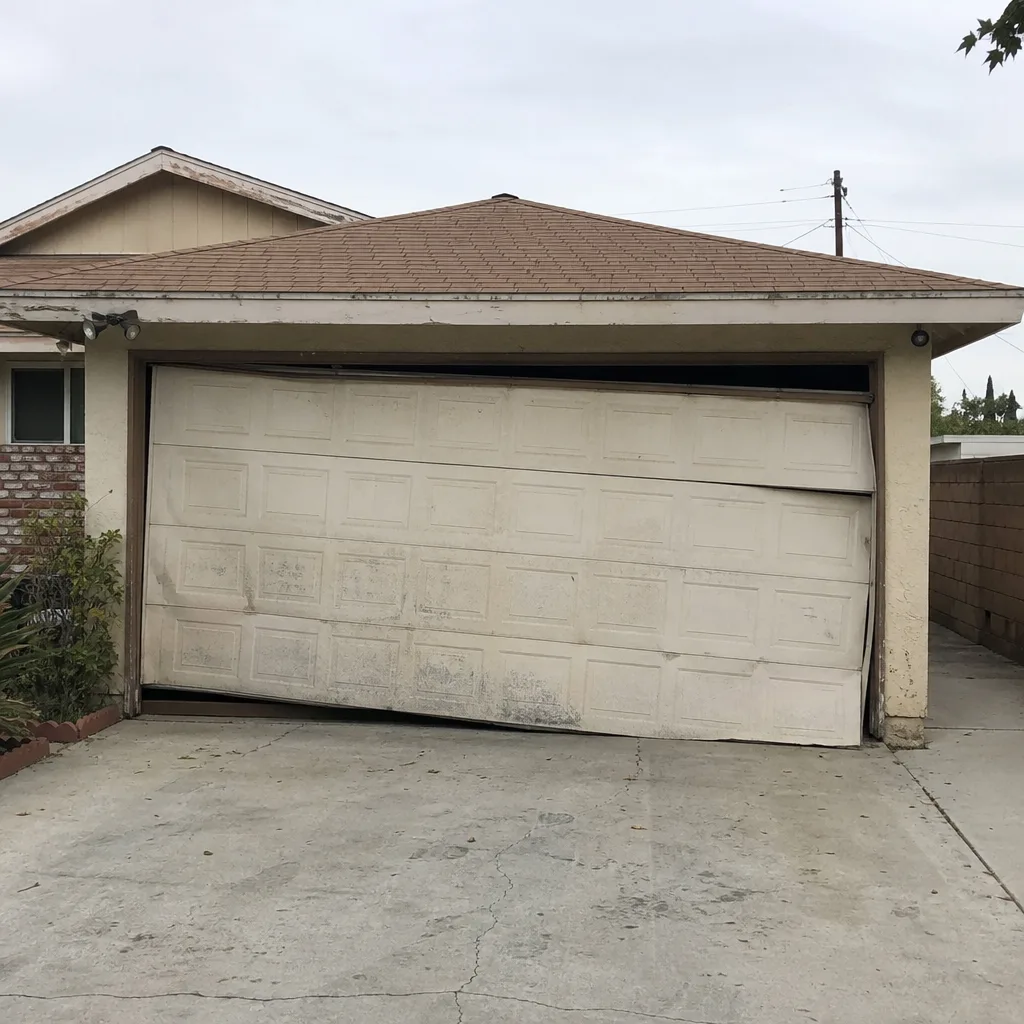 Before
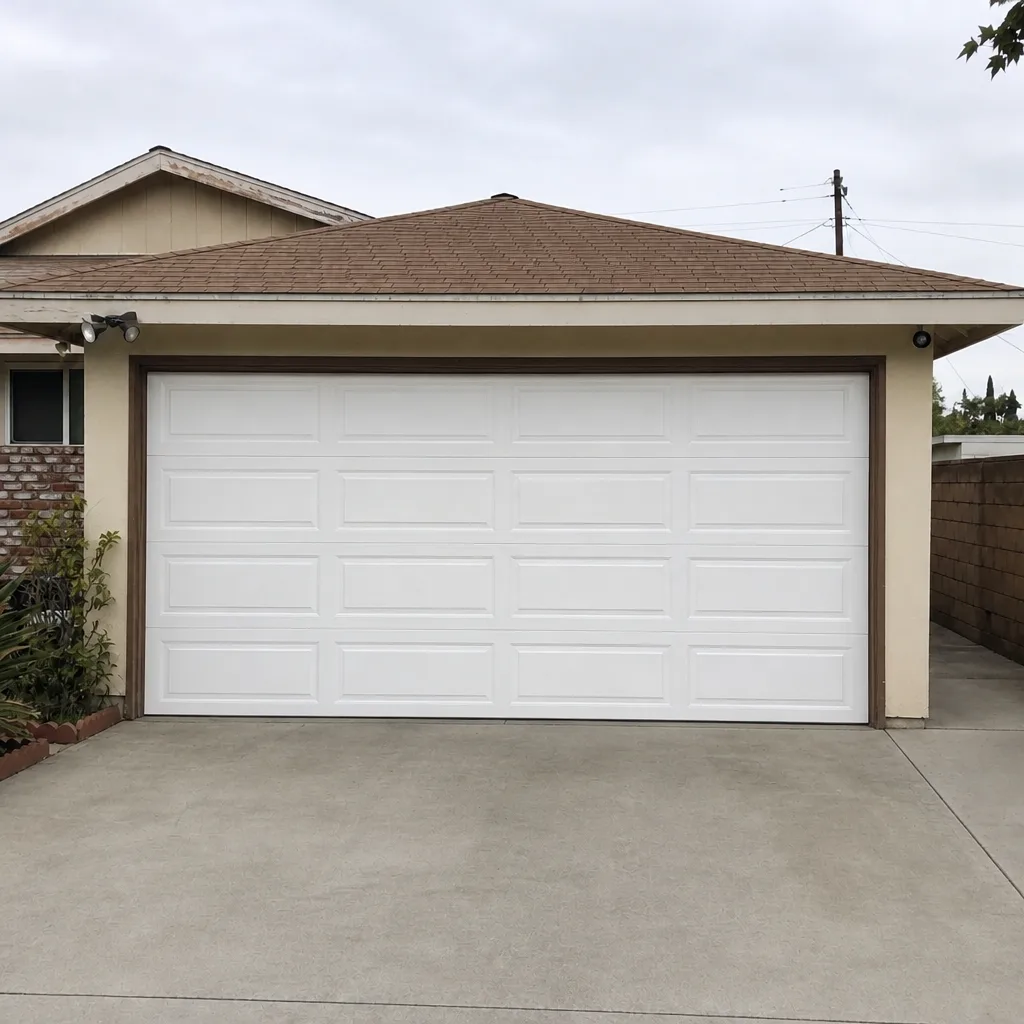 After
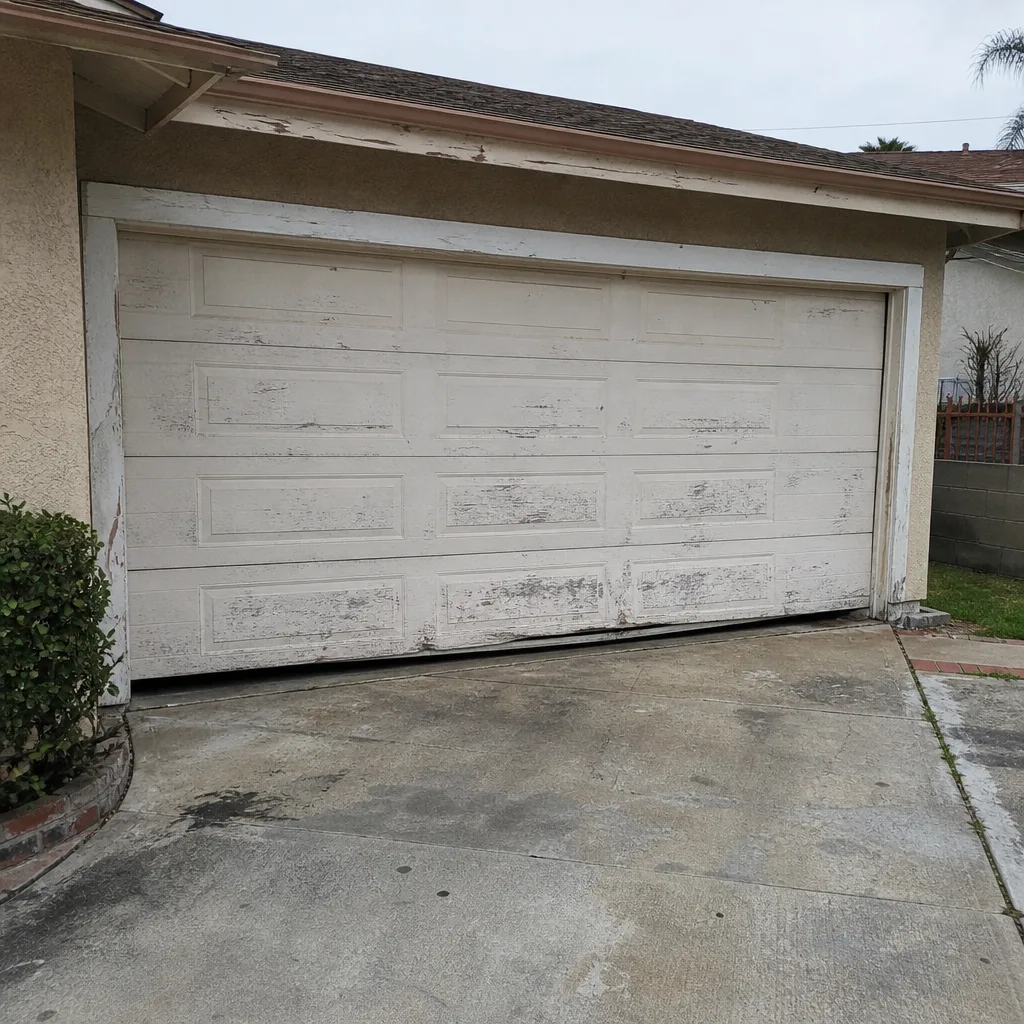 Before
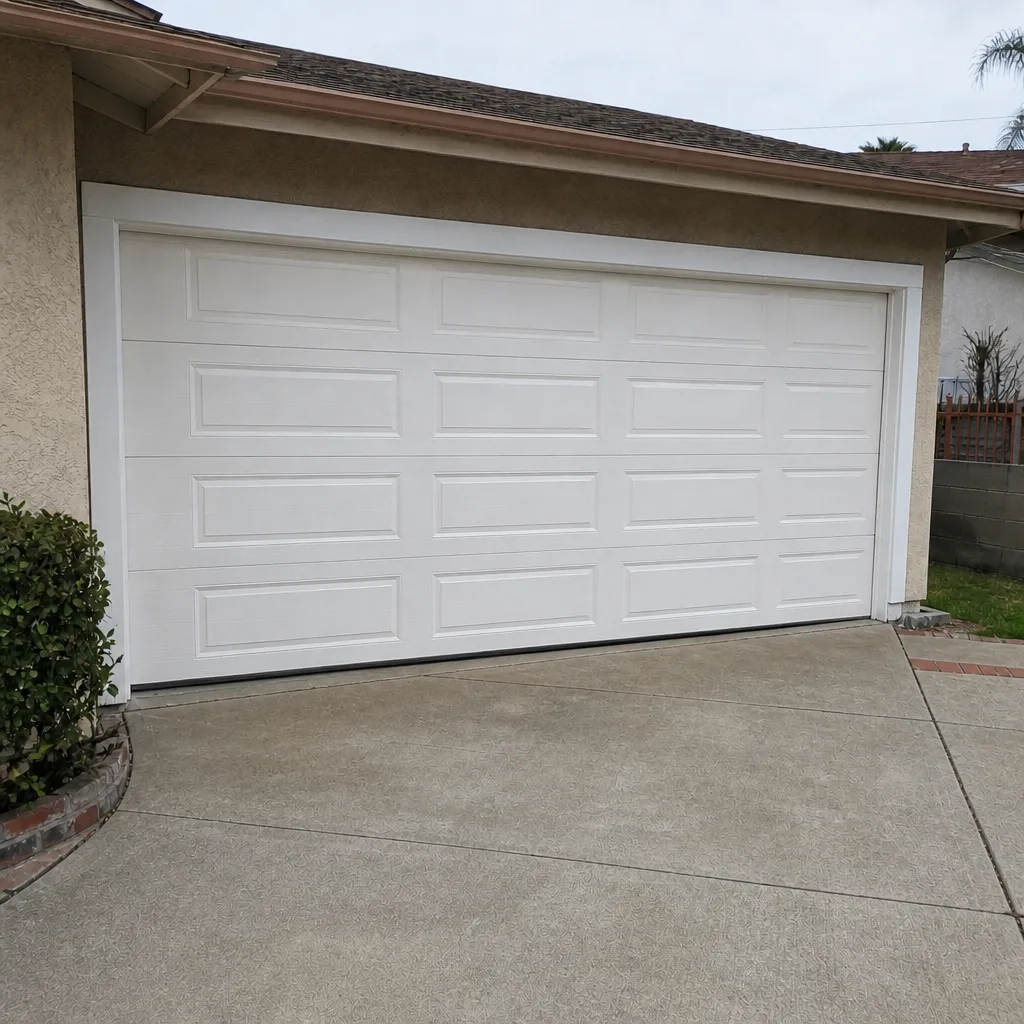 After
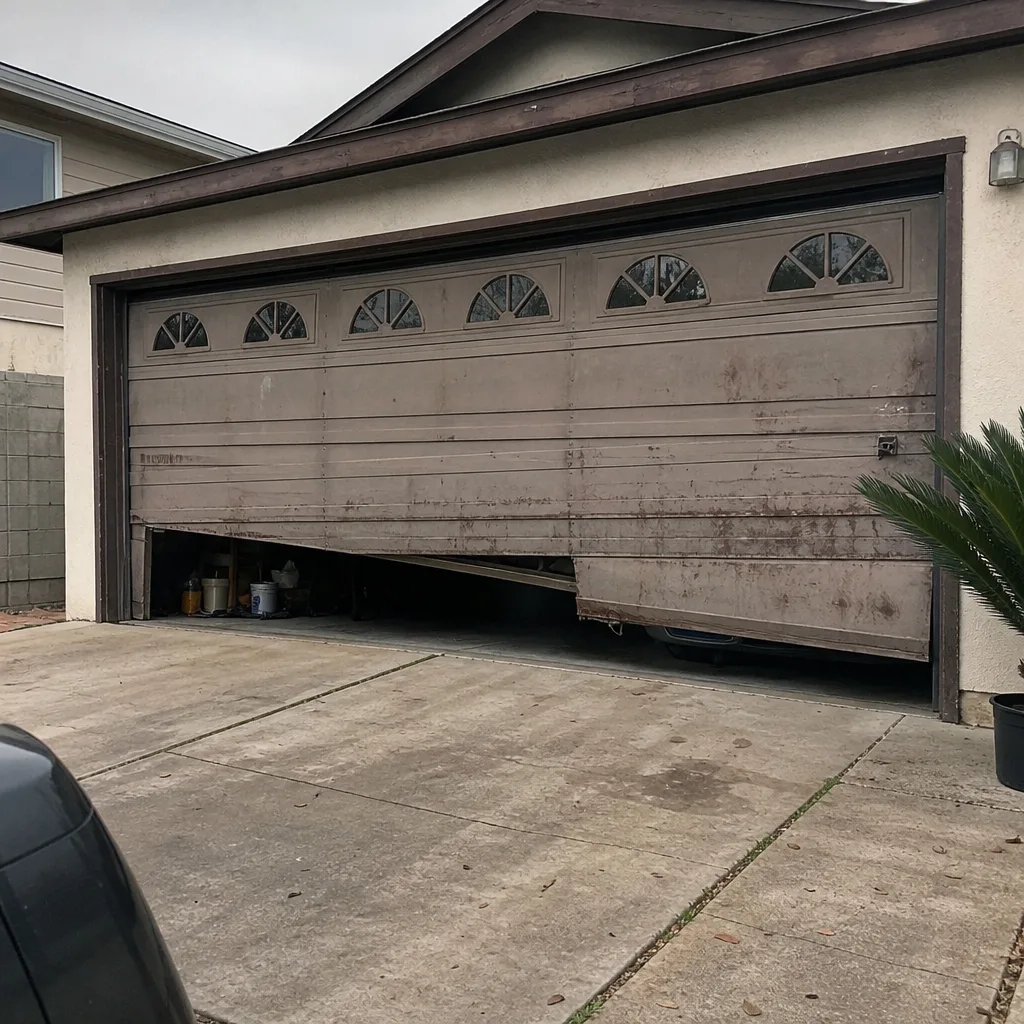 Before
 After