
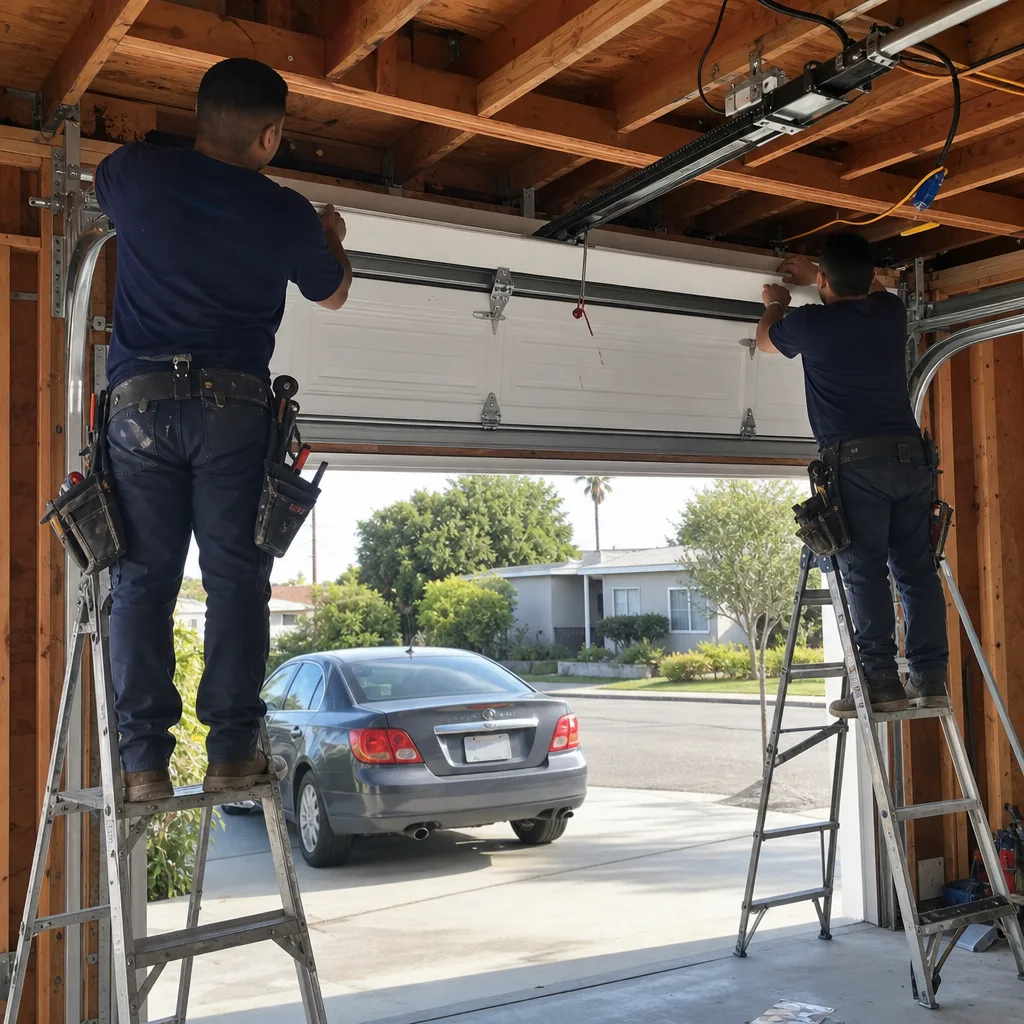
Last updated November 4, 2026
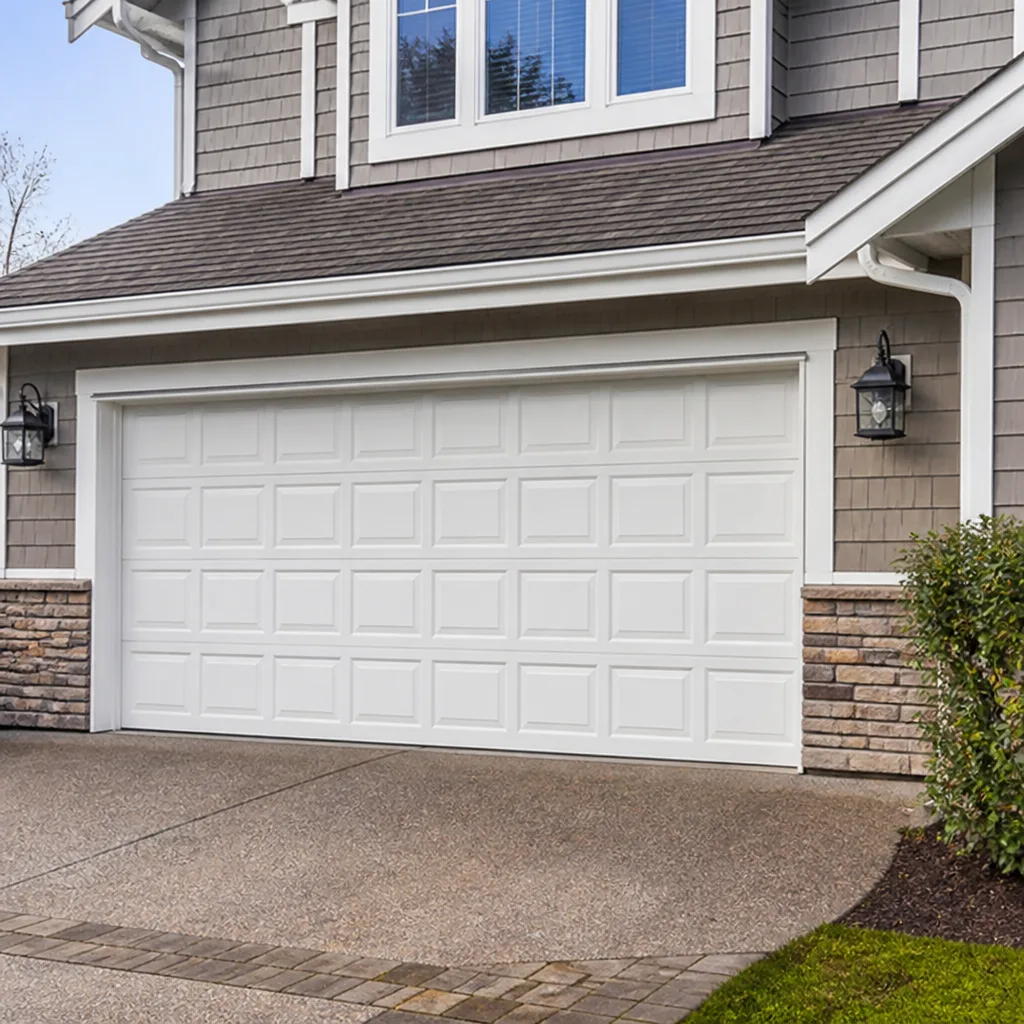 Raised-panel steel
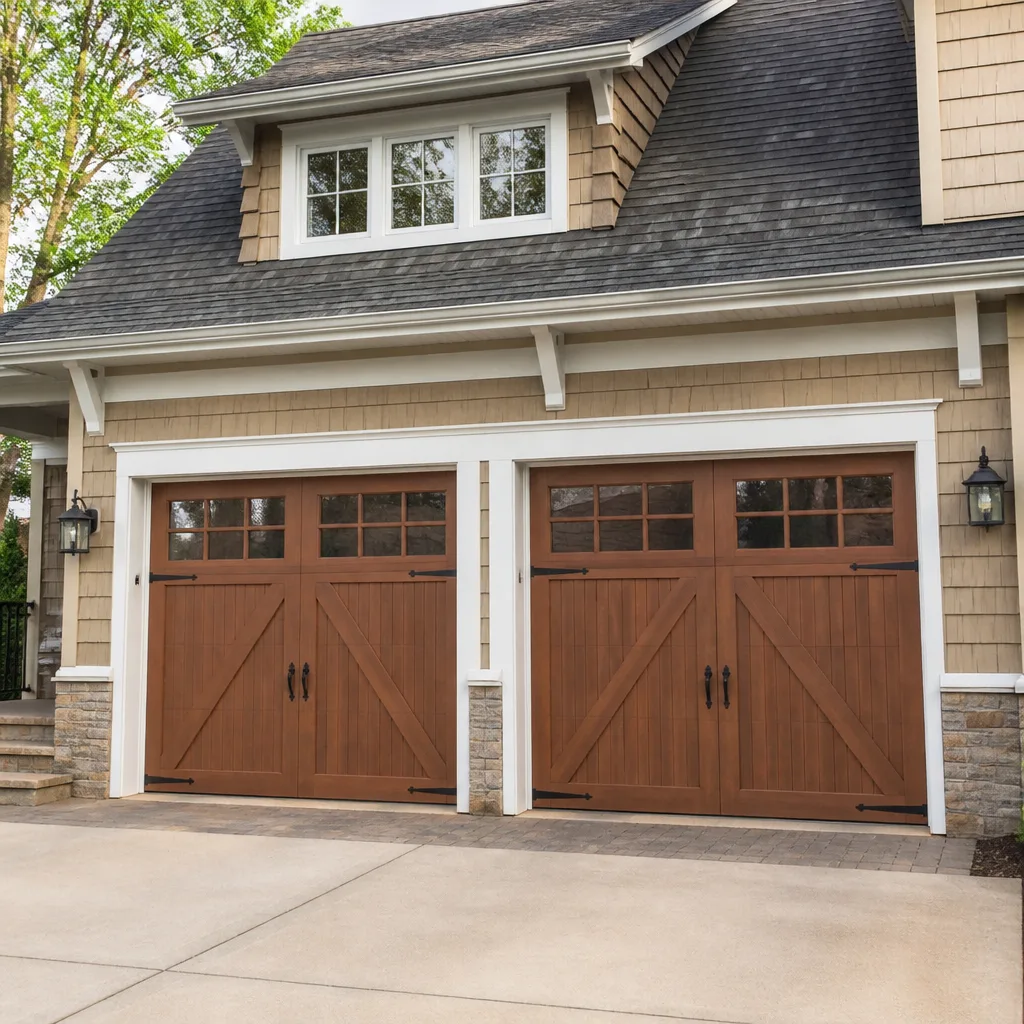 Carriage house
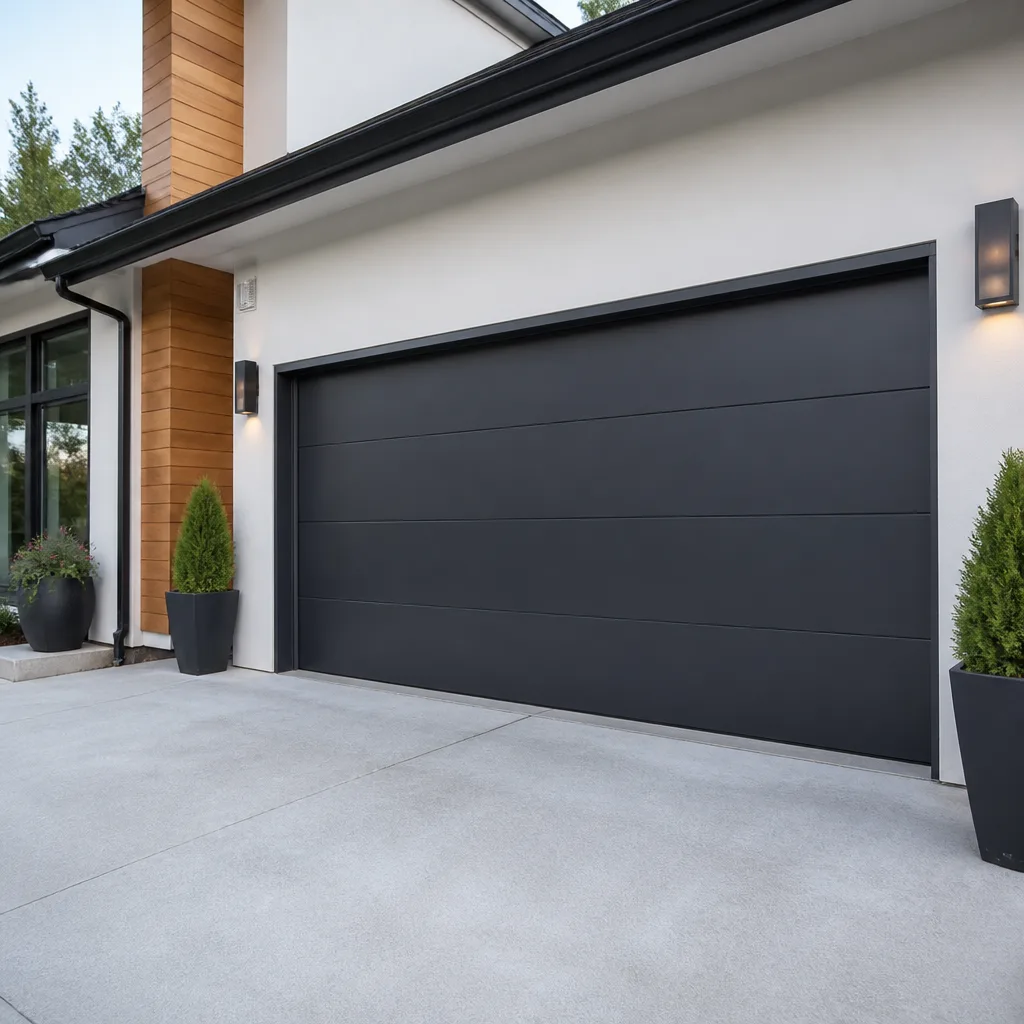 Modern flush
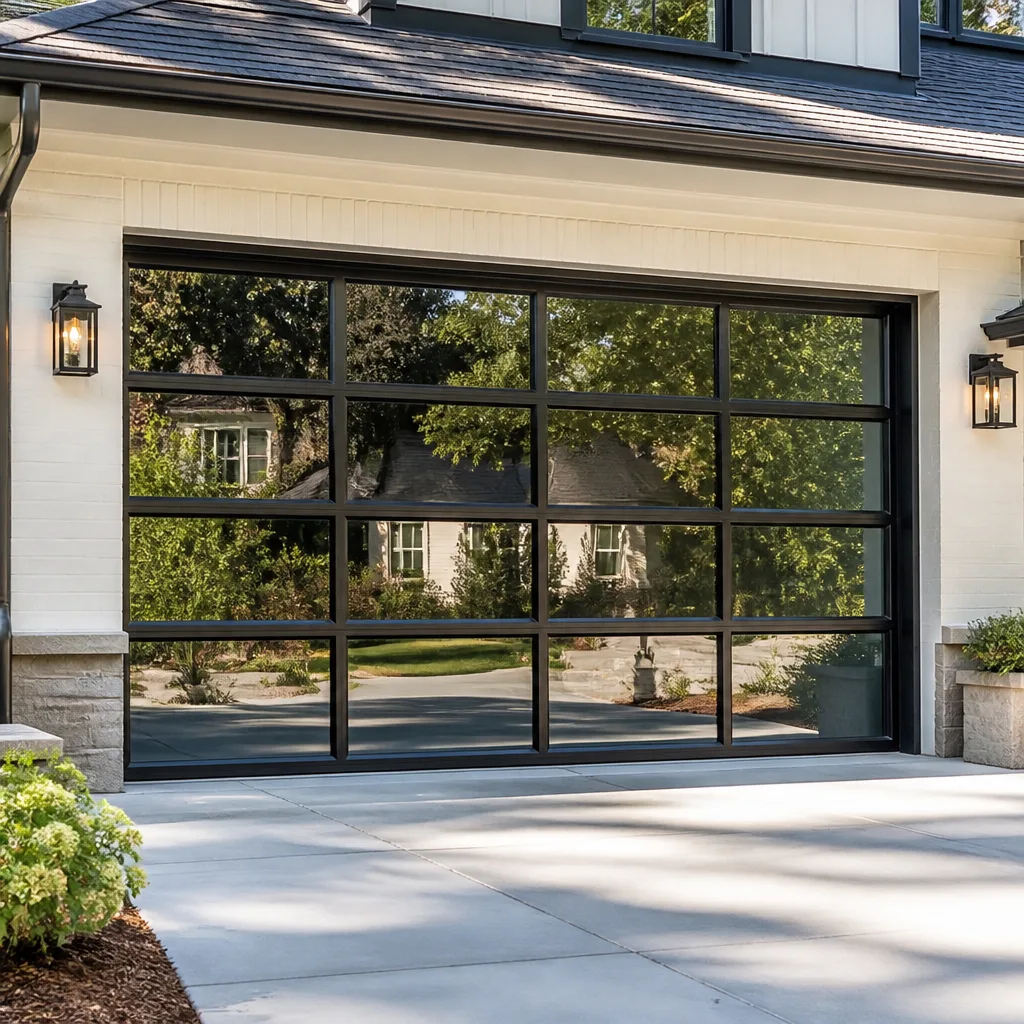 Full-view glass
 LiftMaster openers
 Chamberlain openers
Full 25-point door and opener safety check with every visit - springs, cables, rollers, tracks, and your LiftMaster or Chamberlain opener included
You get a price before we start. It does not change when the pro arrives.
Get your free estimateGarage Door Repair Maintenance Schedule: What to Do and When
Most homeowners treat garage door maintenance as an afterthought, but that assumption is why torsion springs snap at full load and roller shafts carve grooves into tracks. The truth is that your garage door has a maintenance timeline, not a maintenance guess. Specific components degrade on measurable schedules, and Garden Grove’s heat and humidity compress some of those timelines in ways that generic advice completely misses. This guide lays out a component-specific maintenance calendar tied to real failure intervals, so you know exactly what to check, when to check it, and what to leave alone.
Quick Answer
A complete garage door maintenance schedule breaks down by part: torsion springs need a cycle-count estimate every two years, cables need a visual inspection every six months, rollers need replacement roughly every 3 years, and weatherstripping needs checking before and after every summer in Garden Grove. Lubricate moving metal parts twice yearly with a lithium-based grease or silicone spray, and run a 5-minute balance test every season. Book a full professional inspection once a year.
Styles & brands we work with
- Raised-panel steel
- Carriage house
- Modern flush
- Full-view glass
- LiftMaster openers
- Chamberlain openers
Table of Contents
- Spring Maintenance: The 10,000-Cycle Clock
- A Month-by-Month Maintenance Calendar
- What to Lubricate, What to Leave Dry, and Why
- The 5-Minute Balance Test You Can Run Yourself
- Roller Replacement: The 3-Year Interval Most Guides Skip
- Weatherstripping and Garden Grove Humidity
- Where DIY Ends and Professional Service Begins
- Common Mistakes to Avoid
- When to Call a Professional
- Frequently Asked Questions
Spring Maintenance: The 10,000-Cycle Clock
Torsion springs are not designed to last the life of the door. They are rated for a specific number of open-and-close cycles, usually 10,000 for standard residential springs. A household that opens its garage door 4 to 6 times a day in Garden Grove, where commutes to Costa Mesa, Anaheim, and Irvine are routine, will burn through that rating in roughly 5 to 7 years. The spring can look completely fine the day before it fails, because the metal fatigues internally before it shows external cracks.
That means spring maintenance is less about lubrication and more about knowing your cycle count. A simple starting point is honest reflection on how many times the door goes up and down daily. Once you pass the 5-year mark on the original springs, start treating replacement as a scheduled item rather than an emergency. Our techs regularly replace springs on Clopay and Amarr doors in Garden Grove that are 6 to 8 years old and already well past their rated life.
If you want a more precise reading, a service call can include a visual inspection for gaps in the coil, rust pitting, and loss of tension. A spring that is stretched, showing daylight between coils, or making a popping sound during travel is giving you a warning sign. Do not touch the springs yourself. The tension in a loaded torsion spring is genuinely dangerous, and releasing it improperly is a serious injury risk. Leave spring inspection and replacement to a trained professional.
How to Estimate Your Garage Door’s Cycle Count
- Count how many times the door opens and closes in one average day. Most households land between 4 and 6 full cycles.
- Multiply that number by 365 to get your annual cycle load. At 5 cycles per day, that’s 1,825 cycles per year.
- Divide 10,000 by your annual figure. In that example, you have about 5.5 years of rated life.
- If the spring shows any rust, gaps, or imbalance before that threshold, schedule an inspection sooner.
A garage door repair professional can confirm whether your spring is approaching failure. In Garden Grove, where many homes use double-wide doors on attached garages, the spring assembly is often underrated for the weight of an insulated steel door, which shortens the real-world lifespan further.
A Month-by-Month Maintenance Calendar
Maintenance does not need to be a monthly project. Most of it clusters around two seasonal checkpoints per year, plus a few lightweight habits you can handle in under 10 minutes. The goal is to catch wear before it becomes failure, especially before the summer months when Garden Grove’s combination of heat and humidity accelerates corrosion on metal hardware and swelling in wood panels.
The Seasonal Rhythm
Most of what a garage door needs falls into two concentrated sessions: one in late spring, before the heat and humidity peak, and one in late fall, after summer has done its damage. Between those two sessions, running the balance test and eyeballing the cables takes less than 5 minutes.
January through March
- Run the balance test once. The door should hold position at the halfway point without drifting up or slamming down.
- Check the weatherstripping at the sides and bottom for cracks caused by the previous dry season. Garden Grove’s mild winters mean the rubber stays flexible longer, but UV exposure still dries it out.
- Listen to the door during a full open-close cycle. Grinding, popping, or squealing that changes with the weather points to a component under stress.
April through June
- This is the critical pre-summer inspection window. Humidity increases, and any exposed cable strands begin to corrode faster.
- Inspect the torsion spring for rust and coil gaps. A clean spring is a healthy spring; a pitted spring is a countdown.
- Clean and lubricate the metal rollers, hinges, and bearing plates. More detail on the right products below.
- Test the auto-reverse function: place a roll of paper towels flat on the ground under the door and close it. The door should reverse on contact.
July through September
- Inspect weatherstripping again. Summer heat in Garden Grove bakes the bottom seal against hot concrete, and cracks open paths for dust and pests.
- Check wooden door panels for swelling around the edges. Humidity causes wood to expand against the frame, and that binding puts load on the opener and springs.
- Watch for a door that hesitates at the start of the cycle or stutters mid-travel. That is often the opener straining against a misaligned track or failing capacitor.
October through December
- Do a full cable inspection. Look for frayed strands at the bottom bracket and at the drum.
- Check roller play. A roller that wobbles in the track has a worn bearing and should be replaced before it chews up the track.
- Clean the photoelectric sensors and confirm they are aligned. A surprising number of “openers that won’t close” in Garden Grove turn out to be dirty sensors.
This cadence reflects what we see across Wayne Dalton and Genie systems in Garden Grove: seasonal checks catch most issues before they strand a homeowner with a door that won’t operate.
What to Lubricate, What to Leave Dry, and Why
Most maintenance guides say “lubricate your garage door” as if the entire mechanism wants the same product. That is exactly how plastic rollers get gummy, painted tracks get caked with residue, and rubber seals prematurely degrade. The rule is not complicated: metal on metal gets lubricated, plastic and rubber get nothing, and the track is a dry surface.
What Gets Lubrication
- Hinges – the pivot points where sections fold. Use a lithium-based grease or a spray silicone.
- Rollers with metal bearings – a few drops or a short spray into the bearing. Nylon rollers with sealed bearings need less frequent attention.
- Bearing plates – the brackets at each end of the torsion tube.
- Spring surfaces – a thin coating of spray grease to slow rust, not to quiet the spring. A quiet spring is not the goal; a rust-free spring is.
What Stays Dry
- The track – rollers roll on the track; they do not need it greased. Lubricating the track attracts dirt, and dirty tracks cause roller wear and noise.
- Nylon rollers – most of them are self-lubricating. Adding grease can soften or swell the plastic.
- Weatherstripping and rubber seals – petroleum-based lubricants break down rubber. Use a silicone-based protectant if anything, and only sparingly.
- The belt or chain on the opener – belts are maintenance-free. Chains tolerate a small amount of lithium grease, but most openers are designed to run clean.
As a practical rule, twice a year is enough for lubrication in Garden Grove. More frequent application just builds up residue. If you see black gunk around your hinges after lubricating, you are using the wrong product or too much of the right one. A garage door opener repair visit can also clarify whether a noisy drive system is a lubrication issue or a failing gear.
The 5-Minute Balance Test You Can Run Yourself
A balanced door is a door where the springs are doing their share of the work. When a spring weakens or breaks, the opener motor picks up the slack, and that is how you burn out a gear or a capacitor prematurely. Testing balance takes two minutes and tells you more about spring health than a visual inspection ever will.
- Close the garage door completely.
- Pull the red emergency release cord to disconnect the door from the opener carriage.
- Lift the door manually to the halfway point. A properly balanced door will stay in place, held by the springs.
- Let go. If the door drifts up, the springs are over-tensioned. If it drops down, they are losing tension or already broken on one side.
- Lift and lower the door manually a few times. It should move with steady, moderate resistance. If it feels heavy or jerky, the spring system needs professional attention.
Run this test seasonally, and always reconnect the door to the opener by pulling the release cord toward the door and running the opener until it re-engages. Never attempt this test if you suspect a broken spring: a door with a snapped torsion spring can fall hard and fast. If you find a two-inch gap in the spring coil during a visual check, stop and call a pro.
Roller Replacement: The 3-Year Interval Most Guides Skip
Rollers are the most overlooked wear item on a garage door. The average steel roller with unsealed bearings runs rough and gets noisy after about 3 years of daily use in Garden Grove’s climate, where fine dust works into the bearing and humidity contributes to surface corrosion. Nylon rollers with sealed bearings last longer, often 5 to 7 years, but they are not immune.
Signs that rollers are done include a visible wobble when the door moves, metal-on-metal scraping, or flat spots on the rolling surface. A worn roller does more than make noise: it allows the door to ride slightly out of alignment, which shifts load to the track and can damage the track over time. Replacing a set of rollers is a straightforward job, but it involves working under spring tension, which is why it belongs on the professional side of the line.
Roller Types and What They Mean for Maintenance
- Steel rollers with unsealed bearings – noisy, prone to dust intrusion, replace every 2 to 3 years.
- Nylon rollers with ball bearings – quieter, smoother, typically last 5 to 7 years.
- Nylon rollers with sealed bearings – the longest-lived option, still worth an annual check for wobble.
If your door has rollers that look original and the door is older than 5 years, assume they are due. In our experience across Garden Grove, swapping a tired set of rollers is one of the cheapest single changes that noticeably quiets and smooths the door. The door is your home’s largest moving part, and worn rollers are the first place that movement starts to degrade.
Weatherstripping and Garden Grove Humidity
Garden Grove’s climate is not hard on weatherstripping the way desert heat or mountain cold is, but what it does instead is more subtle: the humidity cycling between damp mornings and hot, dry afternoons causes rubber to expand and contract repeatedly. Over time, that cycling produces fine cracks in the bottom seal, and the UV exposure from a south-facing garage door then widens those cracks into gaps. Gaps let dust, bugs, and humid air into the garage, and a torn side seal is a standing invitation to rodents.
Check the bottom seal every spring and fall. The telltale signs are light visible under the closed door, visible cracks along the rubber profile, or a seal that has flattened and no longer contacts the concrete evenly. Side and top seals made of vinyl or rubber should be inspected at the same time, especially if the garage is attached to the house and you are concerned about air exchange with the living space.
Weatherstripping Replacement Intervals
- Bottom seal – replace every 2 to 4 years, depending on sun exposure.
- Side and top seals – replace every 5 to 7 years unless they are already cracked or compressed.
- Threshold seal – optional in Garden Grove, but useful if the garage floor slopes toward the house and you have standing-water issues during winter rain.
For homeowners with wood doors from manufacturers like Clopay or Wayne Dalton, humidity also affects the panels themselves. Wood that has not been properly sealed can absorb moisture and swell, causing the door to bind against the frame. If your wooden door sticks only in late summer, panel swelling is the likely culprit, and it is worth addressing before the swelling turns into panel warping.
Where DIY Ends and Professional Service Begins
The line between owner maintenance and professional work is drawn by one thing: whether the component is under load. Anything that carries or releases spring tension is a professional job. That includes torsion springs, extension springs, cables, bottom brackets, and any work that involves removing or loosening the spring assembly. A cable that has slipped off the drum is not a “put it back on” job; it means the spring tension is wrong or the drum is damaged, and both conditions require a trained technician.
Beyond the tension components, there is a second category where professional tools and training matter: opener electronics and safety systems. Adjusting travel limits and force settings is simple in principle, but the wrong force setting is exactly what causes a door to fail its auto-reverse test and become a genuine safety hazard. Photocell alignment is easy; diagnosing a failing logic board is not.
What owners can safely handle: lubrication, weatherstripping inspection and replacement, balance testing, visual cable inspection, and basic cleaning of sensors and tracks. What owners should leave alone: spring replacement, cable repair, track realignment that requires loosening brackets, and anything involving wiring beyond plugging in a portable device.
Having a single company that handles both the door and the opener simplifies this. Raven Garage Door Repair works across brands including Genie, Clopay, Amarr, and Wayne Dalton, so a mixed-brand setup, such as a Genie opener on a Clopay door, does not mean coordinating between two different specialists. One call, full fix.
Common Mistakes to Avoid
- Greasing the track because someone said a noisy door needs lube. Grease on the track turns into a grinding paste of dust and grit. The noise almost always comes from rollers or hinges, not the track surface.
- Using WD-40 as a garage door lubricant. WD-40 is a water displacer and cleaner, not a durable lubricant. It strips existing grease and leaves moving parts running dry within a week.
- Ignoring a door that opens and closes every day without drama. Silent wear is still wear. The spring that snaps with no warning was self-destructing quietly for a year before it let go.
- Replacing one spring on a two-spring door to “save money.” The remaining spring is already at end of life and will fail soon. A matched pair should be replaced together, and the cost difference is small compared to another service call.
- Powering through a binding door with the opener. If the door sticks and the opener muscles through it, every cycle wears the gear, capacitor, and spring system. Address binding immediately instead of turning the force setting up.
- Assuming a newer door does not need maintenance. New doors still have springs with finite cycles, rollers that wear, and seals that crack. New does not mean maintenance-free.
- Calling a generalist handyman for spring work. This specific repair requires training, the right tools, and the right parts. Diagnosed and fixed, not guessed and replaced.
When to Call a Professional
Call a professional if you find a visible gap in a torsion spring, frayed cables, a door that will not stay balanced, a roller that has come out of the track, or an opener that reverses immediately on closing after you have cleaned and aligned the sensors. Any of those conditions means the system is unsafe to operate or about to become so. Raven Garage Door Repair offers free estimates in Garden Grove – call (866) 616-5011. We answer 24/7. Fast dispatch from 7am to 7pm, Sunday through Friday.
We work on your brand, whether that is a Genie opener, a Clopay door, an Amarr panel, or a Wayne Dalton spring assembly. Multi-brand households are the norm in Garden Grove, and a technician who only knows one product line is a technician who cannot diagnose the system as a whole. Sharp eyes, right parts, done right.
Frequently Asked Questions
Run a balance test and visual cable check every season, lubricate metal moving parts twice a year, and book a full professional inspection once a year. Garden Grove’s humidity makes the pre-summer inspection the most important one, since that is when cable corrosion and panel swelling start to accelerate.
Standard torsion springs are rated for 10,000 cycles, and the typical Garden Grove household uses 4 to 6 cycles a day, which works out to roughly 5 to 7 years of service. Heavier insulated doors and higher daily cycle counts shorten that timeline. The written estimate after a spring inspection gives you the exact replacement cost.
Yes, with the right products. Use a lithium-based grease or silicone spray on hinges, metal bearing plates, and spring surfaces. Do not lubricate the track, do not grease nylon rollers, and do not use WD-40 as a substitute for real lubricant. Twice a year is enough.
Close the door, pull the emergency release cord, lift the door manually to the halfway point, and let go. A balanced door stays in place; a door that drifts up or drops down has a spring tension problem. Never run this test if you suspect a broken spring.
A visible wobble as the door moves, metal-on-metal grinding, flat spots on the rolling surface, or a door that is louder than it used to be. Steel rollers in Garden Grove typically need replacement every 2 to 3 years; nylon rollers with sealed bearings can last 5 to 7. Call (866) 616-5011 for an exact quote – estimates are free.
No. The price is quoted and agreed before any work starts, and the written estimate sets the final price. You will know the full cost before a single part is ordered or replaced. The estimate is free.
The Bottom Line
Garage door maintenance is not a mystery, but it is also not a single “lubricate twice a year” instruction. Springs have a hard cycle count. Rollers wear on a 3-year clock. Cables corrode faster in Garden Grove’s humid seasons than in dry inland air. Weatherstripping dies by UV and humidity cycling, not by a calendar. Run the balance test every season, keep the right lubricant on metal and off plastic and track, replace rollers on schedule, and book one professional inspection a year. The door is the largest moving part in your home. Treat it that way, and it will reward you with quiet, reliable years.
Your garage door is your home’s largest moving part – treat it that way. If you are overdue for an inspection, or if the balance test revealed a problem, call (866) 616-5011 for a free estimate. We answer 24/7. Fast dispatch from 7am to 7pm, Sunday through Friday.
Written by the team at Raven Garage Door Repair, serving Garden Grove
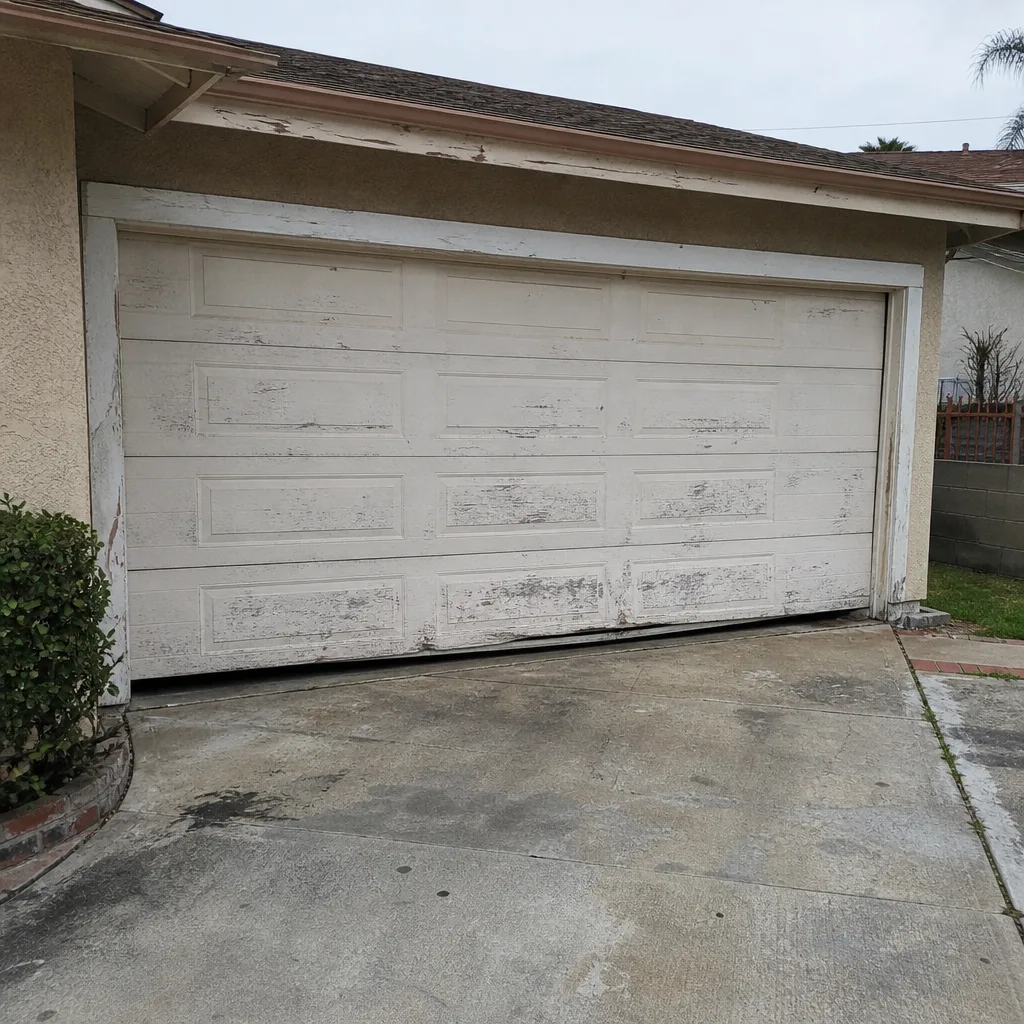
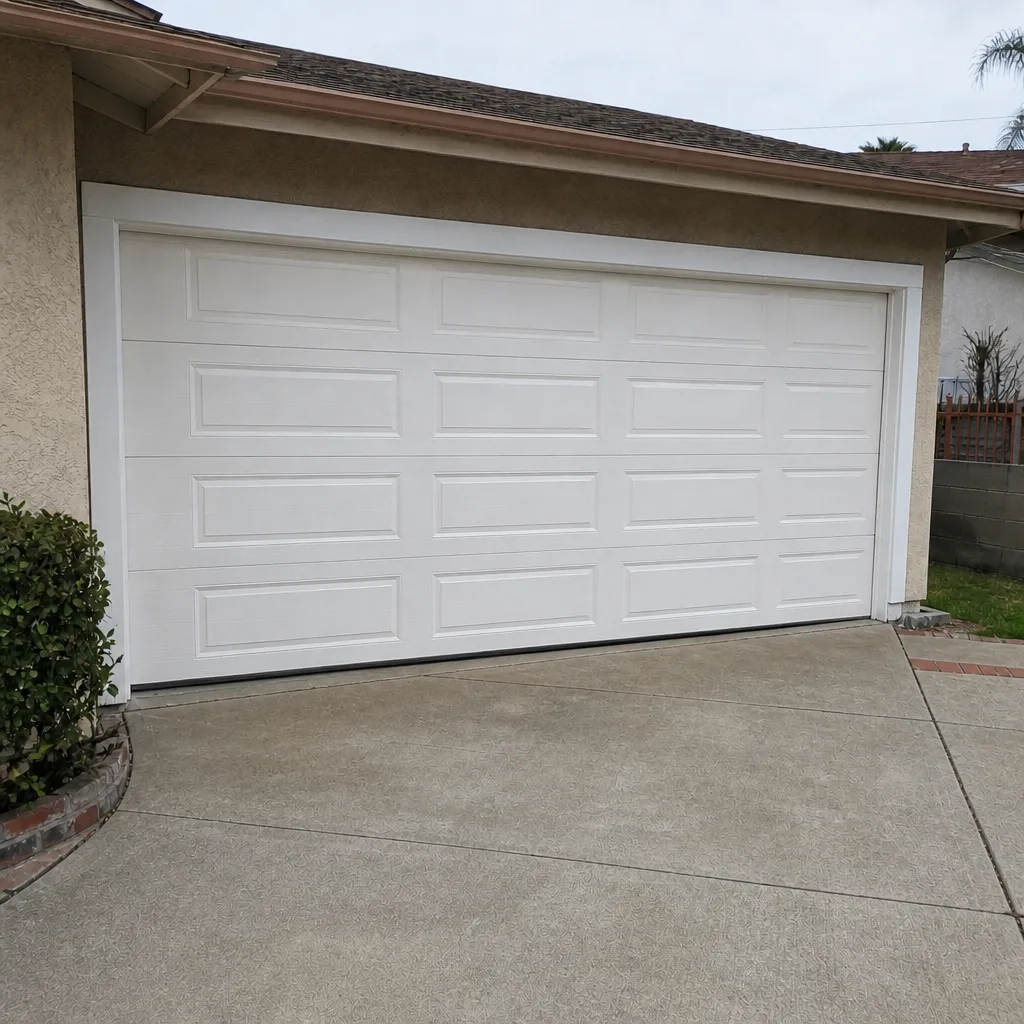
See the difference
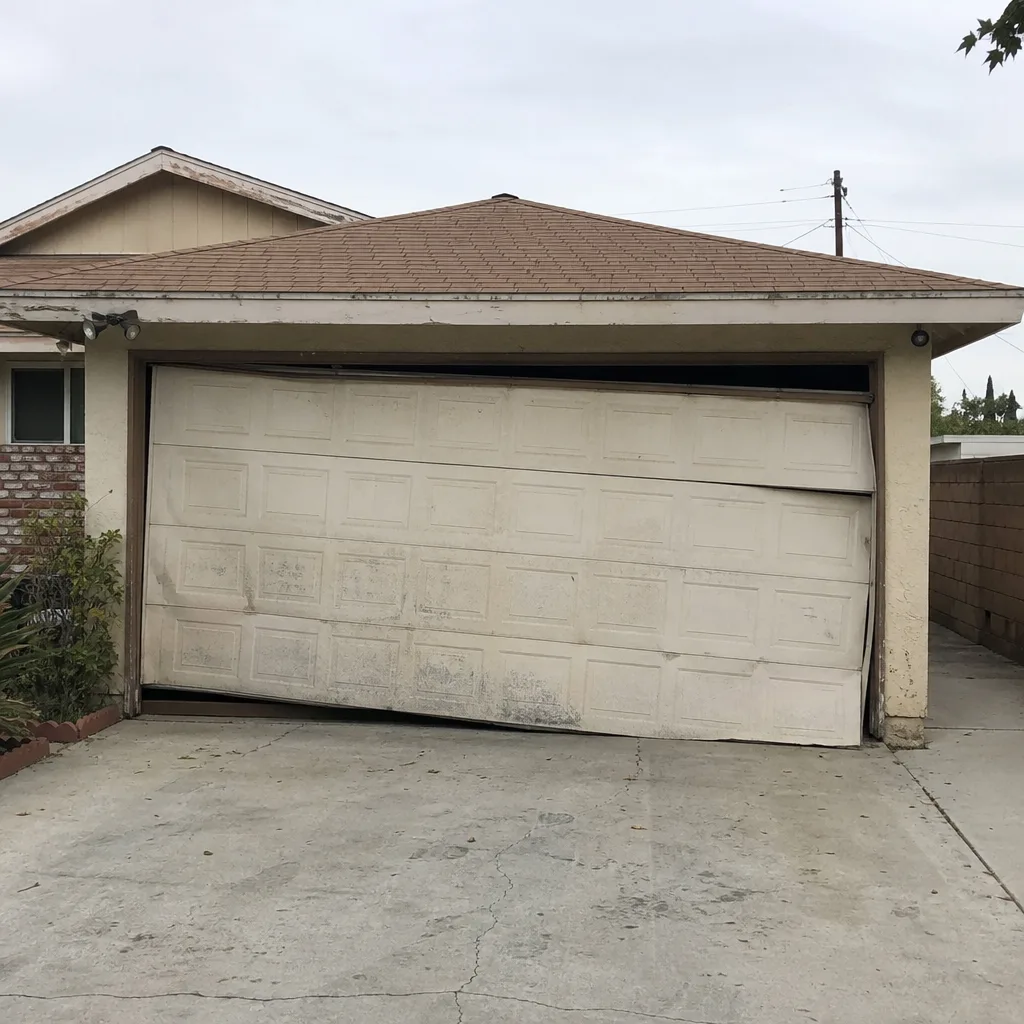 Before
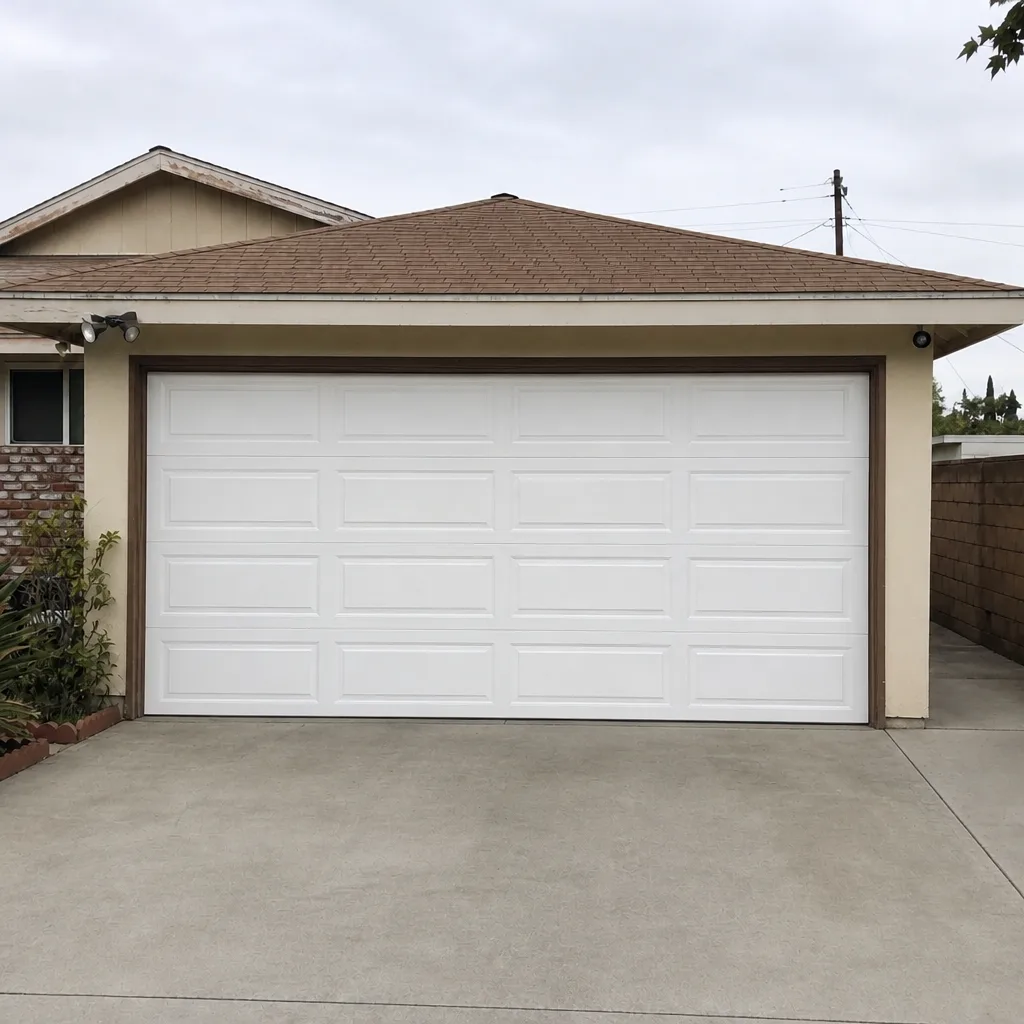 After
 Before
 After
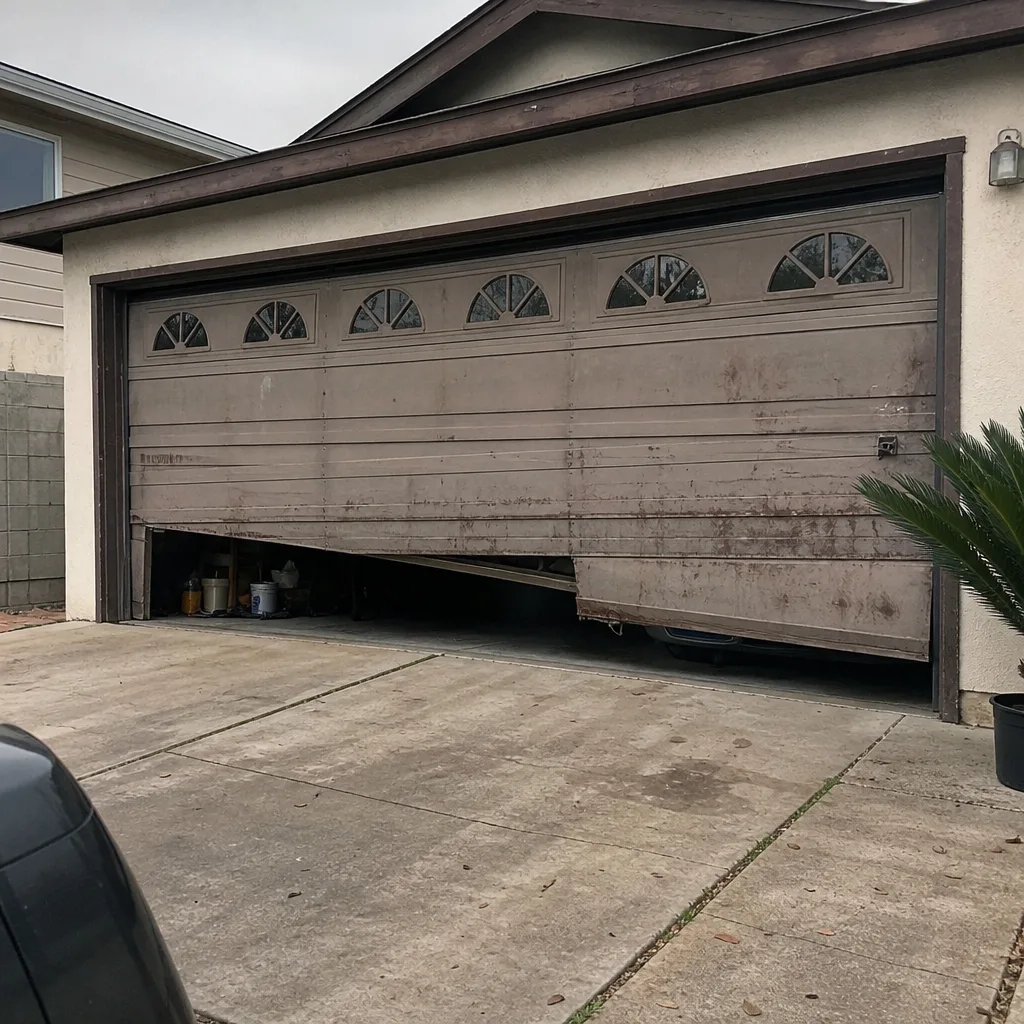 Before
 After