
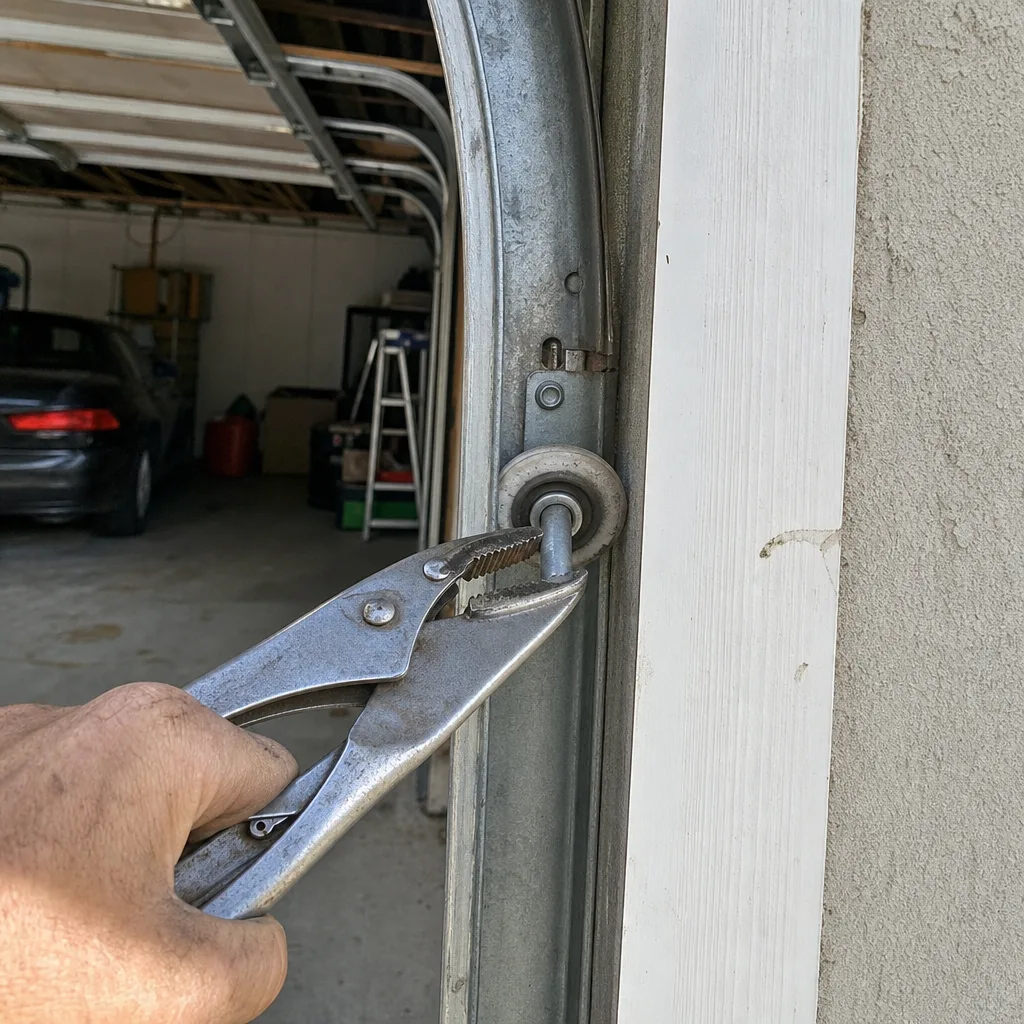
Last updated November 4, 2026
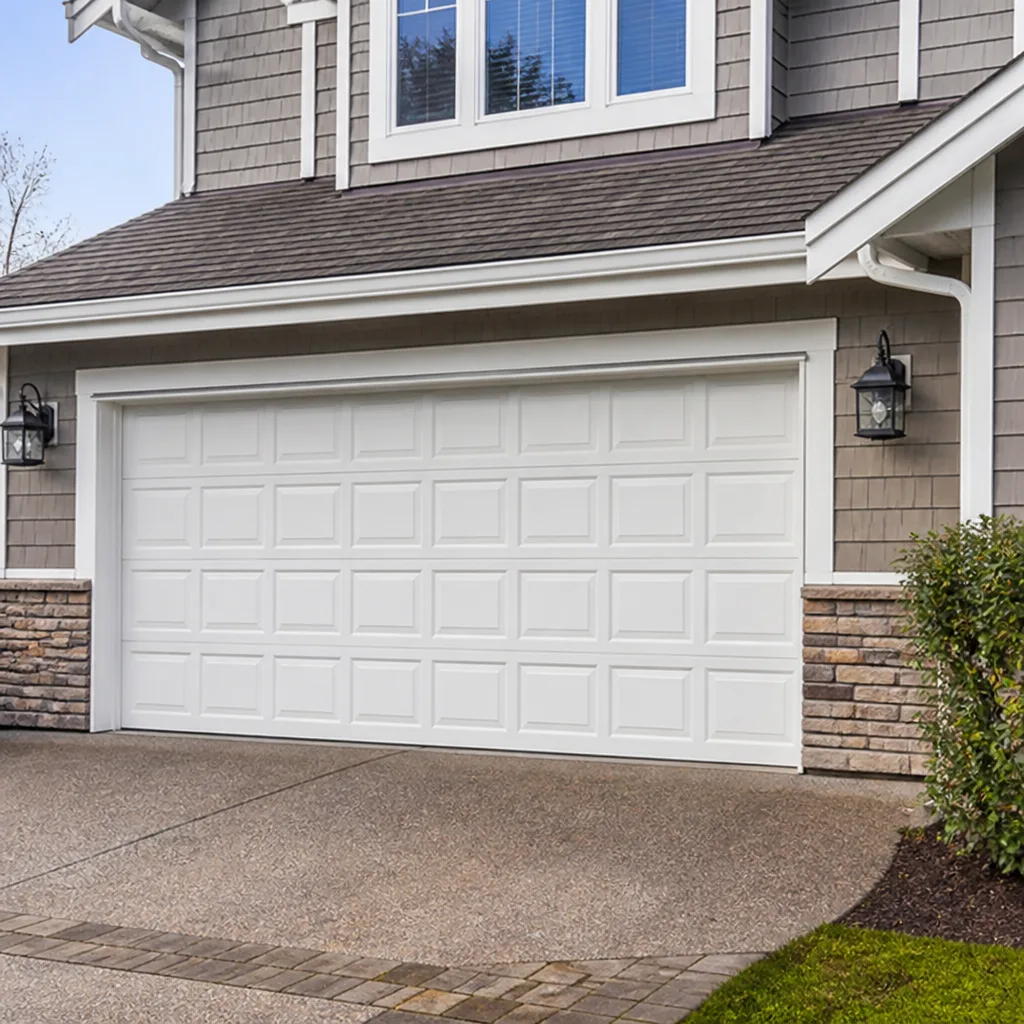 Raised-panel steel
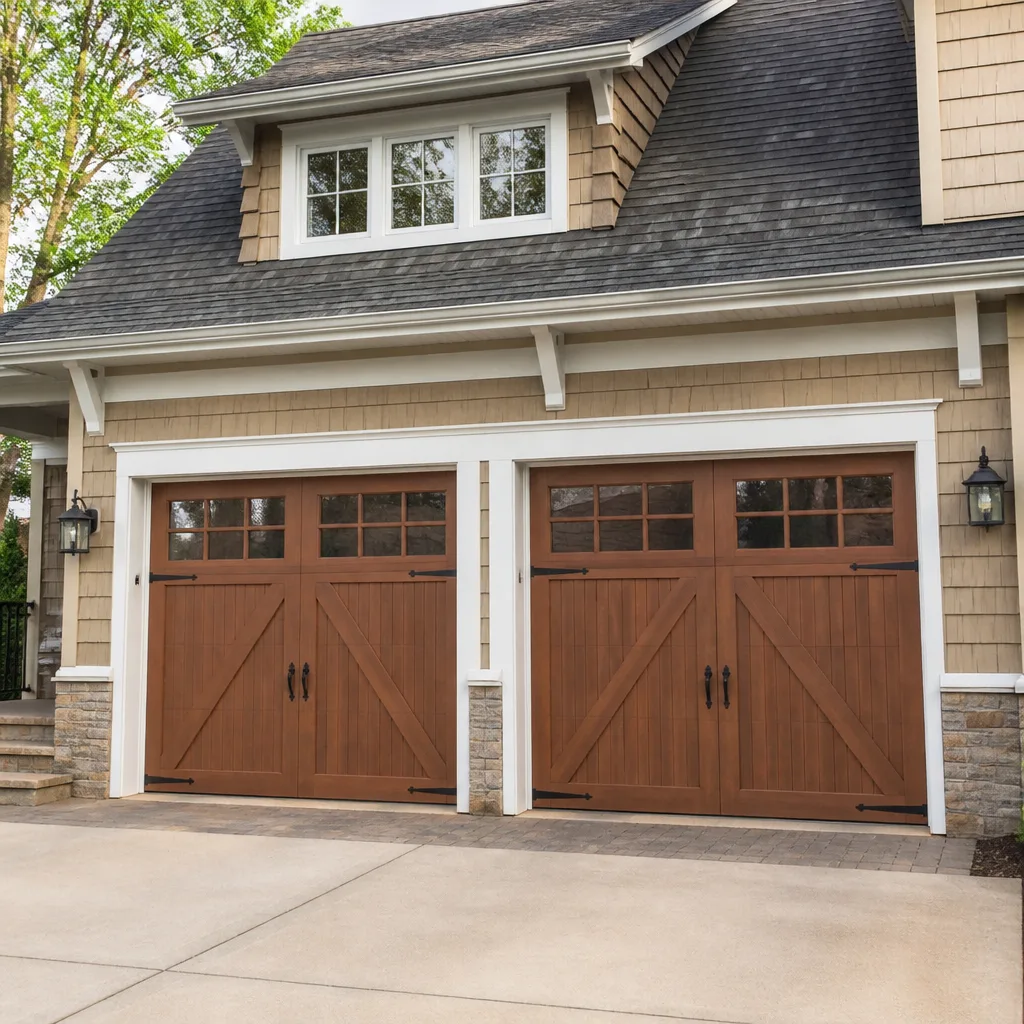 Carriage house
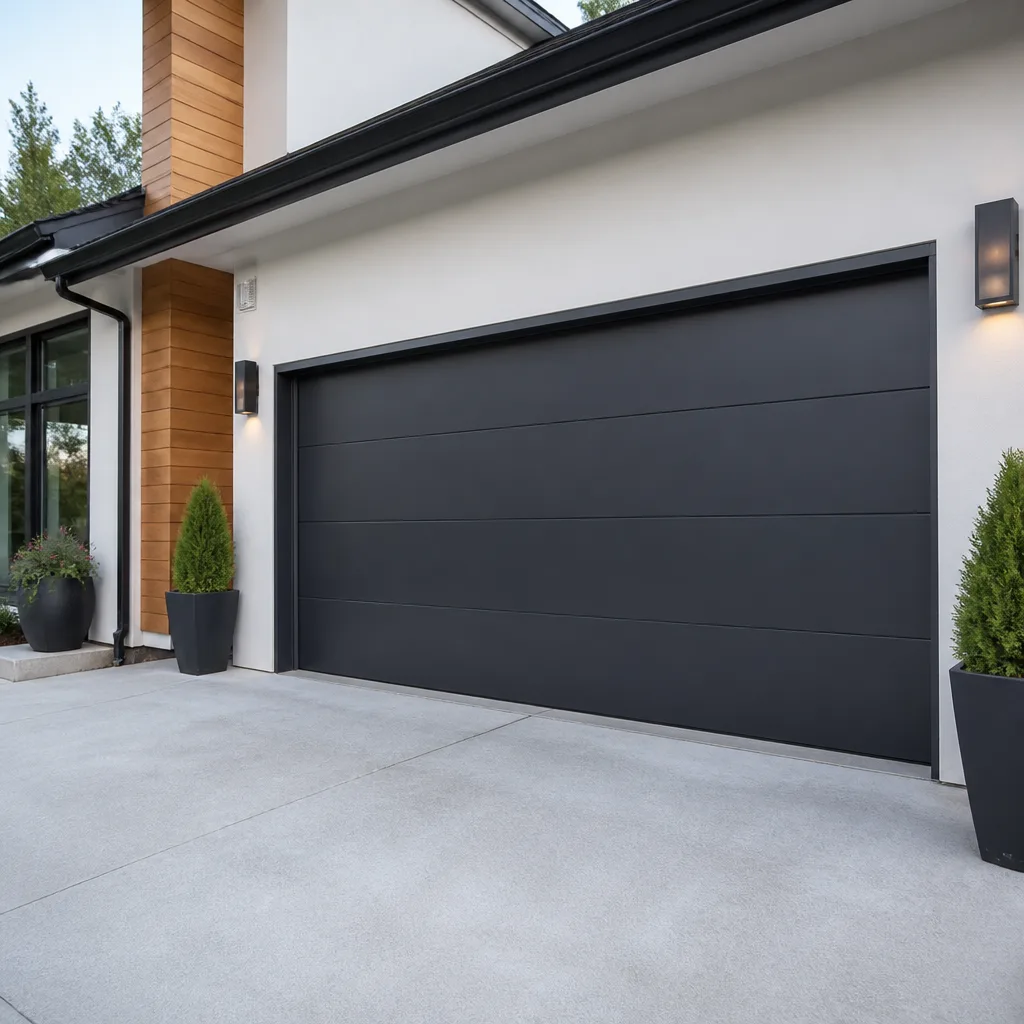 Modern flush
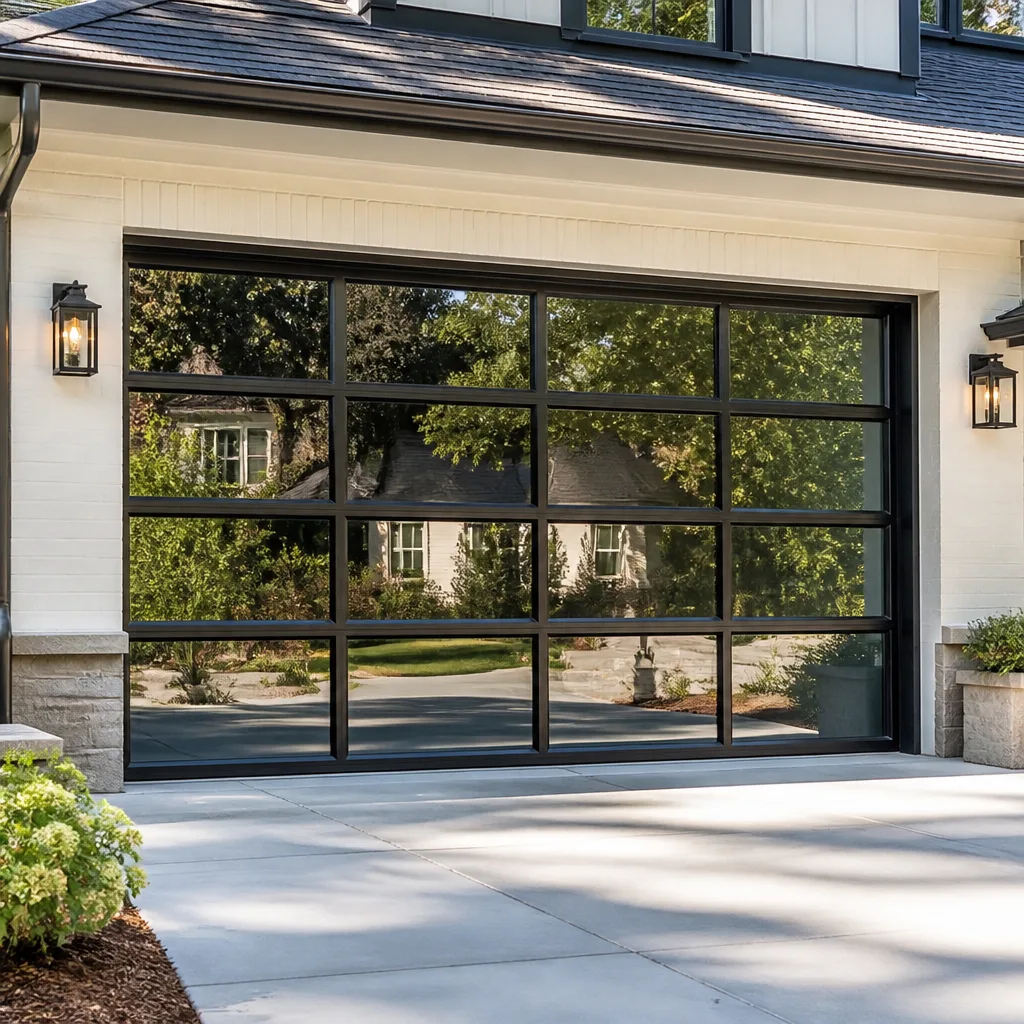 Full-view glass
 LiftMaster openers
 Chamberlain openers
Full 25-point door and opener safety check with every visit - springs, cables, rollers, tracks, and your LiftMaster or Chamberlain opener included
You get a price before we start. It does not change when the pro arrives.
Get your free estimateGarage Door Repair Troubleshooting in Garden Grove: Common Problems and How to Fix Them
The garage door is the single largest moving object in your home, and when it starts acting up, most Garden Grove homeowners reach for the wrong culprit. A door that reverses gets blamed on the sensors. A grinding noise gets chalked up to “the motor.” The truth is usually more specific, and misdiagnosis costs time and money. This guide walks through the most common failure patterns you’ll encounter, how to match the symptom to the actual component, which fixes you can safely handle, and which ones deserve an immediate call to a specialist.
Quick Answer
Most garage door problems in Garden Grove trace back to one of six components: torsion springs, cables, tracks, sensors, the opener’s logic board, or the limit switch. Start by matching the exact behavior (reversing, popping, sagging, dead keypad) to the component that produces it, not what a quick internet search suggests. Several fixes, like sensor realignment, are safe and take ten minutes; spring and cable work should always go to a trained technician because the stored tension can cause serious injury.
Styles & brands we work with
- Raised-panel steel
- Carriage house
- Modern flush
- Full-view glass
- LiftMaster openers
- Chamberlain openers
Table of Contents
- The Symptom-to-Cause Diagnostic Matrix
- How Garden Grove’s Climate Accelerates Certain Failures
- DIY-Safe Fixes vs. Pro-Only Repairs
- Brand-Specific Quirks: Chamberlain, LiftMaster, Genie
- When the Same Problem Keeps Coming Back
- What to Check First When the Opener Is Completely Dead
- What Different Garage Door Noises Actually Mean
The Symptom-to-Cause Diagnostic Matrix
Let’s flip the normal troubleshooting order. Instead of asking “what’s wrong with my garage door,” ask “which component produces this exact behavior?” Here’s the match-up we use on service calls across Garden Grove:
Door reverses before fully closing
The classic blame target is the photo-eye sensors. Sometimes that’s right. But if the reversing happens at roughly the same spot each time, and the sensor lenses are clean and aligned, check the cables. Unevenly stretched cables cause the door to descend slightly crooked, and the safety system interprets the resistance as an obstruction. In Garden Grove’s older housing stock, cable stretch from years of temperature swings is a more common culprit than sensor misalignment. We’ll cover the sensor check below, but don’t stop there.
Loud pop, then the door won’t lift
That’s a torsion spring. One spring breaks with a sharp report, and the door suddenly weighs its full amount (typically 150 to 250 pounds for a double door). The opener motor cannot compensate, and trying to lift the door manually or with the opener can damage the opener’s gears. This is a pro-only repair. Do not attempt to open the door by hand; a broken spring means the cable drums have no tension, and the door can shift unpredictably.
Door opens a few inches, then stops
If the opener hums but the door barely moves, the spring system may be failing rather than the motor. A worn spring loses tension gradually, and the opener’s force setting eventually cannot overcome the door’s weight. Some openers have a built-in force limiter that trips to protect the motor. One way to test: pull the emergency release cord and try lifting the door by hand. If it feels unnaturally heavy, the spring is the problem, not the opener.
Door moves slowly or strains on the way up
Slow operation is a compounding symptom. It can indicate a spring that’s near the end of its service life, a track that’s lost alignment and is creating friction, or rollers that have worn flat and are dragging instead of rolling. Listen for a scraping sound to differentiate. Scraping points to tracks or rollers. A smooth but labored lift points to spring fatigue.
Opener runs, but the door doesn’t move at all
This separation between motor sound and door movement usually means the opener’s drive gear has stripped. On many models, the gear is a sacrificial part made of plastic or nylon that wears out after years of use. This is an opener repair, not a door repair, and it’s one of the most common jobs we do on multi-brand systems where a LiftMaster opener has been paired with a Clopay or Amarr door.
Door closes, then opens again immediately
This is the safety reverse feature doing its job. The first check is the sensor alignment at the bottom of each track: the small LED on each eye should be solid, not blinking. Second check: the track itself. If the door binds at a specific point, the opener mistakes the resistance for an obstruction and reverses. Clean the sensor lenses, confirm the beams are level, and inspect the track for a visible bend.
How Garden Grove’s Climate Accelerates Certain Failures
Garden Grove sits in a band of Southern California that gets the marine layer in the morning and swings into warm, dry afternoons for much of the year. That daily moisture-and-dry cycle is harder on garage door hardware than people expect. It’s not a dramatic climate, but it’s a relentless one for metal under tension.
What we see more of in Garden Grove than in inland cities:
- Cable wear at the drum. Galvanized cables collect micro-condensation overnight, then dry in the afternoon. Over years, that cycle causes fine surface corrosion where the cable wraps around the drum. The cable doesn’t rust through; it frays one strand at a time until it snaps under load.
- Spring fatigue. Torsion springs are rated for a lifecycle measured in cycles (open-and-close operations), not years. Homes on short, frequently used driveways cycle the door more often per day than homes on longer lots. A spring that lasts nine years in a low-use household might last five in a busy Garden Grove family home.
- Roller hardening. Nylon rollers hold up well in this climate, but the metal bearings inside cheap rollers can seize when humidity and heat alternate. A seized bearing becomes a flat spot, and a flat spot becomes a thump-thump-thump sound in the track.
None of this means your door will fail on a schedule. It means that when a cable or spring does fail here, the cause is usually accumulated fatigue, not a single dramatic event. That’s why occasional maintenance pays off.
DIY-Safe Fixes vs. Pro-Only Repairs
Some garage door fixes take ten minutes and cost nothing. Others can injure you the moment you touch the wrong bolt. Here’s the line, drawn clearly.
Safe to do yourself
- Photo-eye sensor realignment. Loosen the wing nut on the sensor bracket, aim the lens until the LED turns solid, retighten. Wipe the lens with a dry cloth first; a film of dust can break the beam.
- Limit switch adjustment. Most openers have two plastic dials on the motor unit: one for how far the door travels down, one for up. If the door stops two inches short of the ground, a quarter-turn of the down limit usually fixes it. Make small adjustments and test after each.
- Track cleaning and light lubrication. Wipe the inside of the vertical and horizontal tracks with a damp cloth to remove grit. Apply a white lithium or silicone spray to the hinges and rollers (never grease the track itself; it attracts dirt). Avoid WD-40, which washes out the existing lubricant.
- Opener force adjustment reset. If the door reverses for no visible reason, adjust the force setting down slightly. There’s usually a dial or a learn-button sequence. Do this after confirming the sensors are clean.
Do not touch these yourself
- Torsion spring replacement. The springs hold hundreds of pounds of stored tension. The winding cones and set screws require special bars and a precise winding count. A slipped bar can break a wrist or worse. This is the most dangerous repair on any residential door, on any brand.
- Cable and drum work. Cables work in pair with the springs to balance the door. Removing a cable without properly unwinding the spring puts the entire assembly under uneven load. When a cable snaps, the remaining cable can whip.
- Full track replacement or significant realignment. A track that’s off by more than a half-inch binds the door and can throw the cables off the drums. Straightening a bent track without relieving tension is risky.
- Opener motor or logic board replacement. This involves line voltage, which can cause electrical shock, and messing with the gear assembly can cause the door to drop if the emergency release isn’t engaged properly.
The rule of thumb we give everyone: if the part you’re about to touch is under tension or connected to line voltage, call a technician. Everything else, go ahead.
Brand-Specific Quirks: Chamberlain, LiftMaster, Genie
When someone in Garden Grove calls us about a “dead” opener, the first question after “what does it do when you press the button” is “what brand is it.” The same symptom can point to completely different causes depending on the opener’s engineering.
Chamberlain: the capacitor and the travel module
Chamberlain openers, especially those from the mid-2010s, have a start capacitor that degrades quietly. The symptom is a hum with no movement, or a door that starts and then stalls after a foot. Many homeowners replace the whole opener when a $30 capacitor is the fix. Another Chamberlain quirk: the travel module trips and forgets its limits after a power surge, so the door stops an inch from closed or opens only halfway. A full re-learn sequence resolves most cases; if the opener re-forgets within a week, the logic board is aging.
LiftMaster: the gear and the diagnostics
LiftMaster is the professional-grade sister brand to Chamberlain, and its weak point on chain-drive units is the nylon drive gear inside the motor housing. The symptom is a grinding or clicking sound with no door movement. The motor is fine; the gear has stripped. LiftMaster also has the best on-board diagnostics of the common brands, with up and down arrows that flash in specific patterns. Two flashes up, one down is a wiring fault; four up means a sensor issue. Knowing the blink code saves a call.
Genie: the carriage and the RPM sensor
Genie screw-drive and belt-drive openers from older installations commonly fail at the carriage mechanism, which rides on the rail and connects to the door arm. A Genie that runs the whole length of the rail but doesn’t move the door usually has a disengaged or broken carriage. Genie’s other trait: the RPM sensor. If the door travels erratically, stopping at random points, the sensor may be dirty or mis-seated inside the motor housing. This is a more involved fix but still an opener repair, not a door replacement.
What this means for you
If you have a Chamberlain opener paired with a Clopay door, or a LiftMaster opener on a Wayne Dalton door, the failure points are different for each half of the system. A generalist who replaces the door when the opener’s gear is stripped is selling you the wrong fix. At Raven Garage Door Repair, we diagnose across both halves because the site is rarely isolated in one component. Your garage is a system, not a collection of parts.
When the Same Problem Keeps Coming Back
A single failure is a repair. The same failure three times in eighteen months is a pattern, and the pattern usually points to a systemic issue, not a bad-luck streak.
Here are the recurring patterns we see most in Garden Grove:
- Springs breaking every two to three years. This usually means the springs were undersized for the door weight. A door that’s heavier than the spring rating (common when homeowners upgrade from a wood door to a steel door without changing springs) burns through springs at an accelerated rate. The fix is a proper spring calculation and replacement with the correct cycle rating.
- Cables fraying at the drum repeatedly. If the drum itself has a burr or a groove, it’ll chew through a new cable within a season. Replacing the cable without dressing the drum fixes the symptom, not the cause.
- Opener gear stripping annually. A gear that strips more than once indicates the door is too heavy for the opener, usually because the springs are worn or wrong. The opener becomes the weak point in an unbalanced system. Fix the balance, and the gear stops failing.
- Sensor faults that keep returning. If the sensors realign perfectly and then fault again a week later, the track itself may be shifting. Loose track brackets allow the bottom of the track to flex, which moves the sensor out of alignment every few cycles. Tighten the bracket bolts and check the track for play.
These patterns are where the diagnostic skill matters most. A technician who only looks at the broken part will keep charging you to replace it. A technician who asks “why did this part fail” will find the root cause. That’s the difference between a repeat call and a resolved one.
What to Check First When the Opener Is Completely Dead
No click. No hum. No light. The wall button and the remote both do nothing. Before you assume the opener is shot, work through these checks in order:
- Confirm the opener is plugged in. It sounds obvious, but garage outlets have been known to trip GFCI circuits elsewhere. Check the outlet with a known-working appliance.
- Reset the opener’s breaker. A brief power surge can trip the circuit. Flip the breaker fully off, then on. Then try the opener again.
- Check the wall button wiring. A damaged or shorted wire between the button and the motor unit can disable the entire opener. Disconnect one wire at the button, wait ten seconds, and try the remote.
- Look for a blown fuse on the opener. Most modern openers have a small fuse near the power cord. If it’s dark or cracked, replace it with the same amperage rating.
- Test the safety sensor circuit. If the sensors have shorted, the opener may refuse all commands. Unplug the sensor wires at the motor unit and try a command. If the opener responds, the sensors or their wiring need replacement.
If all five checks produce nothing, the logic board itself has likely failed. That’s a garage door opener repair, and one worth doing right rather than guessing at. In our experience, about a third of “dead opener” calls in Garden Grove turn out to be a tripped breaker or a shorted wall button, not a failed board. The five checks above cost you nothing and might save you a service call.
What Different Garage Door Noises Actually Mean
Garage doors talk. Most people just aren’t fluent. Here’s a quick translator for the sounds coming from your tracks and motor:
- A sharp pop at the moment of failure, then silence. One torsion spring broke. The door will feel heavy and the opener will struggle. Call a pro.
- A rhythmic thump-thump-thump while moving. A roller has a flat spot or a bearing has seized. Replace the roller set. It’s a modest job that prevents track wear.
- A continuous scraping sound. The door is rubbing on the track or the jamb. The track may be out of alignment, or the door has shifted on its hinges. Address it before it wears a groove.
- A grinding sound from the motor. On a chain-drive unit, the gear is stripping or the chain has lost tension. On a screw-drive, the screw rail may be dry. A light rail lube sometimes fixes the latter; the former needs parts.
- A high-pitched squeal. Hinges or springs are dry. Light lubrication on the hinges helps. Do not lubricate springs yourself without knowing the exact type; a specialist can do it while checking the tension.
Sound is the earliest warning system your door has. A scrape today becomes a cable problem next month. A thump today becomes a worn track next season. If you can’t match the sound to a cause with confidence, that’s the moment to call someone who can.
Common Mistakes to Avoid
- Replacing the sensors before checking the track. If the track is binding, new sensors will still reverse the door. The sensors are the messenger, not the cause. In Garden Grove’s older homes, track misalignment outranks sensor failure as the root cause of reversing doors.
- Oiling the track. Garage door tracks are designed to run dry. Oil or WD-40 on the track collects dust and grit, which becomes an abrasive paste that accelerates roller and track wear. Lubricate the hinges and rollers, never the rail.
- Manually lifting a door with a broken spring. A door without spring tension weighs its full amount and can slam down unpredictably. If you hear a pop and the door is down, leave it down and call a technician.
- Assuming a dead opener means a dead motor. The power source, wiring, fuse, and sensors all sit upstream of the motor. Working through the free checks first can save you hundreds on a board you didn’t need.
- Replacing one spring only. Springs are matched in pairs and wear at roughly the same rate. Replacing one leaves the other close to failure, and the door will be unbalanced. Technicians replace the pair.
- Ignoring slow operation. A door that’s gradually slowing down isn’t “getting old.” It’s telling you the spring is losing tension or the hardware is binding. Slow operation becomes no operation on a timeline, not on your schedule.
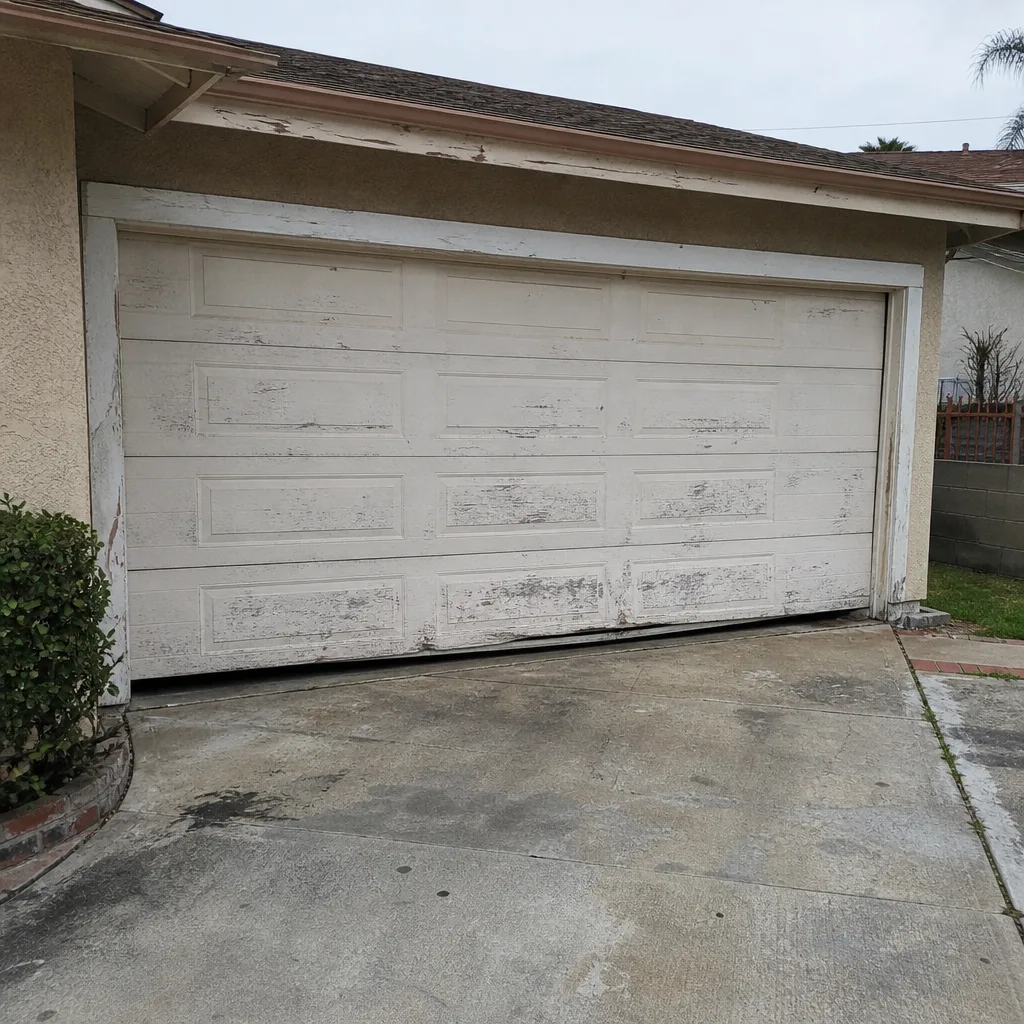
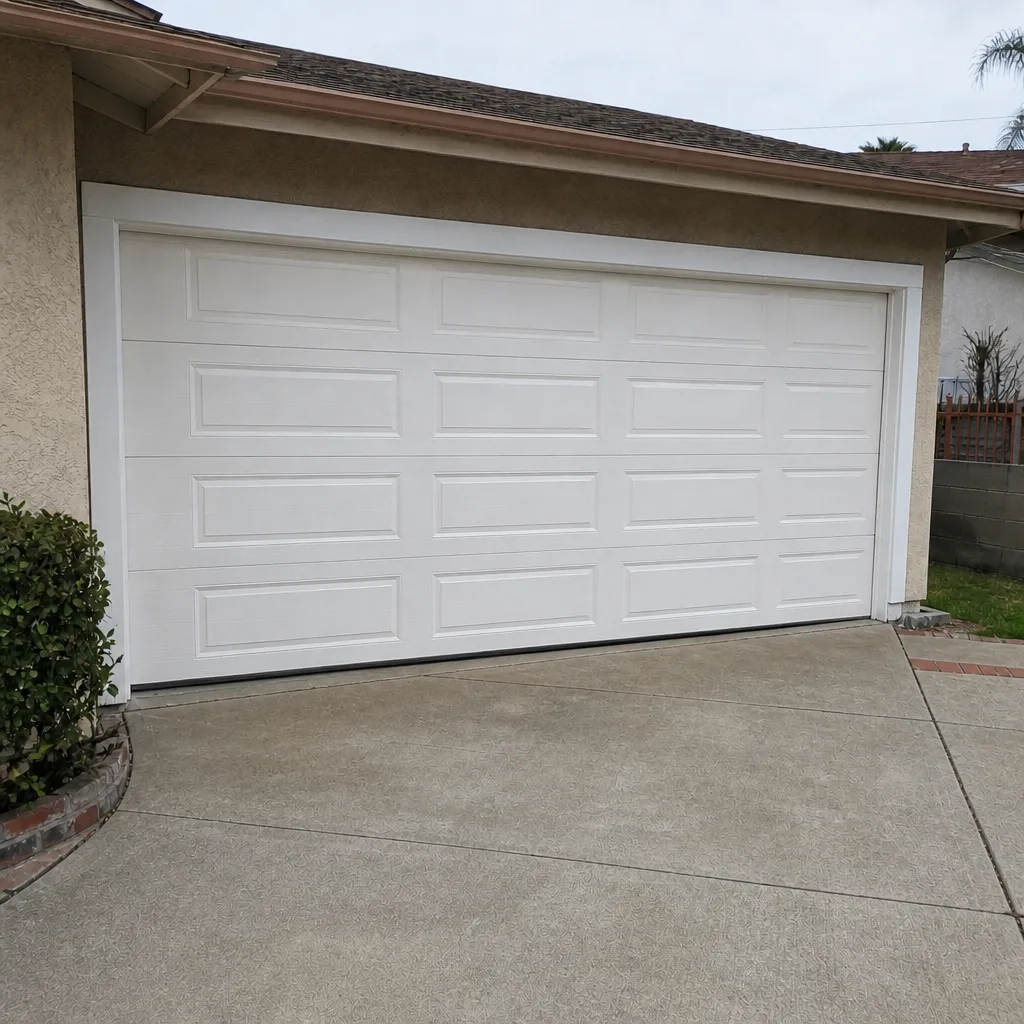
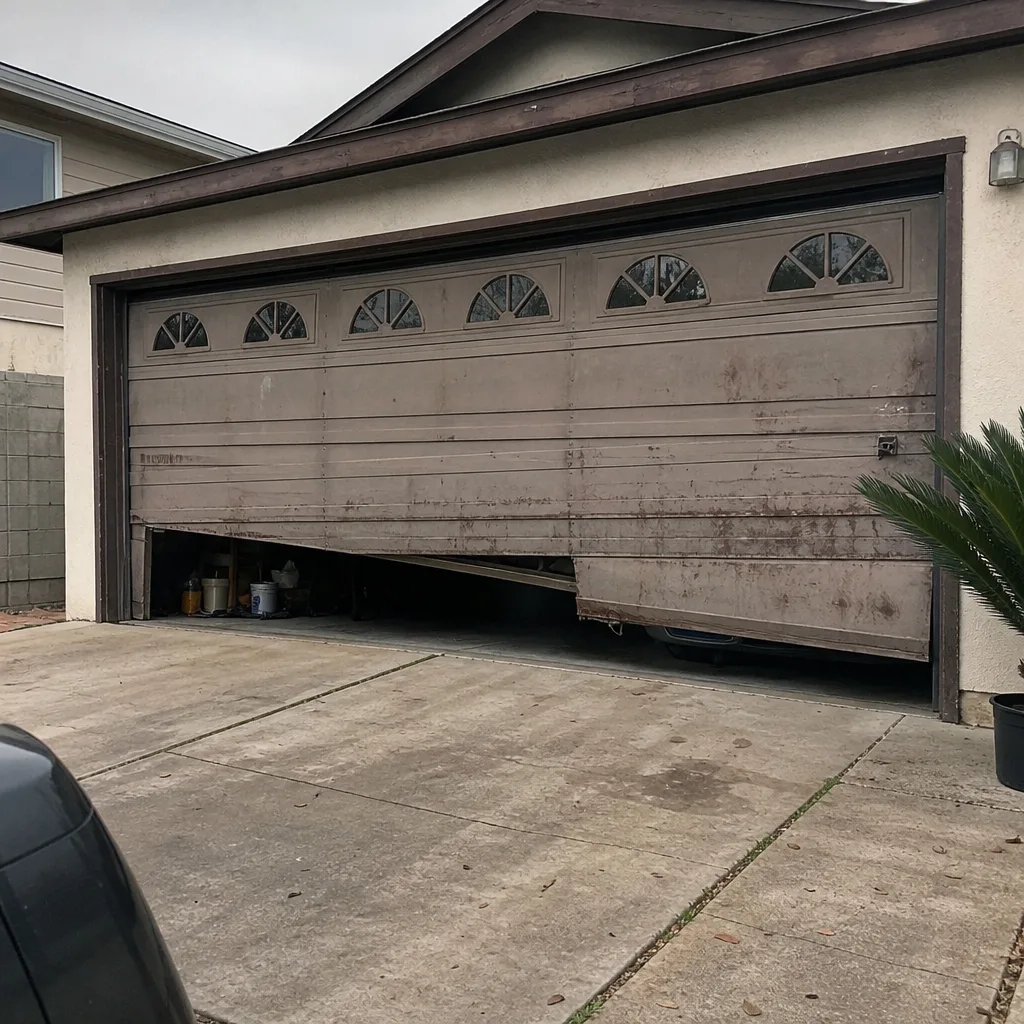
See the difference
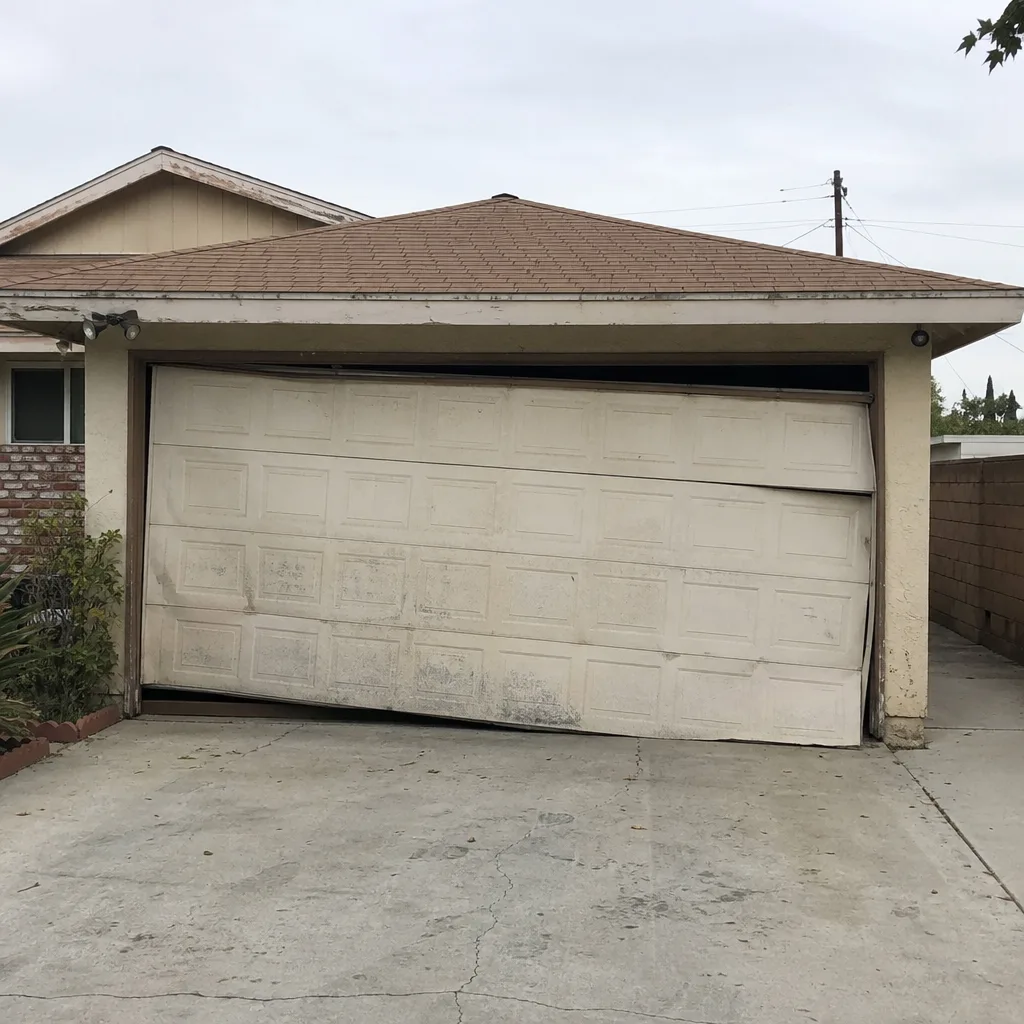 Before
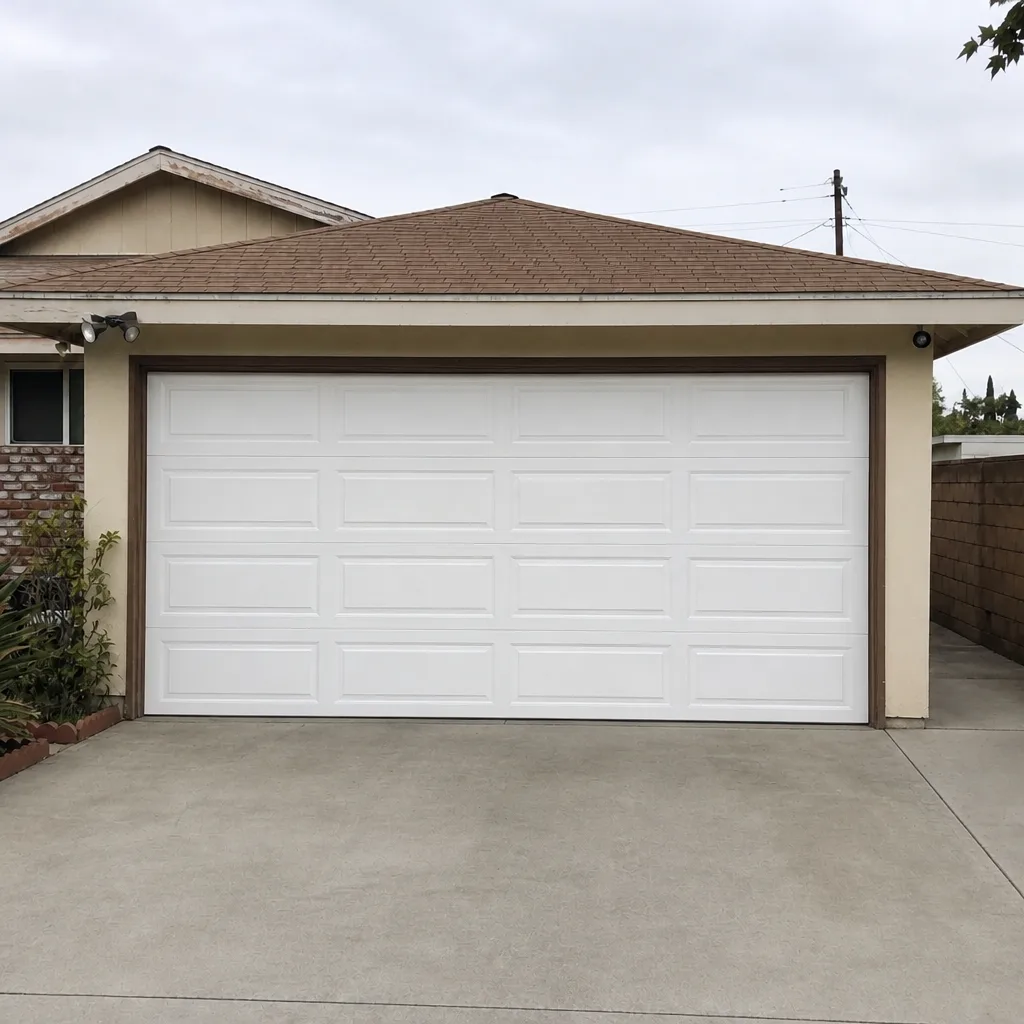 After
 Before
 After
 Before
 After
When to Call a Professional
Call a technician the moment you hear a pop, see a frayed cable, or notice the door sagging on one side. These are tension-related failures, and the stored energy in the system makes them unsafe to handle without proper equipment and training. A door that’s come off the track entirely should also be left alone; forcing it back onto the track with the cables unwound can cause further damage. If the opener’s behavior defies explanation after the basic checks, or if the same problem has returned for the third time, stop troubleshooting and get a real diagnosis. You’re not failing by calling; you’re preventing a bigger failure from arriving unannounced. Garage door repair is what we do every day in Garden Grove, and the estimate is free. Call Raven Garage Door Repair at (866) 616-5011. We answer 24/7. Fast dispatch from 7am to 7pm, Sunday through Friday.
Frequently Asked Questions
The reversing behavior is your opener’s safety system responding to either an obstructed sensor beam or resistance in the door’s travel. Clean the sensor lenses and confirm the LED is solid, then check whether the door itself is crooked or binding. If the reversal happens at the same point every time, the track or cables are the likely cause, not the sensors.
Costs vary by the component. A sensor realignment or limit adjustment might be a service call and under an hour of labor. A spring replacement for one spring typically falls in the $180 to $340 range, and a matched pair is usually replaced together, which roughly doubles that. A full opener gear repair lands higher because parts are involved. The price is set per job by the written estimate before any work starts. Call (866) 616-5011 for an exact quote; estimates are free.
A sudden increase in noise usually means a component has failed or shifted: a roller bearing seized, a spring broke, or a track moved out of alignment. Match the sound to the source. A pop is a spring. A scrape is the track. A thump is a roller. The faster you identify it, the less damage it does to everything around it.
We service residential garage door and opener systems from the major brands, including LiftMaster, Chamberlain, Genie, Wayne Dalton, Craftsman, and Raynor. That multi-brand coverage matters when a Chamberlain opener is mounted on a Wayne Dalton door, or a Genie unit drives a Raynor assembly. You don’t need to track down separate specialists for the door and the opener.
We answer 24/7. Fast dispatch from 7am to 7pm, Sunday through Friday. If you call on a Saturday, we’re closed, but your call is booked into the next opening. Same-day service is available when you call before the late afternoon, and we carry the most common spring sizes and gear kits on hand.
No. The price we quote is the price you approve before any work begins. If the diagnosis reveals a second issue that wasn’t visible on the initial look, we’ll show you what we found and requote before touching it. You never get a surprise invoice from us. Call (866) 616-5011 for a free estimate.
The Bottom Line
Most garage door problems in Garden Grove aren’t mysteries; they’re specific failures with specific signatures. A reversing door has a cause you can find. A dead opener has an order of checks that costs you nothing to run. A loud pop has exactly one meaning. The skill is in matching the symptom to the component, not guessing or part-swapping your way through it. Some fixes are yours to make in ten minutes. Others carry real risk if you touch them. Know the difference, and when you’re past it, make the call. One call, full fix is how we work at Raven Garage Door Repair, and it’s why we keep the diagnostics sharp and the estimate free.
Written by the team at Raven Garage Door Repair, serving Garden Grove.